Ukrainian Drones Reportedly Reach Omsk 2,500 Kilometers Away as Airport Closes
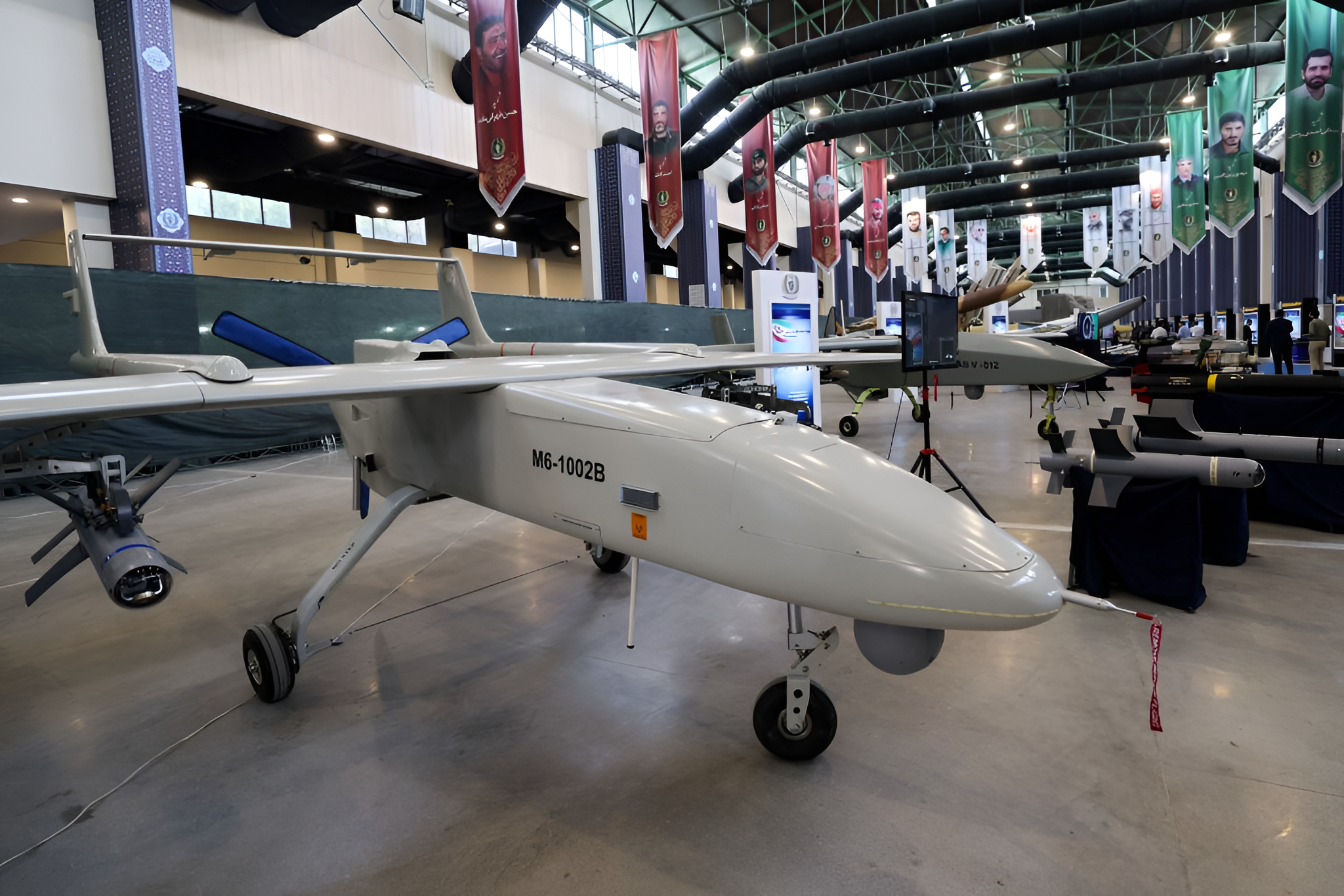
A reported Ukrainian drone attack reached Russia’s Omsk region on October 8, roughly 2,500 kilometers from the Ukrainian border, while local authorities closed Omsk Airport and restricted mobile internet access. The exceptional reported distance is significant, but the immediate documented consequence was disruption to aviation and communications not confirmed damage to the nearby Omsk Oil Refinery.
Omsk Regional Governor Vitaly Khotsenko attributed the attack to Ukrainian drones. Residents reported explosions and smoke near the refinery, including one unidentified eyewitness who said, There was smoke coming from the pipes. We heard two explosions. Those observations do not establish that refinery equipment was hit, operations stopped or fuel output declined. Authorities did not specify how long the airport closure and internet restrictions lasted or how many flights were affected.
Airport disruption is the confirmed operational effect
Closing an airport is consequential even when no aircraft damage is reported. An airport restriction separates arriving and departing flights from their planned operating window, creating possible delays, diversions and scheduling work for airlines, controllers and ground operators. None of those secondary effects has been quantified for Omsk, so the closure itself is the firm boundary of what can be concluded.
The mobile internet restriction adds another layer of civil disruption. Russian authorities have routinely limited mobile connectivity during drone incidents, describing the measures as security precautions. However, such restrictions can also interfere with app-based alerts, government websites and messaging services. That creates a readiness tradeoff: a measure intended to constrain one communications channel may also reduce residents’ access to timely information unless resilient alternatives such as text messages, radio, television or sirens remain available.
From an airspace-integration perspective, the Omsk incident demonstrates how an unmanned-aircraft threat can affect civilian systems without a confirmed impact on its apparent industrial focus. Airport closures and communications controls can impose operational costs simply because authorities must manage uncertainty across a wide area. The reported 2,500-kilometer distance also expands the geography in which airport operators, communications providers and emergency agencies may have to prepare for temporary restrictions.
Refinery scale raises the stakes, but not the certainty
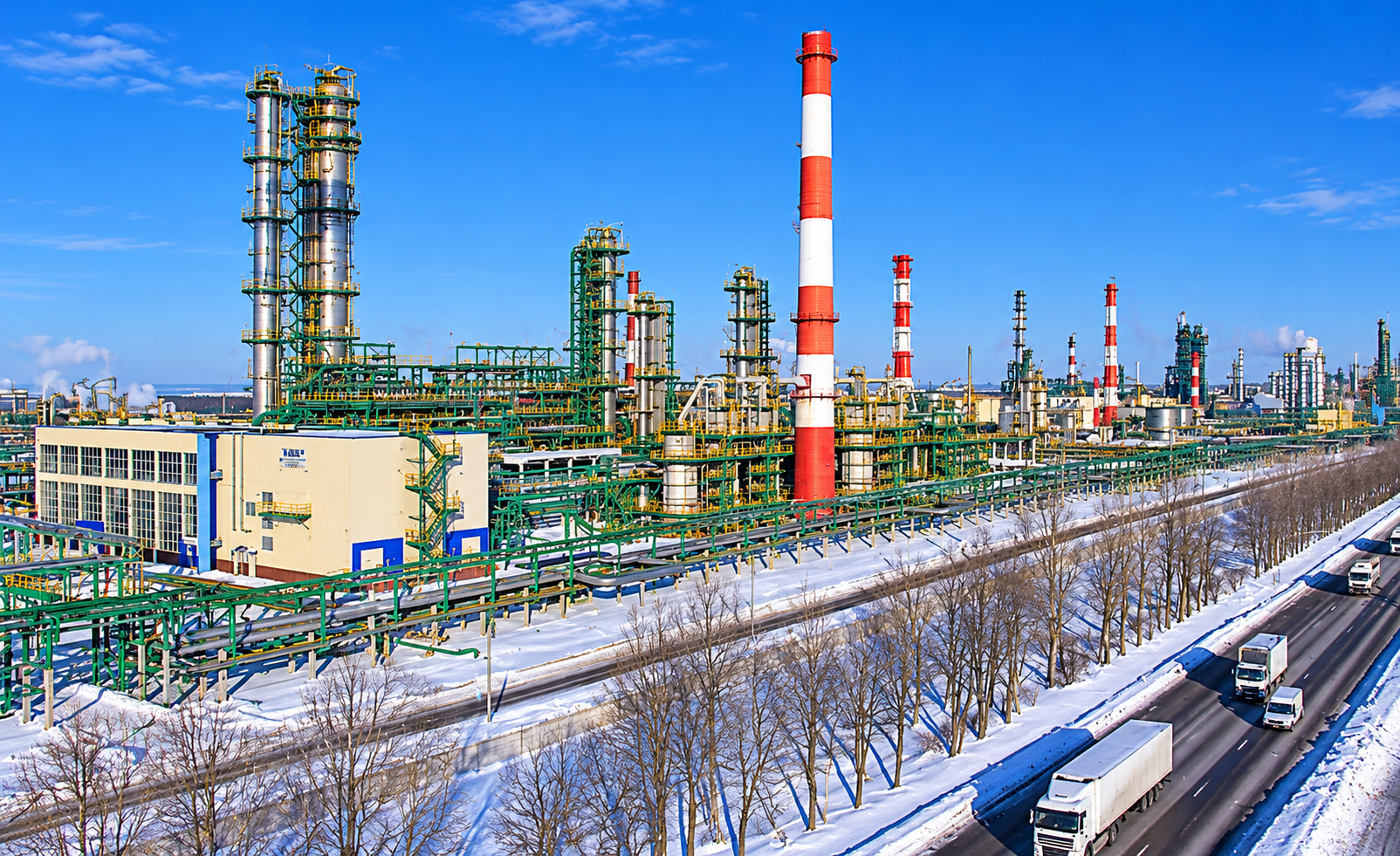
The Omsk Oil Refinery matters because of its industrial scale. Owned by Gazprom Neft, it can process as much as 22 million metric tons of oil annually and is described as Russia’s largest refinery. Its website says the plant produces “one in every six liters of Russian gasoline” as well as fifth-class environmental-standard diesel fuel.
That capacity makes any verified shutdown potentially important to fuel supply. It does not, however, turn nearby explosions into proof of lost production. Establishing an industrial consequence would require confirmation of damaged processing equipment, a shutdown, reduced throughput or another measurable operating change. None was confirmed for the October 8 incident.
The distinction is especially important because Omsk has a documented history of damage. A July 6 drone strike damaged primary crude-oil processing units and forced an operational suspension. That earlier result cannot be carried forward as evidence about the October event; it only shows why fresh confirmation of plant status matters.
A strained refining system magnifies any future confirmed loss
The wider operating environment makes the uncertainty consequential. A September International Energy Agency analysis said Russian refinery throughput fell to 3.8 million barrels per day in June, its lowest level in more than 20 years and about 30% below the previous year. It also reported gasoline output down 20% from 2025 levels and estimated diesel production had fallen nearly 30%.
Those national figures do not prove that the latest Omsk incident worsened the decline. They do explain why verified damage at a refinery of this size would carry more weight than an isolated plant interruption under normal conditions. When a processing network is already managing repairs and lower throughput, the loss of another large facility can leave less flexibility to redistribute work.
The October 8 reports therefore establish two different facts with two different confidence levels. Drones were reported over a region about 2,500 kilometers from Ukraine, and Omsk Airport closed while mobile internet was restricted. Whether Russia’s largest refinery suffered another production loss remains unresolved and confirmation of its operating status is the next fact needed to determine whether this was primarily a far-reaching disruption or a new blow to fuel capacity.
| More aerospace and engineering stories, right in your MSN feed. Follow AMI on MSN |
By Stephen Wallace — Editor for AMI’s aerospace integration and unmanned mobility coverage, focused on drone manufacturing, VTOL systems, autonomous networks, and air-ground mobility links.