Ukrainian Drone Strikes Reportedly Leave Occupied Kherson Powerless Over 24 Hours
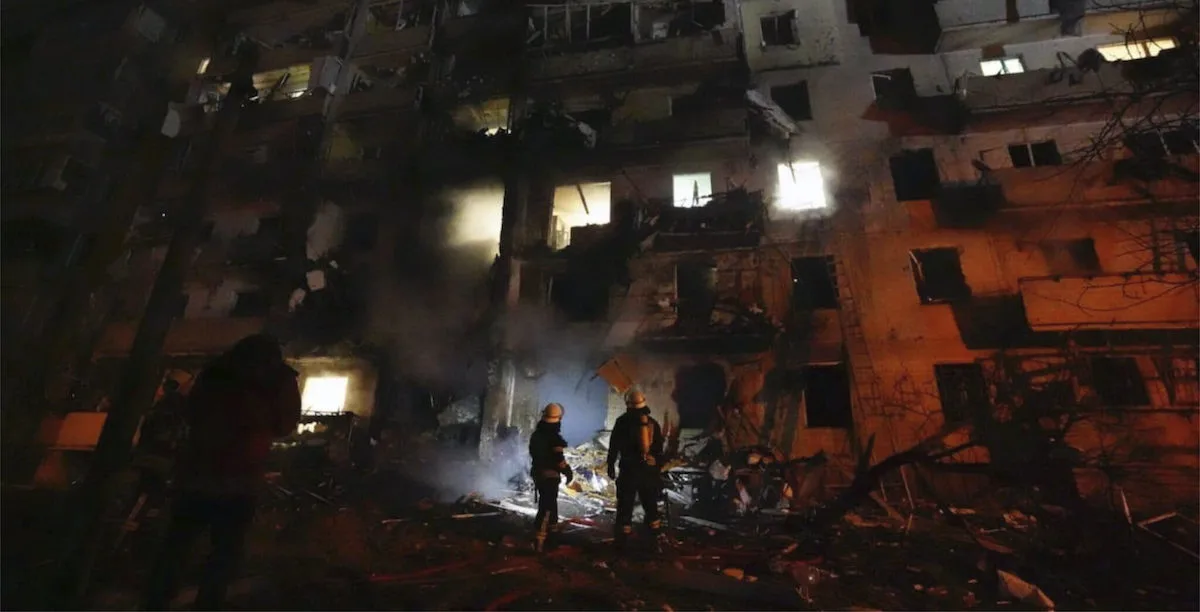
The occupied part of Ukraine’s Kherson Oblast remained without electricity for more than 24 hours after Ukrainian drone strikes reportedly damaged power-substation equipment. Volodymyr Saldo, the Russian-installed regional head, described the blackout on August 28, 2026, as large-scale and declined to estimate when service would return.

Ukraine’s Unmanned Systems Forces identified the strikes as part of an operation called Crimean Switch Off. Its commander, Robert “Magyar” Brovdi, claimed the command struck 21 energy facilities and the Luhansk power plant between August 26 and 28. He also claimed attacks on 315 energy facilities in Crimea and other occupied territories since July 1. Those totals come from a conflict participant and have not been independently verified.
The outage followed wider power cuts during the night of August 27-28 in occupied portions of Donetsk, Luhansk, Zaporizhzhia and Kherson oblasts. Those disruptions followed a reported drone attack on the Luhansk Thermal Power Plant in Shchastia. Available information does not establish the full extent of the damage, the amount of electrical capacity affected or whether every outage had the same immediate cause.
Why substation damage can delay restoration
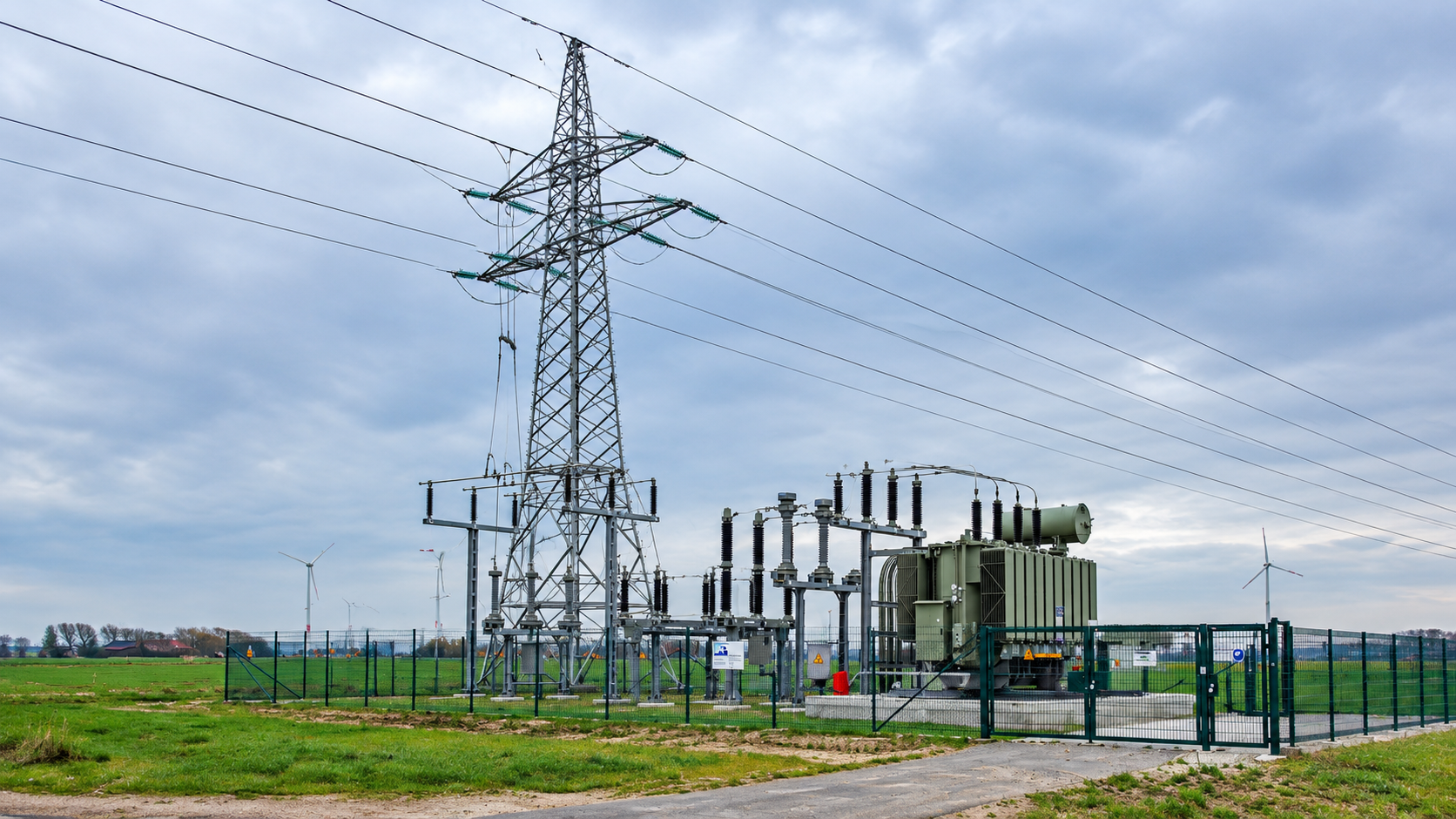
A substation is more than a passive junction in the grid. It contains equipment used to transform voltage, route power, isolate faults and protect connected lines and machinery. Damage can therefore interrupt service even when generating plants elsewhere remain capable of producing electricity.
The specific Kherson components reportedly damaged have not been identified. That missing detail matters because restoration time depends heavily on what failed. Some interruptions can be addressed by isolating damaged sections and redirecting available power, while physical equipment damage can require inspection, replacement, testing and controlled re-energization. It would be premature to infer which of those conditions applies in Kherson.
A regional outage lasting beyond a day nevertheless indicates that restoring service was not immediate. Grid operators generally must determine what equipment remains safe, establish which connections are available and return sections without creating further instability. The absence of a restoration estimate may reflect incomplete damage information, uncertain repair conditions or both, but no specific explanation has been confirmed.
The human consequence extends beyond household lighting. Electricity supports communications, water systems, refrigeration, heating and cooling equipment, commercial activity and other public services. The available accounts do not quantify those secondary effects in Kherson, so they should not be presented as documented outcomes. They illustrate why the duration of an outage can matter as much as the initial loss of power.
Scale claims exceed the verified damage picture
The operation’s publicly claimed scale presents a sharp information gap. Brovdi’s figures suggest a broad campaign against energy infrastructure, but they do not independently establish how many drones reached their intended areas, how much equipment was damaged or how long each disruption lasted. Counting claimed attacks is not the same as measuring electrical capacity lost or restoration work required.
That distinction is especially important for unmanned-system assessment. A large strike count can indicate sustained organizational activity, yet it cannot by itself demonstrate manufacturing output, mission effectiveness or repeatable infrastructure effects. Those judgments would require independently confirmed launch data, damage assessments and operating results that are not available here.
The event also places high-level pressure on air-defense and infrastructure-readiness systems. Repeated unmanned activity can require authorities to divide attention among detection, interception, grid monitoring and repair preparation across a wide area. But the available information does not document interception rates, defensive deployments or readiness levels, preventing a reliable assessment of how the drones reached the reported substations or how defenses performed.
What can be stated is narrower but consequential: occupied Kherson experienced a region-wide electricity outage that continued for more than a day, and the Russian-installed administration attributed it to drone damage at substations. The decisive next facts will be a confirmed restoration time, identification of the equipment requiring repair and independent verification of the much larger strike totals claimed by Ukraine’s Unmanned Systems Forces.
| More aerospace and engineering stories, right in your MSN feed. Follow AMI on MSN |
By Stephen Wallace — Editor for AMI’s aerospace integration and unmanned mobility coverage, focused on drone manufacturing, VTOL systems, autonomous networks, and air-ground mobility links.