Officials Say Ukrainian Drone Attack Near St. Petersburg Cut Power to 20,000
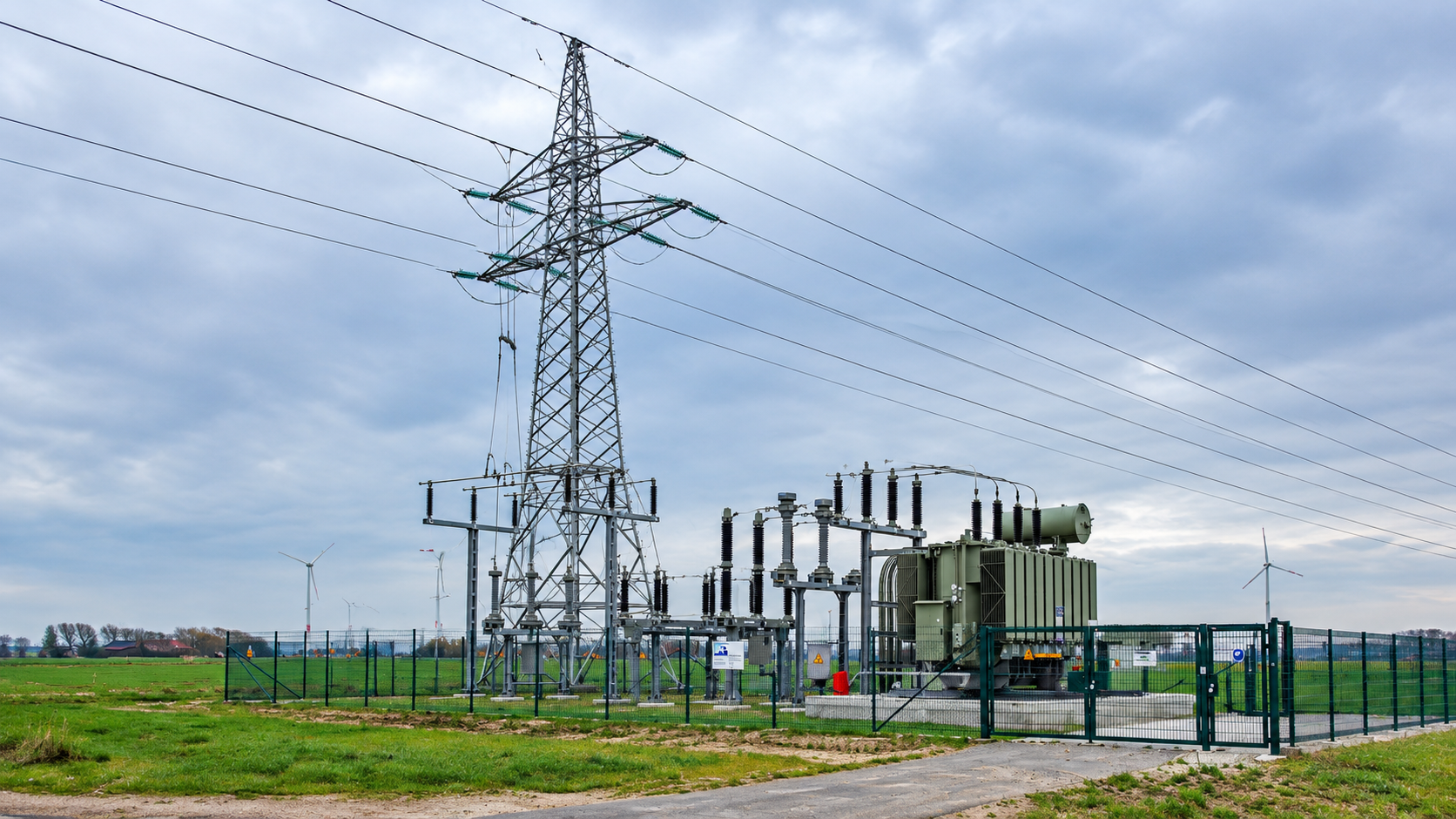
A reported Ukrainian drone attack around St. Petersburg on October 18 moved quickly from industrial fires to a civilian electricity outage. Leningrad region Gov. Alexander Drozdenko said two substations were struck, leaving about 50 apartment buildings and roughly 20,000 residents without power Sunday morning. Specialists began emergency work while the substations remained offline, according to reporting on the regional response.

St. Petersburg Gov. Alexander Beglov separately reported fires at an oil terminal, an oil depot and industrial warehouses. Local officials also reported deaths, injuries and damage to homes, although accounts differed on the casualty total. Russian media characterized the operation as one of the year’s largest drone attacks. A claim that more than 1,000 drones were involved has not been substantiated, while Drozdenko said 144 drones were intercepted over the Leningrad region.
The outage is the clearest measure of the attack’s effect beyond the damaged industrial sites. A substation is a junction where voltage is transformed and electrical flows are routed through the network. When such equipment is damaged or taken offline as a precaution, the consequence can extend well beyond the installation itself because numerous buildings may depend on the same node.
Restoration involves more than repairing visible damage
Grid restoration begins with determining which equipment can be operated safely, isolating damaged sections and finding available routes for supplying affected customers. The reported outage does not establish how badly the two substations were damaged or how much redundancy was available around them. Those unknowns govern whether service can be restored through switching operations or must wait for physical repairs and replacement equipment.
Duration is therefore as important as the initial number of customers affected. Reliability engineers track both how often customers lose service and how long interruptions last. A short outage resolved through network reconfiguration presents a different restoration burden from one requiring transformer, switchgear or control-system work, even when the initial customer count is identical.
The wider risk comes from interdependence. The United Nations Office for Disaster Risk Reduction notes that electricity failures can cascade into communications, healthcare, water supply, transportation and emergency response. Apartment buildings add their own dependencies: elevators, pumps, heating controls and communications can all require electricity even when the building itself has suffered no physical damage.
Experience in Ukraine illustrates how those secondary effects can accumulate. UN human-rights monitors have documented disruptions to water, sanitation, heating, healthcare, education and business after attacks on electricity infrastructure. The St. Petersburg-area interruption was smaller than the widespread outages described in that assessment, but it reflects the same systems problem: damage at an energy node reaches civilians through services that depend on continuous power.
Drone scale pressures several response systems at once
The event also imposed costs outside the electrical network. Flights at Pulkovo Airport were suspended for more than seven hours before Russia’s aviation authority lifted restrictions. Industrial firefighting, grid repair, residential response and airport management therefore had to proceed during the same broad incident.
That overlap is a readiness problem even without a verified total for the attacking force. Authorities must detect and respond to airborne threats while keeping emergency crews, utility specialists and transportation managers working safely. A large claimed interception count can indicate extensive defensive activity, but it does not by itself reveal how many aircraft were launched, how many reached intended destinations or how effective either side’s systems were.
Nor can one operation establish Ukraine’s sustained drone-manufacturing capacity. Production strength depends on repeatable output, components, quality control and the ability to field systems over time. The confirmed public consequence here is narrower: enough aerial activity reached or affected the region to coincide with fires, a prolonged airport suspension and an outage covering about 20,000 residents.
The International Energy Agency defines short-term resilience as the ability to cope with events beyond normal planning conditions and recover rapidly. For electricity operators, that means redundancy, replacement equipment, trained crews, communications and plans for keeping essential services running while damaged sections are isolated. Around St. Petersburg, the most consequential test was no longer confined to stopping drones in the air. It became the work of safely returning two substations and electricity for tens of thousands of people to service.
| More aerospace and engineering stories, right in your MSN feed. Follow AMI on MSN |
By Stephen Wallace — Editor for AMI’s aerospace integration and unmanned mobility coverage, focused on drone manufacturing, VTOL systems, autonomous networks, and air-ground mobility links.