Ukraine Says Starlink Fails Above 100 MPH, Slowing Drone Interceptors
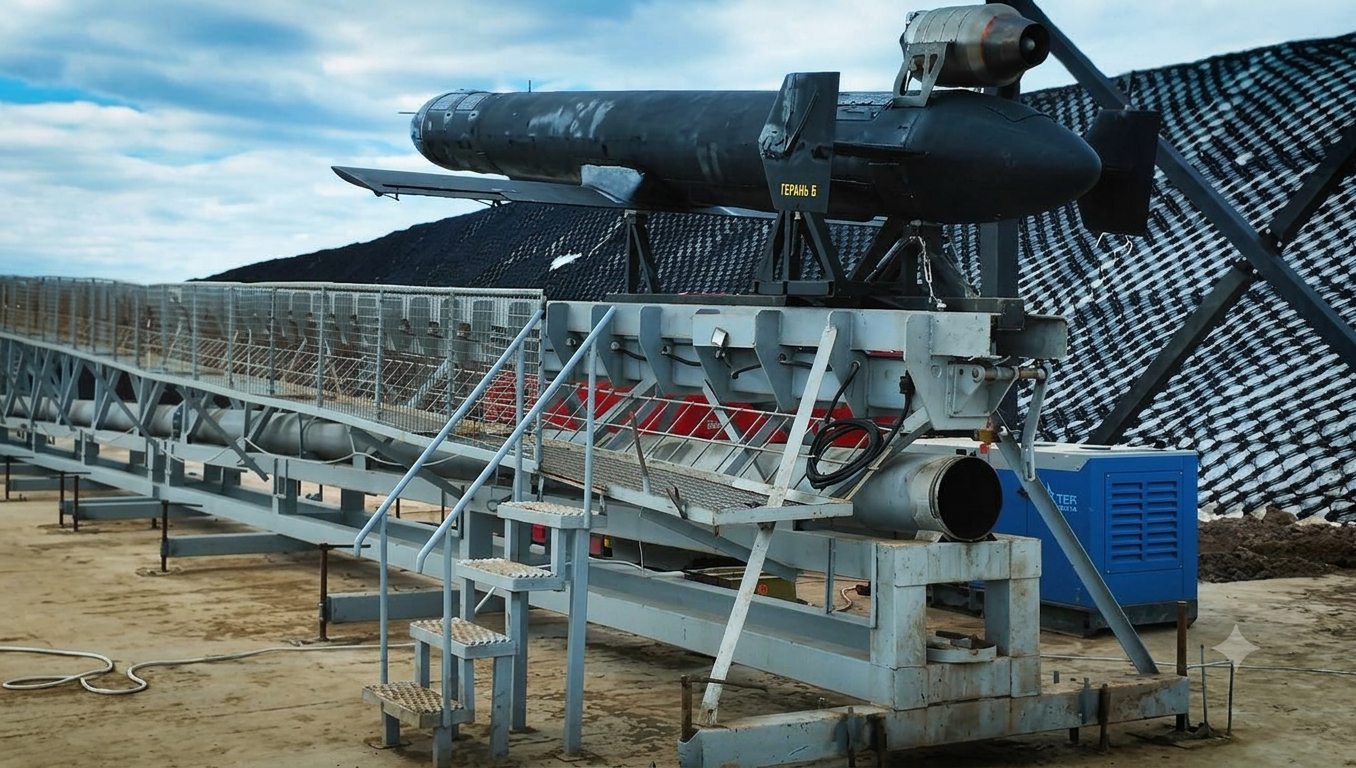
A drone can have enough physical speed to catch its target and still be stopped by a slower communications link. Ukraine says Starlink-connected interceptor drones began losing service above roughly 100 mph, preventing them from keeping pace with jet-powered Shahed attack drones reportedly capable of about 230 mph.
The disruption began overnight from Oct. 13 to Oct. 14. Ukrainian President Volodymyr Zelensky said the link shut down after a terminal exceeded 161 km/h, or 100 mph: “The maximum speed today is 161 km/h; after exceeding it, Starlink shuts down, and we lose the drone.” Ukraine’s Defense Ministry later reported partial stabilization below approximately 160 km/h, but Zelensky said the upper limit remained.
The restriction illustrates a critical dependency in unmanned-aircraft design: usable performance is set by the weakest required subsystem, not merely the vehicle’s propulsion or aerodynamic limit. An interceptor capable of flying faster than 100 mph gains little from that speed if crossing the threshold interrupts the command-and-control service needed to continue its mission.
Ukraine’s 7th Rapid Response Corps reported connection losses lasting 10 to 20 seconds at lower speeds of 110 to 120 km/h. Activist Serhii Sternenko, citing military accounts, said some interruptions appeared at 60 to 70 km/h. Those reports suggest that the observed boundary was not perfectly uniform across all users, terminals or operating conditions.
That variation is important for reliability engineering. A published limit is one issue; intermittent degradation below it creates a less predictable operating envelope. An autonomous or remotely operated aircraft needs communications behavior that can be characterized, tested and incorporated into mission planning. If service availability changes without warning or differs among terminals, operators cannot treat maximum aircraft speed as dependable system performance.
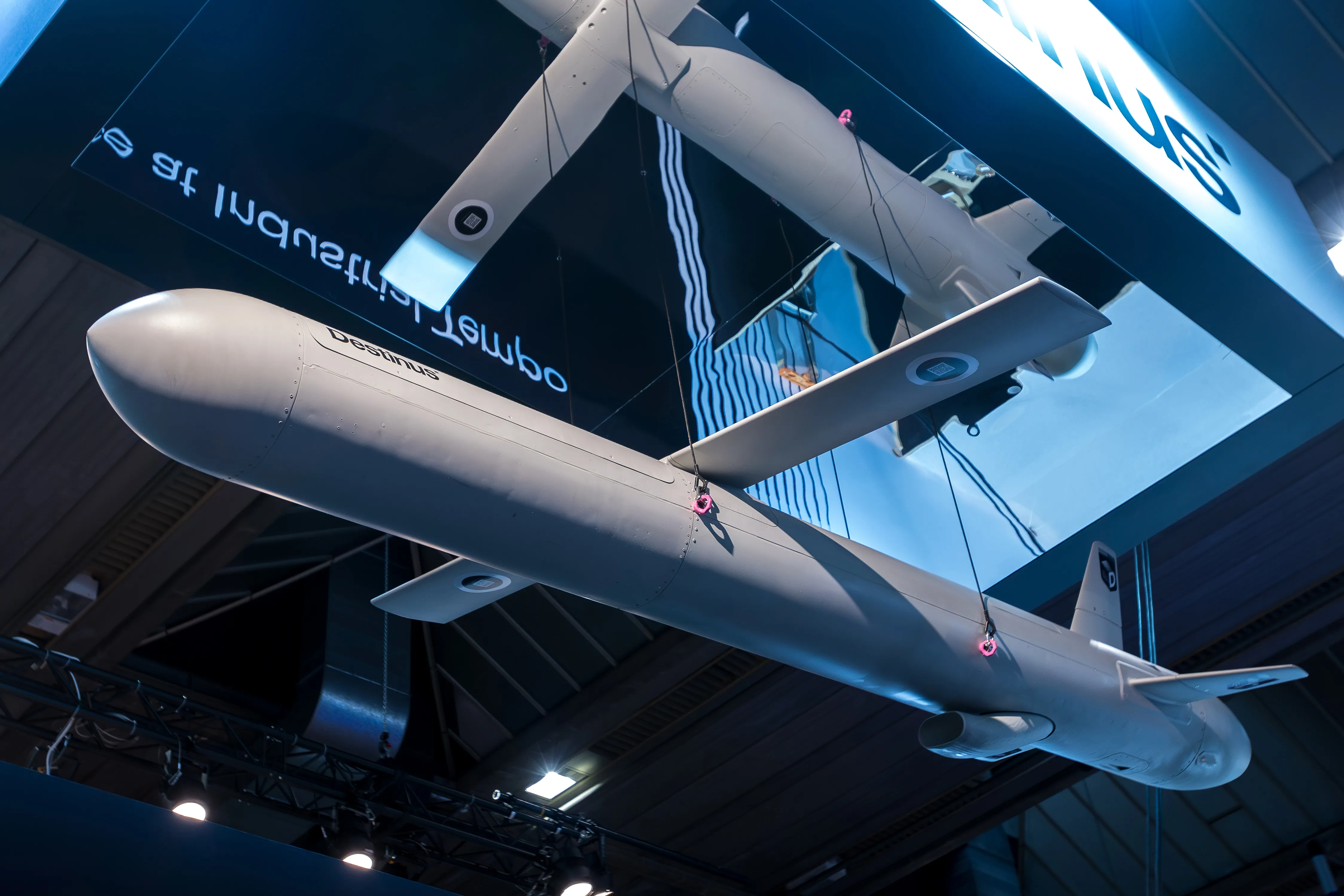
Ukraine uses domestically produced interceptors against Shahed drones, including a jet-powered version known in Russia as the Geran-3. That aircraft can reportedly reach 370 km/h, or approximately 230 mph. Ukrainian sources said satellite terminals would need to function at no less than 450 km/h to support interception of such fast targets. The requirement therefore extends well beyond restoring connectivity at the reported 160 km/h boundary.
Zelensky also described a geographic difference. He said Ukrainian specialists tested terminals at 180 km/h inside the European Union without losing service, while the restriction operated in Ukraine. If consistently reproduced, that contrast would point toward a service-policy or geographic control rather than an unavoidable terminal-speed limitation. High-speed satellite access has genuine engineering challenges, including mobility management and Doppler effects, but the reported cross-border difference makes configuration and authorization central questions.
Who controlled that setting remains disputed. Serhii Beskrestnov, a defense-technology adviser to Ukraine’s president, attributed it to Starshield, SpaceX’s government and defense service. Secretary of State Marco Rubio said Ukraine did not currently have Starshield access and that a request remained under discussion, leaving even the identity of the affected service unsettled in public accounts.
Elon Musk said Starshield systems are owned and controlled by the U.S. government and that speed or usage limits are decided by the U.S. military and ultimately the president. However, Rubio said “no one at the White House ordered anyone to slow down internet or slow down speed so that certain drones couldn’t use it.” President Donald Trump likewise said, “It wasn’t me, and I don’t think it was Elon.”
Reuters reported, citing two U.S. officials and one Western official, that the direction came from inside the White House, although the officials did not identify who made or implemented it. The Telegraph separately reported, citing four sources, that Musk proposed the caps and Trump approved them. Zelensky characterized the restriction as an American government decision technically implemented by SpaceX.
The immediate readiness effect has angered supporters of Ukraine, particularly because the speed cap reportedly constrained interceptors pursuing Russia’s faster jet-powered Shaheds. Sen. Thom Tillis sought clarification from Musk and called for a Pentagon inspector general investigation, while Sen. Jeanne Shaheen called for the restrictions to end.
The conflicting statements have left SpaceX followers and government overseers with the same unresolved control question: who possessed the authority to set the limit, who requested it and which organization implemented it? Until those responsibilities are documented, Ukraine faces both a communications constraint and a configuration-control problem one capable of erasing a fast interceptor’s speed advantage through a remotely managed service boundary.
| More aerospace and engineering stories, right in your MSN feed. Follow AMI on MSN |
By Stephen Wallace — Editor for AMI’s aerospace integration and unmanned mobility coverage, focused on drone manufacturing, VTOL systems, autonomous networks, and air-ground mobility links.