USS John F. Kennedy Reaches Preliminary Acceptance, but Final Work Remains
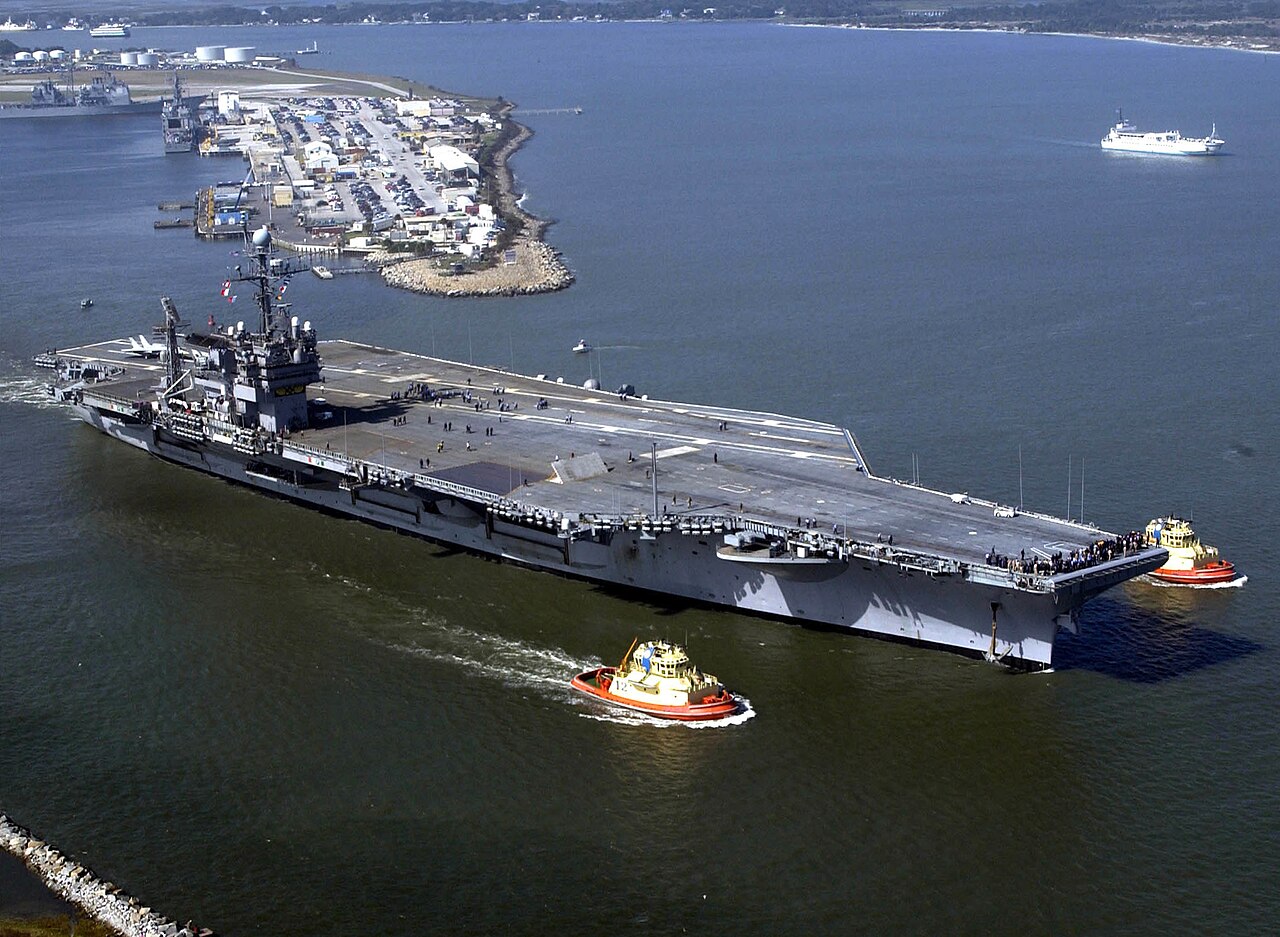
The Navy took preliminary acceptance of the future USS John F. Kennedy from Newport News Shipbuilding on September 29, 2026, following the carrier’s acceptance trials in August. The second Ford-class carrier is approximately 99% complete, and the Navy says all of its major systems are complete.
That status allows Kennedy and its crew to conduct testing at sea and build proficiency underway, but it is not formal delivery or operational readiness. Newport News Shipbuilding must continue final ship-systems testing, including work on the remaining four Advanced Weapons Elevators, before the planned formal delivery in spring 2027.
The distinction matters because preliminary acceptance divides the remaining work rather than declaring it finished. The Navy can put the ship and crew to sea for evaluation and training while the builder closes out defined test requirements. That overlap is intended to provide a faster route toward combat readiness, although delivery, commissioning and operational readiness remain separate milestones.
Kennedy has already used that new phase to reach a significant aviation benchmark. On October 13, an F-35C completed the first arrested landing by the carrier-based stealth fighter aboard a Ford-class carrier. The Navy also said Kennedy completed its first F-35C launch using the ship’s electromagnetic catapult.
Together, the recovery and launch advance aircraft-compatibility testing for a carrier designed from the outset to support deployed F-35C operations. The tests exercise the connection between the aircraft and Kennedy’s redesigned launch and recovery equipment: an electromagnetic catapult accelerates the fighter for takeoff, while Advanced Arresting Gear handles the high-energy recovery at landing.
A successful first landing and launch confirm an important test point, not the carrier’s readiness for deployment. Compatibility testing must assess how the ship’s aviation equipment works with Navy aircraft across the required test program. Crew proficiency, system completion and formal acceptance also proceed on their own tracks.
The four Advanced Weapons Elevators are another visible boundary on Kennedy’s progress. These electromagnetic platforms move munitions among lower-deck storage spaces, the hangar bay and the flight deck. They were designed to improve handling speed compared with earlier elevator systems, but their reliability became a multiyear commissioning challenge aboard the lead ship, USS Gerald R. Ford.
Seven of Kennedy’s 11 elevators had been delivered by the August acceptance trials, leaving four in testing as of September. The Navy expects experience gained on Ford to help Kennedy move through commissioning more quickly, but the remaining elevators still must complete their required testing. Describing the carrier as 99% complete therefore captures its physical maturity without erasing the importance of the final 1%: on a ship built around tightly connected aviation, weapons-handling and power systems, closeout testing carries operational weight beyond its percentage of construction.
Kennedy’s progress also arrives while the broader Ford-class schedule remains unsettled. The future USS Enterprise is now expected to be delivered in 2030. A separate study has been ordered into whether the fourth carrier in the class should revert to steam catapults and hydraulic elevators, even though steel has already been cut. Huntington Ingalls Industries has warned that changing that ship’s design at this stage would significantly delay its schedule and add substantial costs.
For Kennedy, the immediate path is clearer. Preliminary acceptance has moved the carrier out of a shipyard-dominated phase and into concurrent Navy testing, crew development and final contractor closeout. Its first F-35C recovery and electromagnetic launch show that this phase is producing measurable results. The remaining four weapons elevators and the spring 2027 formal-delivery target now define the next line Kennedy must cross.
| More aerospace and engineering stories, right in your MSN feed. Follow AMI on MSN |
By David Whitaker — Associate editor for AMI’s aerospace and drone systems desk, translating flight systems, aircraft programs, spaceflight, and UAV developments into accessible technical stories.