Ukraine Claims New Interceptor Downed Two Geran-5 Drones Over Kyiv
Former Ukrainian Defense Minister Mykhailo Fedorov says a newly developed interceptor drone destroyed two Russian Geran-5 drones over Kyiv during its first week of deployment. According to Fedorov’s account of the deployment, the interceptor went from concept to its first successful tests in one month and was fielded by Lasar’s Group, a unit within the 27th Separate Brigade of Ukraine’s National Guard.
The two claimed interceptions are meaningful initial evidence that Ukraine may be closing the speed-driven gap created by newer jet-powered drones. They are not yet proof of repeatable performance, affordable interception or production at operational scale. Those questions require a larger record: more engagements under varied conditions, disclosed unit costs, manufacturing output and evidence that detection and command systems can consistently place the interceptor where it is needed.
An interception depends on more than top speed
A fast interceptor still needs a complete engagement chain. Sensors must detect and classify the incoming aircraft, tracking data must reach a control system quickly enough, and the interceptor must launch with sufficient time and energy to meet the target. Reliability across that chain matters more than a single headline specification.
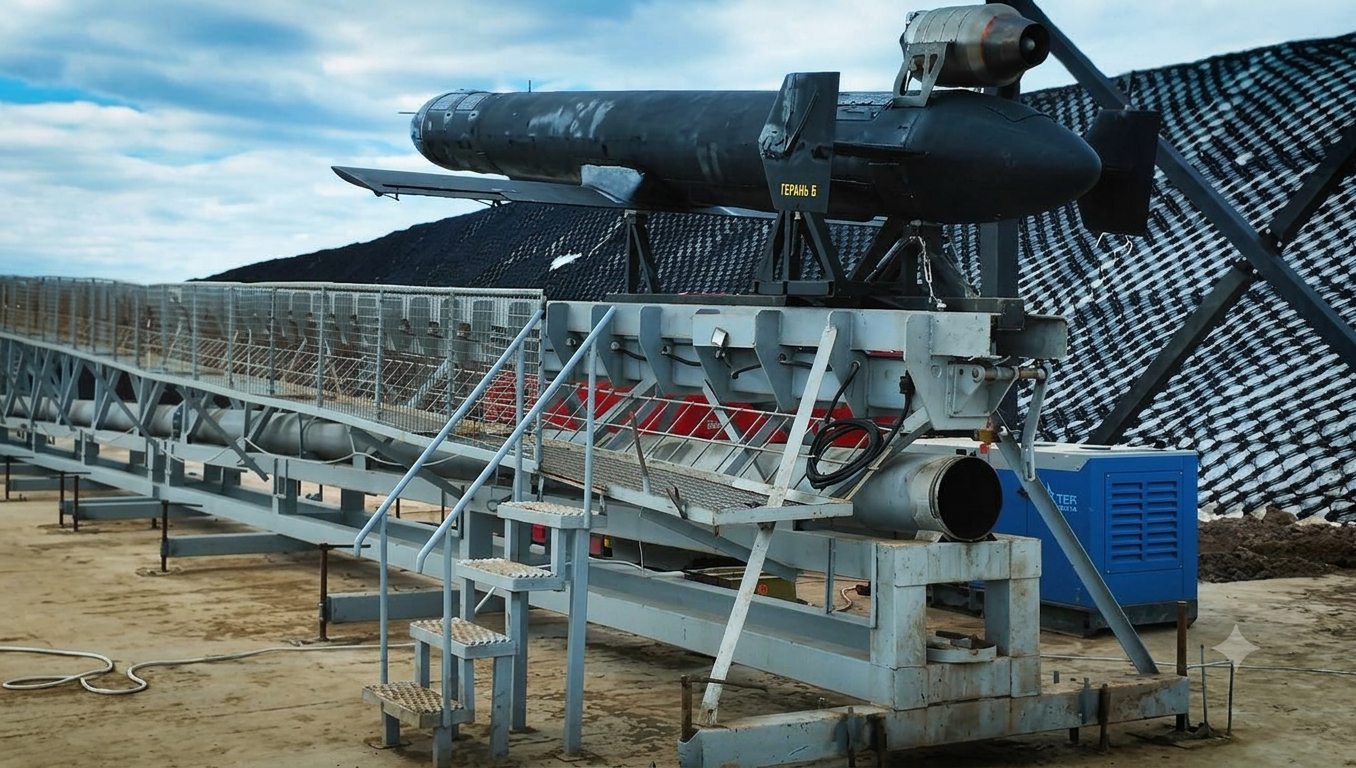
The Geran-5 reportedly reaches about 600 kilometers per hour, while Ukraine has been introducing interceptors intended to pursue this newer class of turbojet aircraft. The challenge is not simply building one drone that can fly quickly. It is manufacturing a system that can be launched repeatedly, supplied to enough units and operated alongside radar, optical sensors and other air-defense assets.
Other early results suggest Ukraine is testing several approaches rather than waiting for one universal solution. Defense Minister Yevhenii Khmara recently said one unit destroyed five aerial targets with five Bars interceptors during an operation. He said that experience was being studied for wider use, while heavy-caliber turrets, aircraft and anti-aircraft missiles also remained part of the defensive mix. That reported five-for-five result is encouraging but, like Fedorov’s two claimed Geran-5 interceptions, represents a limited sample rather than a mature fleet-wide performance rate.
Optical navigation raises the cost pressure
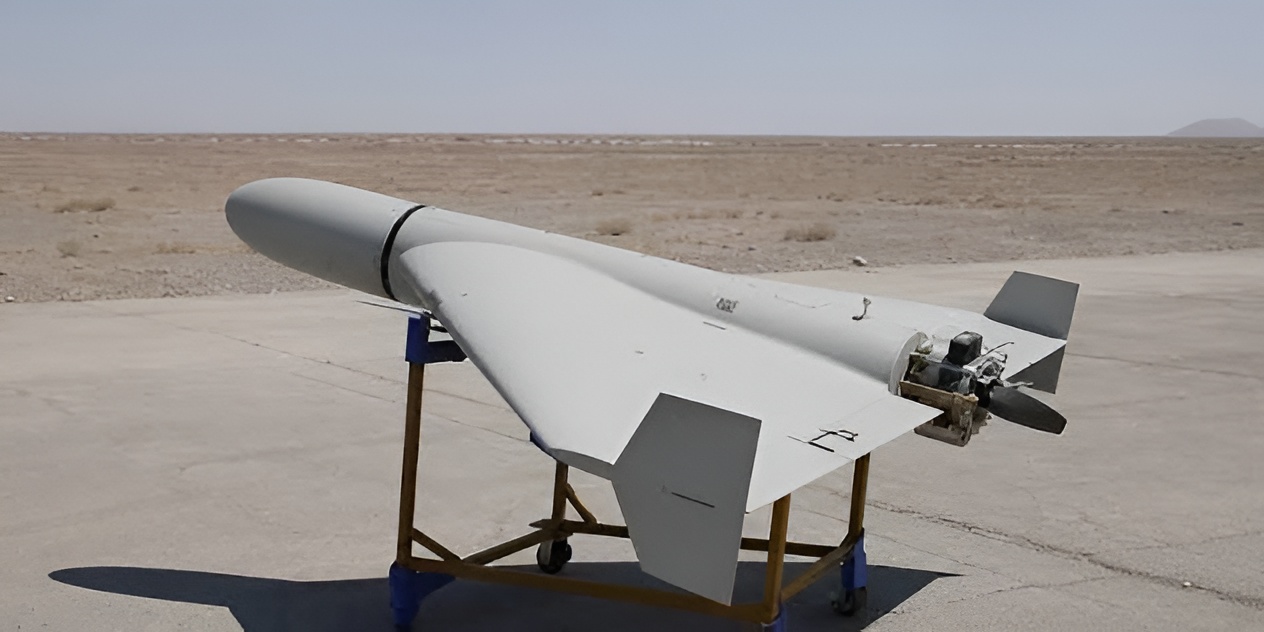
The interceptor effort is becoming more important because Ukraine’s GUR defense intelligence directorate says Russia is fitting Geran-4 and Geran-5 drones with Susanin optical-navigation modules. A downward-facing camera compares live views of the ground with terrain imagery stored onboard, allowing the aircraft to estimate its position without continuous satellite or radio signals.
That architecture can reduce the value of electronic jamming, which is one of Ukraine’s major defensive layers. If an incoming drone can continue navigating without an external radio link, defenders may have to stop it physically with another drone, gun system, aircraft or missile. The economic pressure is substantial: a Geran-5 is estimated to cost between $100,000 and $115,000, while a Russian Kh-101 cruise missile is estimated at roughly $2.4 million. Using scarce conventional air-defense missiles against lower-cost drones can therefore impose an unfavorable exchange even when the interception succeeds.
Susanin does not eliminate every navigation constraint. Kyrylo Liukov of the Serhiy Prytula Charity Foundation said the system is primarily suited to preplanned attacks against static targets rather than independently finding moving vehicles. Camera-based terrain recognition also depends on a workable relationship among altitude, speed and image quality. Clouds, rain and fog can obstruct the view, while poor visibility may prevent reliable comparison with stored terrain imagery.
Those limitations preserve a role for electronic warfare and layered defenses, but they do not remove the need for affordable physical interception. A navigation system only has to be reliable enough under suitable conditions to force defenders to maintain another protective layer.
Production is now the decisive test
Ukraine has begun clearing additional interceptor designs for procurement. The Blade interceptor, for example, has been codified for military use, but that administrative milestone does not establish that large orders or deliveries have begun. Its manufacturer reports broader production capacity across interceptor and electronic-warfare products without disclosing how much is dedicated specifically to Blade.
Fedorov’s one-month development claim illustrates how quickly a prototype can reach an initial deployment. Scaling is a different manufacturing problem involving components, quality control, operator preparation, sensor integration and sustained output. The next significant milestone will not be another isolated interception. It will be evidence that Ukraine can reproduce these results often enough and cheaply enough to counter jet-powered Gerans without exhausting its more expensive air-defense inventory.
| More aerospace and engineering stories, right in your MSN feed. Follow AMI on MSN |
By Stephen Wallace — Editor for AMI’s aerospace integration and unmanned mobility coverage, focused on drone manufacturing, VTOL systems, autonomous networks, and air-ground mobility links.