Army’s Dark Eagle Hypersonic Weapon Is Not Fully Deployed Three Years Late
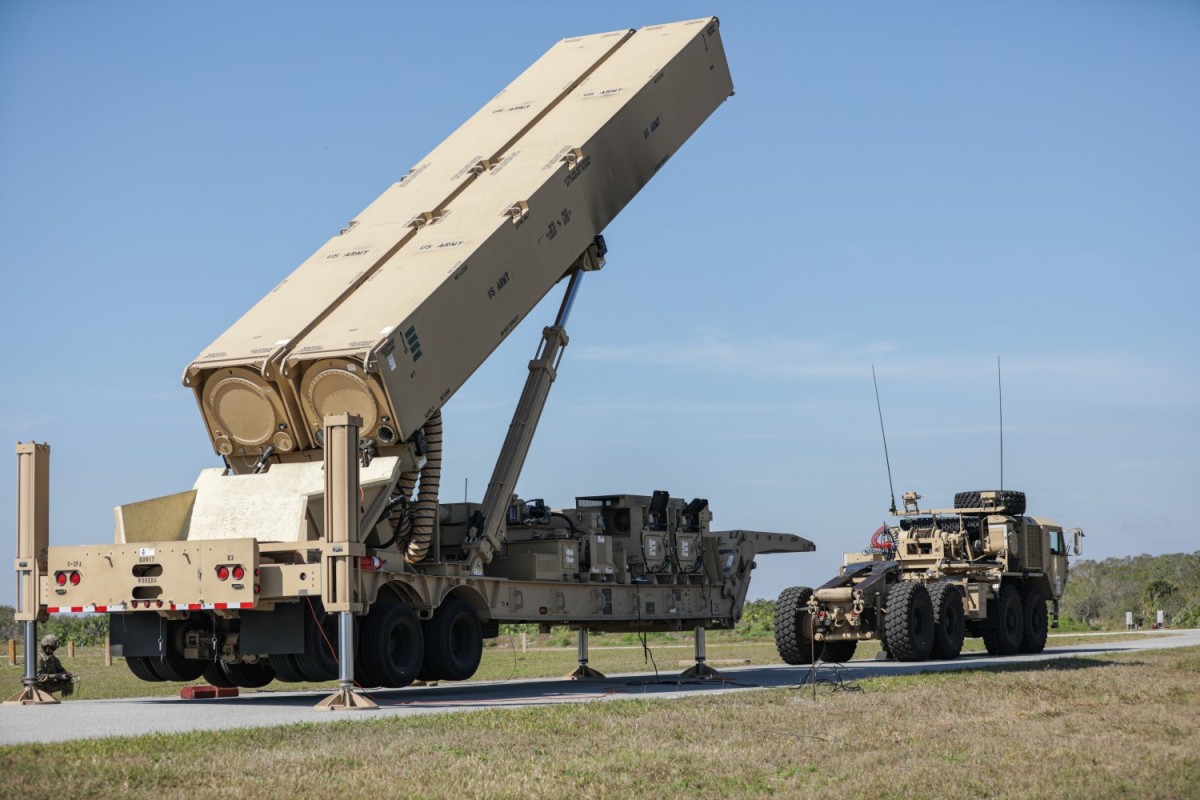
Dark Eagle is intended to become the first US hypersonic weapon, but the Army still cannot declare the long-range missile fully fielded more than three years after its planned timeline. The remaining obstacles are broader than delivering missiles and launch equipment: troops require more training, sustainment arrangements remain unfinished, and operational-readiness work must still be completed.

In an update reported October 14, 2026, the Army program office said it “continues fielding activities.” The service provided no revised completion date, leaving a prominent weapons program in the difficult space between receiving or preparing hardware and having a complete, supportable military capability.
Fielding requires more than equipment delivery
“Fully fielded” is an institutional threshold, not another term for a missile merely existing. For a new system, the Army must prepare the personnel, support structure and operating organization needed to keep it available. The program office said further training, sustainment and operational-readiness activities are required “before declaring the system fully fielded.”
Those categories define the practical gap. Training establishes whether assigned personnel can operate and support the system to Army standards. Sustainment covers the continuing structure behind the hardware, including maintenance, support and the broader ability to preserve readiness. Operational-readiness activities determine whether the complete organization has reached the required condition rather than whether one component has passed an isolated milestone.
The Army did not specify how much training remains, which readiness requirements are outstanding or whether any missiles and associated equipment are available for limited use. The confirmed status is narrower: fielding is continuing, but the service’s requirements for complete fielding have not been met.
That boundary is important because descriptions such as “fielding activities” can sound like a completed deployment to a general audience. Here, they describe work in progress. Until the Army closes the training, sustainment and readiness items it identified, Dark Eagle remains short of the service’s own complete-fielding threshold.
A delay without a new finish date
The delay now exceeds three years, according to the October update. That elapsed time supplies a clear accountability measure even though the Army has not published a new date in this update: the intended first US hypersonic weapon remains incomplete at the organizational level long after it was supposed to be fielded.
The update does not provide a spending total or a cost breakdown tied to the delay. It also does not identify a production defect, contractor failure or single technical cause for the current status. The stated remaining work concerns training, sustainment and operational readiness, so any assessment of program performance has to remain anchored to those confirmed constraints.
This also explains why hardware progress alone cannot settle the program’s status. Advanced missile performance may define what Dark Eagle is designed to do, but field capability depends on the less visible system surrounding it. Personnel qualification, maintainability and unit readiness determine whether complex equipment can be treated as a durable operational asset rather than a collection of delivered components.
The international comparison raises the pressure
The Army’s delay carries added weight because the United States is described as lagging China and Russia in hypersonic weapons. That comparison does not reveal the readiness, inventory or support condition of any specific foreign system, but it establishes the strategic context in which Dark Eagle’s unfinished fielding work is being judged.
For the Army, the next meaningful milestone is therefore not another general statement that deployment work continues. It is a declaration that the required training, sustainment structure and operational-readiness activities are complete. More than three years into the delay, the service has not said when that declaration will come.
| More aerospace and engineering stories, right in your MSN feed. Follow AMI on MSN |
By David Whitaker — Associate editor for AMI’s aerospace and drone systems desk, translating flight systems, aircraft programs, spaceflight, and UAV developments into accessible technical stories.