Ukraine’s 21 August Drone Strikes Coincided With Russia’s 20-Year Refining Low
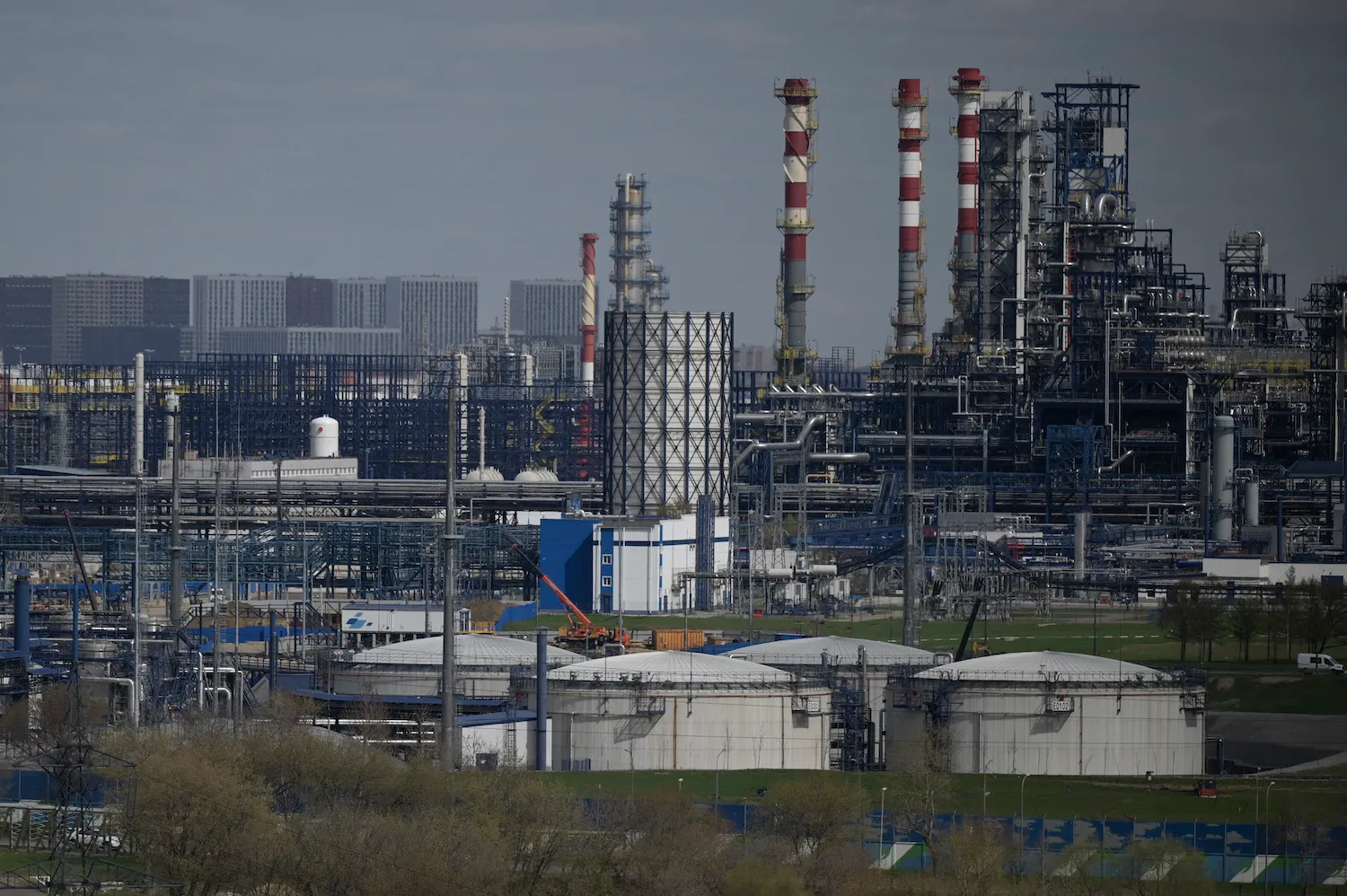
Russia’s oil-refining recovery began during a lull in drone attacks in the second half of July, then reversed when Ukraine renewed its campaign in August 2026. Public statements from both sides cited by Bloomberg indicated that Russian refineries were struck at least 21 times that month. EA Analytics estimated average throughput at about 3.8 million barrels per day Russia’s lowest refining volume in more than 20 years.
The decline carried a direct fuel-supply consequence. A source cited by Bloomberg said gasoline production and domestic supply fell almost 20% in the first three weeks of August compared with the same period in 2025, while diesel production dropped by more than 23% during the month. Lines reportedly returned to some filling stations, including in Moscow and the surrounding region. Four of Russia’s 10 largest refineries came under attack, although they were not identified.
The scale of the throughput loss is clearer against Russia’s normal summer operating level. Its refineries typically process 5.3 million to 5.5 million barrels per day during a season when vacation travel and agricultural work raise fuel demand. The August estimate was therefore 1.5 million to 1.7 million barrels per day below that range, a reduction of roughly 28% to 31%.
A refining problem is different from an oil shortage
Russia remains a major crude-oil producer, but crude cannot directly replace gasoline or diesel at filling stations. Refineries convert that feedstock into usable fuels through interconnected processing stages, so available oil production does not guarantee an equivalent supply of finished products. Sustained disruption also creates a maintenance and scheduling problem: repairs, restarts and production planning become harder when operators cannot count on uninterrupted plant availability.
Domestic supply did not fall as far as overall refining throughput because Russia redirected fuel that would otherwise have been exported and brought in additional products. Before the renewed disruption, the country supplied about 10% of the world’s diesel, according to the account cited by Bloomberg. Keeping more of that fuel at home protects priority domestic demand, but transfers the shortfall into export markets. Russia subsequently extended its diesel-export ban through the end of October, Reuters reported.
Imports and stored fuel provide further buffers, but neither restores lost processing capacity. An iSANS analysis estimated that halted exports, supplies from Belarus and seaborne imports compensated for most of the lost gasoline production, leaving an estimated domestic gasoline deficit of roughly 5% to 15% of normal demand. Availability can still vary sharply by region because inventories, transport capacity and local demand are unevenly distributed. Filling-station lines are therefore a visible sign of supply pressure, but not a direct measurement of the nationwide inventory deficit.
Repeated disruption pressures a distributed industrial system
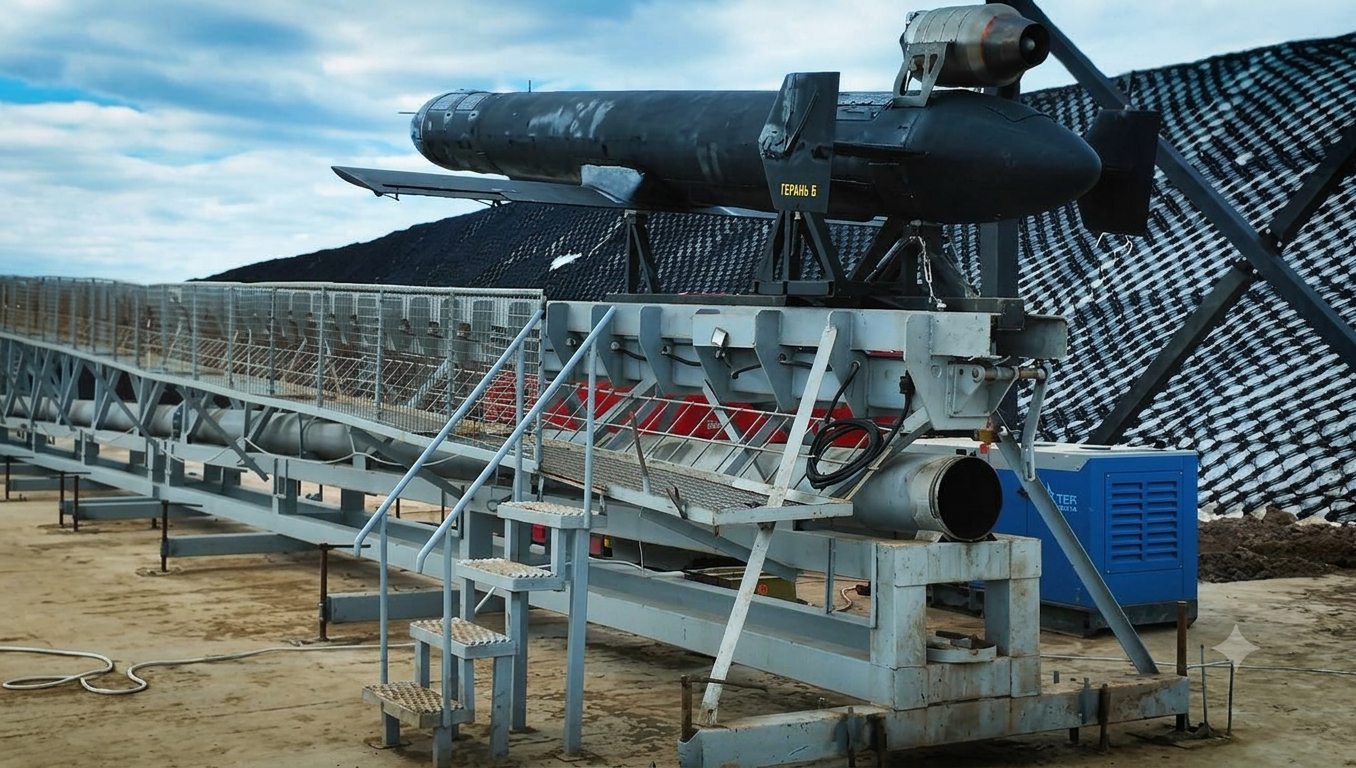
The August campaign illustrates how relatively small unmanned aircraft can impose demands on a much larger industrial and air-defense network without eliminating the network outright. Refineries are fixed, capital-intensive installations spread across a wide territory. Protecting them competes for detection, interception and personnel resources, while operators must also manage repairs and maintain fuel distribution. That is a readiness and allocation burden rather than evidence that Russia’s entire refining system has stopped functioning.
The system’s response also shows its remaining resilience. Analysts had expected throughput to recover modestly to almost 4.2 million barrels per day in September, still well below the usual summer range. Russia could prioritize domestic deliveries, restrict exports and increase imports even while refinery operations remained depressed. Those measures reduce the immediate effect on motorists, agriculture and businesses, but they come at the cost of export availability and additional logistical complexity.
September data indicate that the pressure extended beyond August. The Centre for Research on Energy and Clean Air reported that Russian oil-product loadings fell 12% from August to one of their lowest monthly levels since the full-scale invasion began, while domestic demand continued to take priority. Russia also imported 234,000 tonnes of oil products by sea during September 44% below August’s record but still the second-highest monthly total in data extending back to January 2022.
The wider diesel market felt the reduction as well. The International Energy Agency said global diesel exports in September were 700,000 barrels per day lower than a year earlier, with losses from Russia and the Middle East only partly offset by other suppliers. Russia’s July refinery rebound demonstrated that capacity could return during a pause. August showed the other side of that equation: repeated drone pressure can turn recovery into a temporary condition, forcing an oil-producing country to conserve finished fuel at home.
| More aerospace and engineering stories, right in your MSN feed. Follow AMI on MSN |
By Stephen Wallace — Editor for AMI’s aerospace integration and unmanned mobility coverage, focused on drone manufacturing, VTOL systems, autonomous networks, and air-ground mobility links.