44% of Australian Motorists Mistake Dealership Servicing as a Warranty Requirement
Forty-four percent of respondents to a 2026 national survey believed they had to use a dealership for servicing to preserve their vehicle warranties. The Australian Automotive Aftermarket Association, which commissioned the survey, estimates that the misconception represents around five million Australian car owners.

The practical consequence is straightforward: motorists may pay dealership prices, wait longer or travel farther despite generally having a legal choice of repairer. Under Australian Consumer Law, routine work by an appropriately qualified independent repairer does not automatically void a standard manufacturer warranty when the vehicle is serviced to the manufacturer’s schedule and specifications using fit-for-purpose parts.
Warranty choice comes with technical conditions
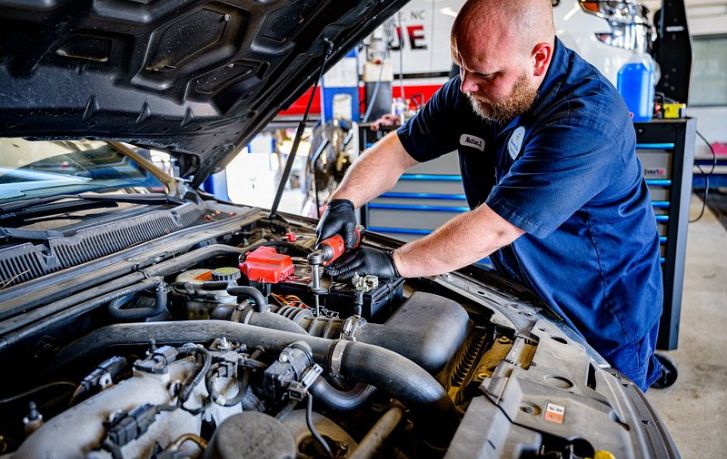
Repairer choice is not permission to disregard the maintenance requirements attached to a vehicle. The independent workshop must use qualified personnel, follow the specified service intervals and procedures, and install suitable parts and fluids. Owners also need an adequate service record showing that the required work was completed.
Parts do not generally have to carry the vehicle manufacturer’s brand. They must, however, be appropriate for the application. The association’s warranty and logbook-servicing guidance says an independent technician may sign or stamp the service record when the relevant requirements are met.
Extended or conditional warranties can complicate the picture. Some may require dealership servicing as a separate contractual condition. Such a term may affect that additional coverage without removing the statutory consumer guarantees or automatically cancelling the standard manufacturer warranty. Owners therefore need to distinguish among the manufacturer’s written warranty, an added dealer warranty and the protections supplied by consumer law.
Legal access does not guarantee workable access
The harder systems issue begins when servicing requires manufacturer-controlled information. Modern cars increasingly depend on diagnostic codes, software updates, calibration procedures and electronic service histories. A workshop may have trained technicians and suitable tools yet still be unable to complete a job efficiently if essential data sits behind costly subscriptions, proprietary hardware or a closed electronic logbook.
Australia’s Motor Vehicle Service and Repair Information Sharing Scheme has addressed part of that constraint since July 2022. It requires manufacturers and aligned dealers to provide specified technical data, software updates and diagnostic codes for covered vehicles manufactured after 2002. The Australian Competition and Consumer Commission enforces the scheme.
Recent interventions show why the commercial terms of access matter as much as the formal right. After separate ACCC investigations, Mazda, Kia and BYD agreed in September 2026 to improve independent access to service and repair information. Kia introduced daily access to its diagnostic hardware and software for $136, replacing a previous minimum upfront cost of approximately $9,780. BYD introduced a $140 daily option where access had previously cost $600 per month or $14,719.60 to purchase the equipment outright. Mazda enabled access to certain information through commonly used devices rather than requiring a specific Mazda unit.
Those changes illustrate a central policy problem. Information can technically be available while remaining economically impractical for a small workshop that encounters a particular brand only occasionally. Daily access and compatibility with common equipment reduce that fixed-cost barrier, allowing a repairer to price an individual job without first committing thousands of dollars to one manufacturer’s system.
Enforcement is testing the scheme’s boundaries
The ACCC launched its first court case alleging non-compliance with the information-sharing scheme against Subaru Australia in August 2026. The regulator alleges that Subaru failed to provide software and other technical information to independent repairers; the allegations remain before the court. Honda Australia separately paid an $18,780 penalty in September 2024 after an ACCC infringement notice concerning conditions imposed on software access.
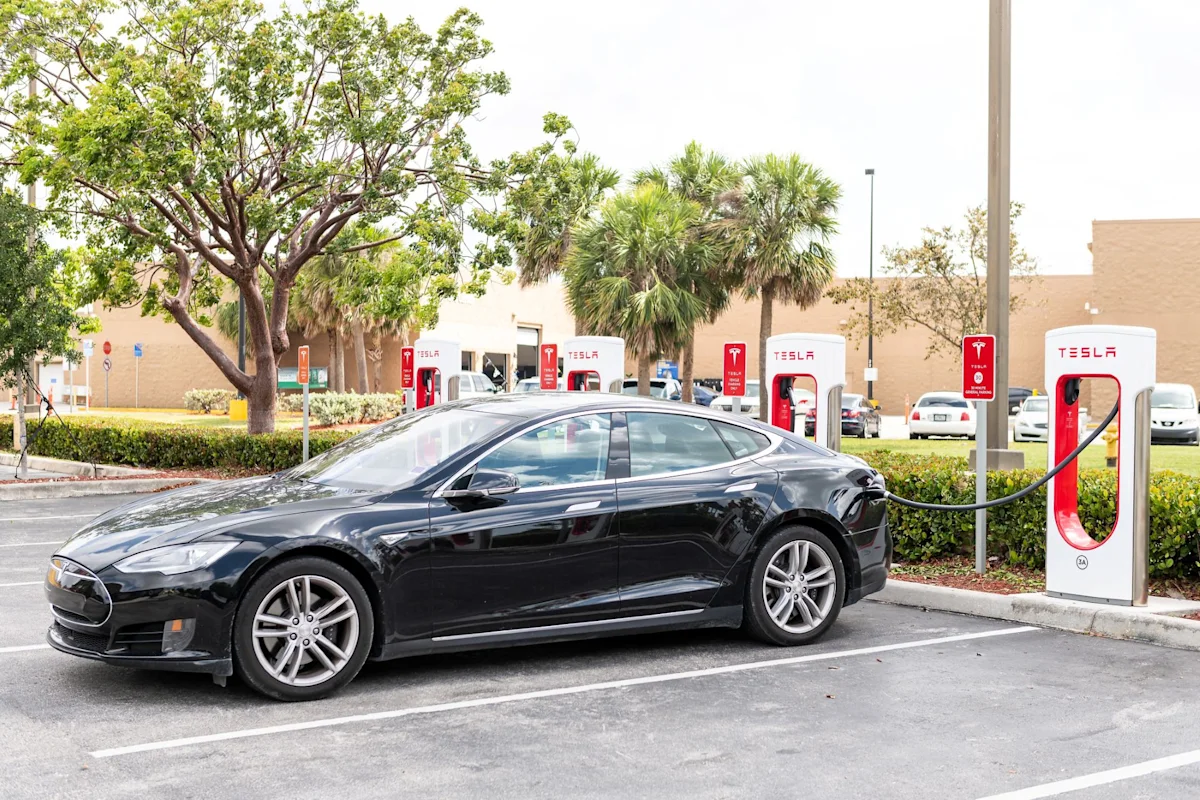
Industry claims about parts and warranty labour raise additional access questions, but they are not regulator findings. The Motor Trades Association of Australia, representing about 15,000 repair businesses, reports that some manufacturers restrict genuine replacement parts to approved networks or reduce the warranty labour time reimbursed to independent shops. It specifically reports that Tesla limits body-repair parts access to its Approved Body Shop Network.
These constraints fall unevenly. A metropolitan owner may have several dealerships nearby, while motorists in regional or outer-metropolitan areas can face longer travel and fewer appointment choices. Independent workshops also carry the cost of multiple manufacturer subscriptions and tools, rather than one standardized interface. As vehicles become more software-dependent, the viability of repairer choice increasingly turns on data architecture and access terms rather than mechanical competence alone.
A federal review has recommended renewing and strengthening the scheme, including dependable access to electronic service logbooks and provisions for global data aggregators. That next step will determine whether Australia’s legal right to choose a repairer remains usable as the service record, diagnostic pathway and software needed for the job move deeper into manufacturer-controlled systems.
| More aerospace and engineering stories, right in your MSN feed. Follow AMI on MSN |
By Thomas Caldwell — AMI’s senior editor for mechanical and mobility engineering, covering vehicle electronics, systems integration, electrification, chassis systems, propulsion, and safety policy.