Musk Reportedly Shifted to Building Terafab After Three Plant-Sale Rejections
Elon Musk reportedly pursued existing semiconductor plants from Intel, Taiwan Semiconductor Manufacturing Co. and Micron before all three chipmakers rejected the approaches, according to The Elec. The reversal pushed Tesla, SpaceX and xAI toward a more difficult alternative: assembling partners, suppliers and infrastructure for a new, vertically integrated chip operation in Texas.
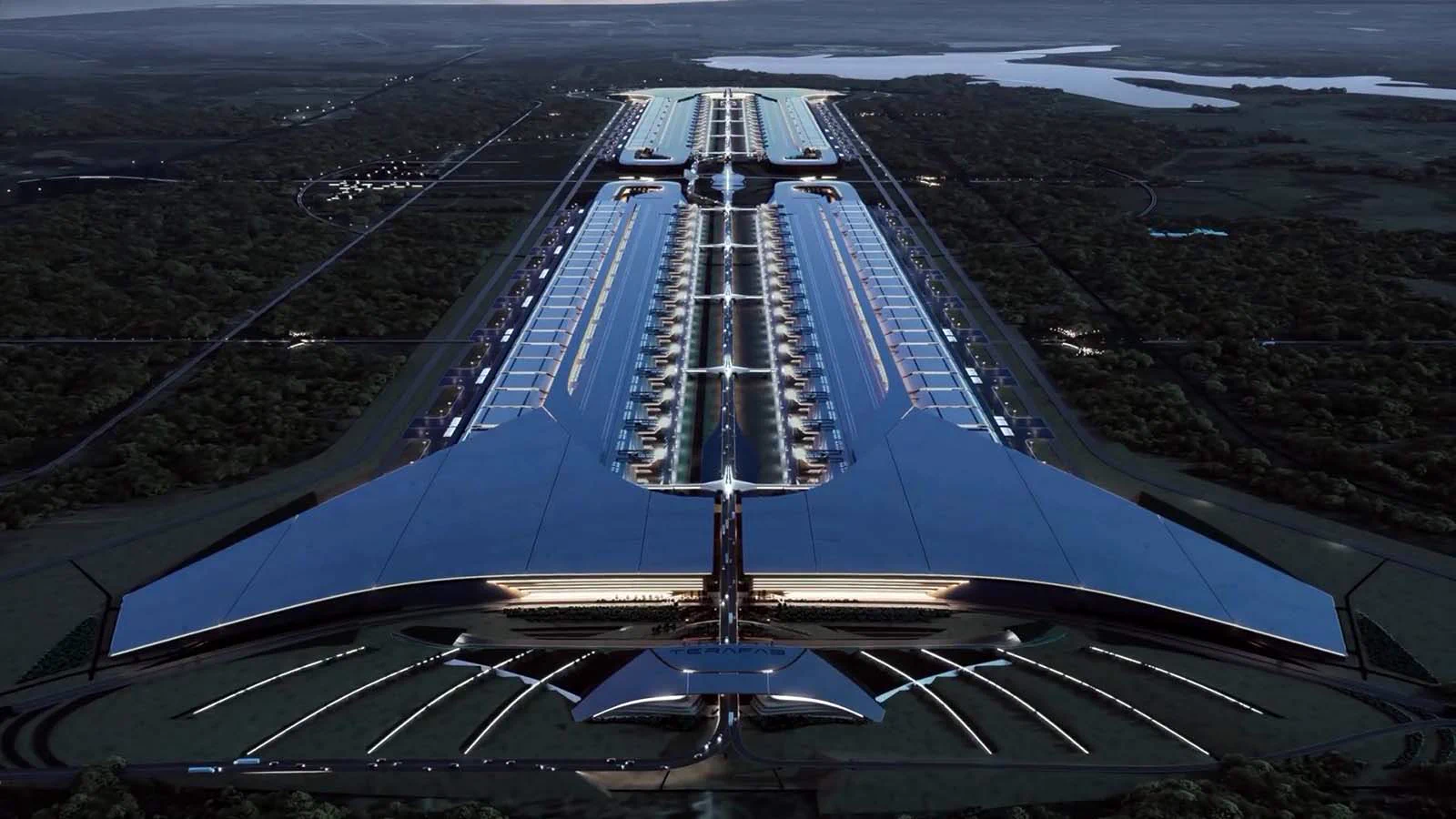
That operation, called Terafab, is planned as a combined chip-design, wafer-fabrication, packaging and testing complex. Public records reviewed by Engineering News-Record describe an initial investment of approximately $16.8 billion and four potential construction phases extending through 2036. Spending could reach $119 billion if all phases proceed, but each later expansion would require a separate decision.
Buying capacity gave way to building a production system
Acquiring an operating plant would have provided existing fabrication space and some installed infrastructure. Building Terafab instead requires the affiliated companies to coordinate cleanrooms, production equipment, utilities, materials, packaging and system-level integration as parts of one manufacturing system.
The difference is larger than constructing a building. Semiconductor plants depend on tightly controlled power, water, chemical distribution, contamination management and waste treatment. Terafab filings identify a central utility plant, substations, water-treatment and recycling systems, industrial wastewater treatment, onsite power generation, cooling equipment and compressed-gas and chemical infrastructure.
The planned supplier network reflects that scope. Lam Research and Applied Materials are among the named equipment suppliers, while Korean vendors are expected to provide piping, polishing slurries and cleaning chemicals. Suppliers reportedly said project engineers could make commitments without lengthy approval chains, an approach that may accelerate procurement but does not remove the commissioning and process-control work required before useful production begins.
Intel moved from potential seller to partner
The rejected acquisition proposals did not end every relationship with the three chipmakers. Intel reportedly joined Terafab as a partner after declining to sell a plant and is expected to contribute its 14A manufacturing process.
TSMC has taken a more guarded position. Chief Executive C.C. Wei said discussions with Musk were underway, but the chipmaker would require operational control of any plants involved in a partnership. Musk subsequently said TSMC’s maximum role would be as a subcontractor, with Tesla and SpaceX building and operating the facility.
That difference concerns more than corporate authority. In advanced semiconductor manufacturing, the operator controls process discipline, production qualification and the continuing adjustments needed to achieve repeatable output. Terafab’s proposed vertical integration gives Musk’s companies more direct control over design changes and manufacturing priorities, but it also places more responsibility for coordinating the complete production chain on the project’s owners.
The production figures remain targets
Musk has described Terafab as capable of producing more than one terawatt of AI computing capacity annually. Industry observers expect wafer output to reach roughly 100,000 per month before 2030, while the stated long-term target is one million wafers per month. Neither figure represents current operating capacity.
For comparison, TSMC is expected to produce about 120,000 wafers per month with its leading-edge 2-nanometer technology by the end of 2026. Wafer counts alone do not establish equivalent computing output because process technology, chip size, yield and product mix affect how many usable devices emerge from each wafer. Even at its eventual target, Terafab is projected to represent a single-digit share of the leading-edge semiconductor market.
The proposed campus in Grimes County is intended to support demand across transportation, robotics, artificial intelligence and aerospace. Filings describe a 100-million-square-foot facility and 3,000 jobs in the first phase, with construction projected for 2026 through 2028 and commercial operations expected in 2028.
That first production milestone will be more informative than the maximum spending projection. The three rejected plant approaches explain why Terafab became a ground-up integration project; the planned 2028 start will show whether its owners can turn that strategy into a qualified, repeatable manufacturing operation before deciding whether to proceed with three further phases.
| More aerospace and engineering stories, right in your MSN feed. Follow AMI on MSN |
By Thomas Caldwell — AMI’s senior editor for mechanical and mobility engineering, covering vehicle electronics, systems integration, electrification, chassis systems, propulsion, and safety policy.