Video Shows Pro-Saudi Forces Losing Dozens of $2M Tanks to $500 Houthi Drones
The protracted conflict along Saudi Arabia’s southern perimeter has increasingly evolved into a proving ground for asymmetric attrition, pitting expensive conventional military hardware against low-cost unmanned aerial systems. For years, armored formations deployed along the rugged frontier have maintained static defensive perimeters against irregular incursions. Yet, as commercial drone adaptations expand across regional battlegrounds, traditional ground armor faces mounting threats from vertical angles that legacy defense systems were never engineered to counter.
Border garrisons stationed in the kingdom’s southwestern sectors have historically relied on heavy main battle tanks and mechanized infantry fighting vehicles to anchor remote checkpoints and fortified outposts. However, defense analysts have long documented how non-state actors exploit mountainous topography to bypass fixed sensor suites and radar coverage. According to an analysis published by the Center for Strategic and International Studies, the southwestern border provinces of Asir, Jizan, and Najran have historically absorbed more than 80 percent of cross-border strikes launched from northern Yemen.
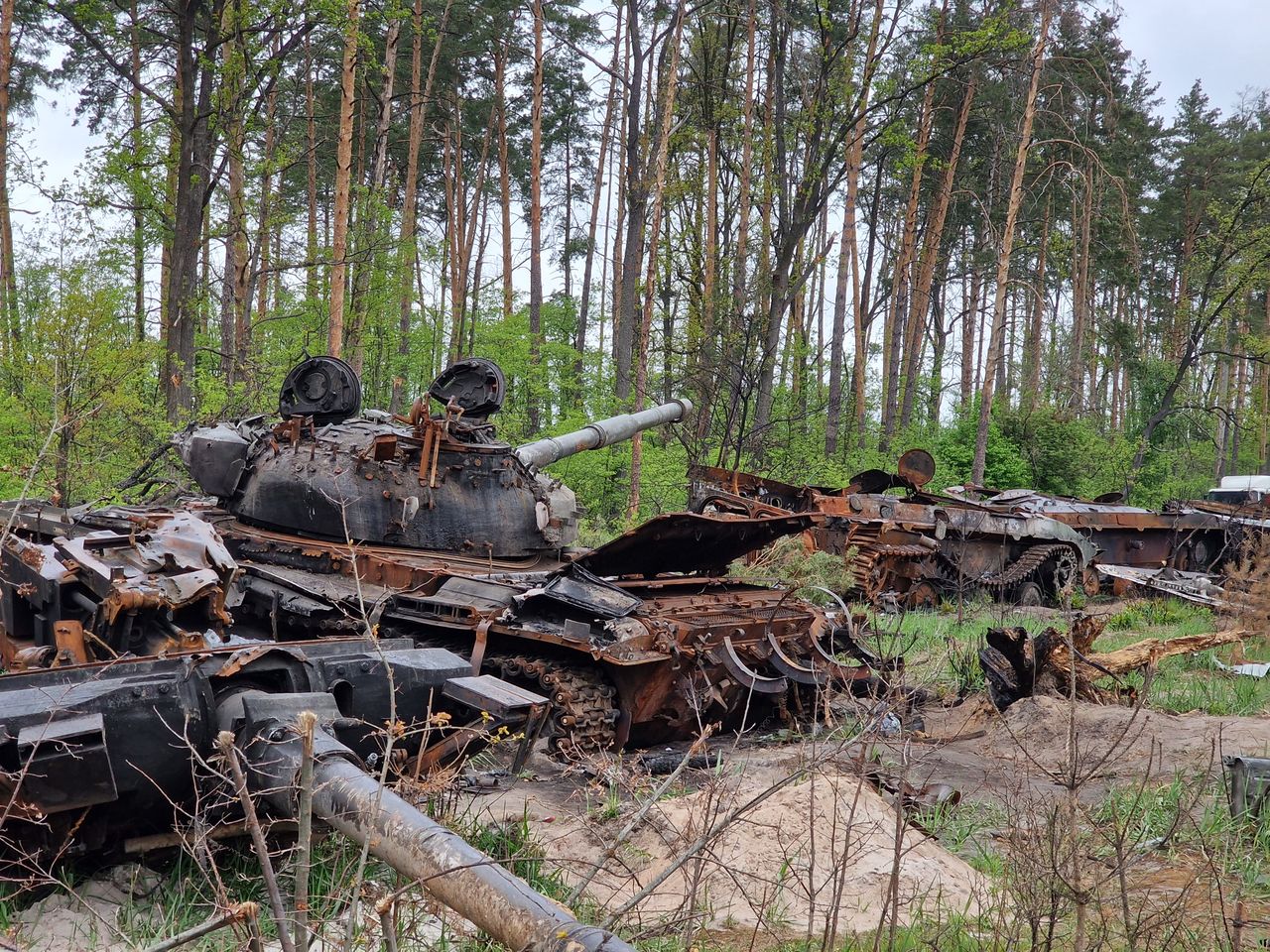
That persistent operational dilemma resurfaced in freshly released combat footage publicized by Yemeni Military Media and circulated across social media platforms by defense observer accounts. The compilation documents multiple drone strikes against armored assets belonging to pro-Saudi forces deployed across the contested Asir front, identified on screen as ‘جبهة عسير’. In one notable engagement highlighted by monitors, a commercial bomber drone valued at roughly $500 drops an unguided munition directly onto an American-designed ‘M60’ Patton main battle tank, a platform with a replacement value nearing $2 million.
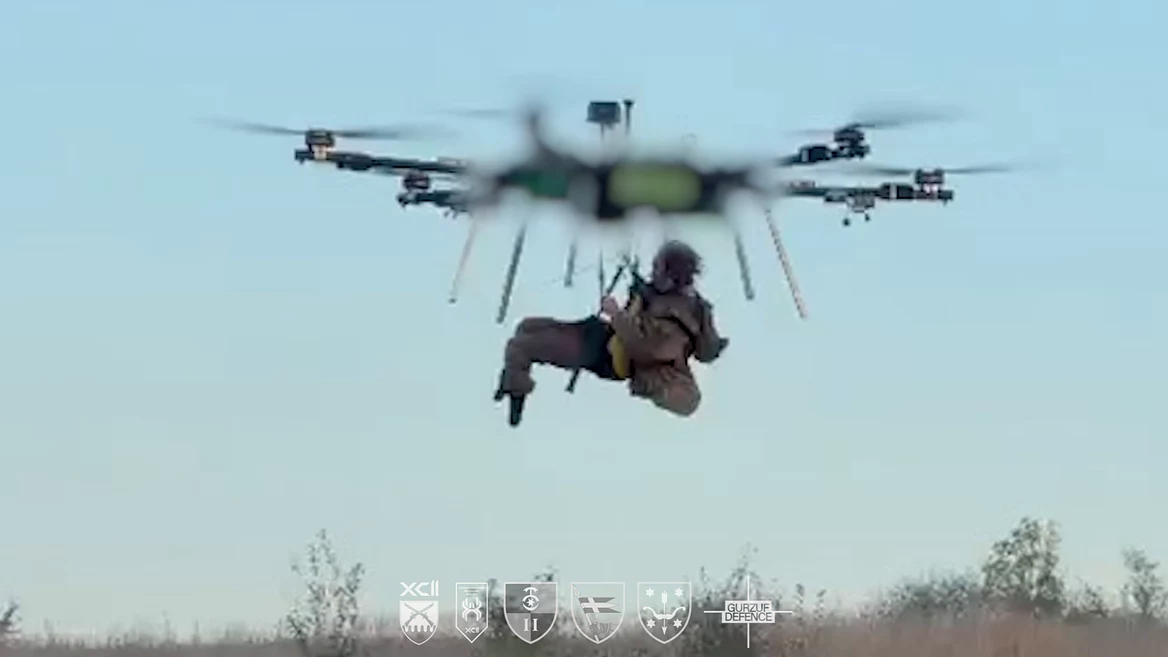
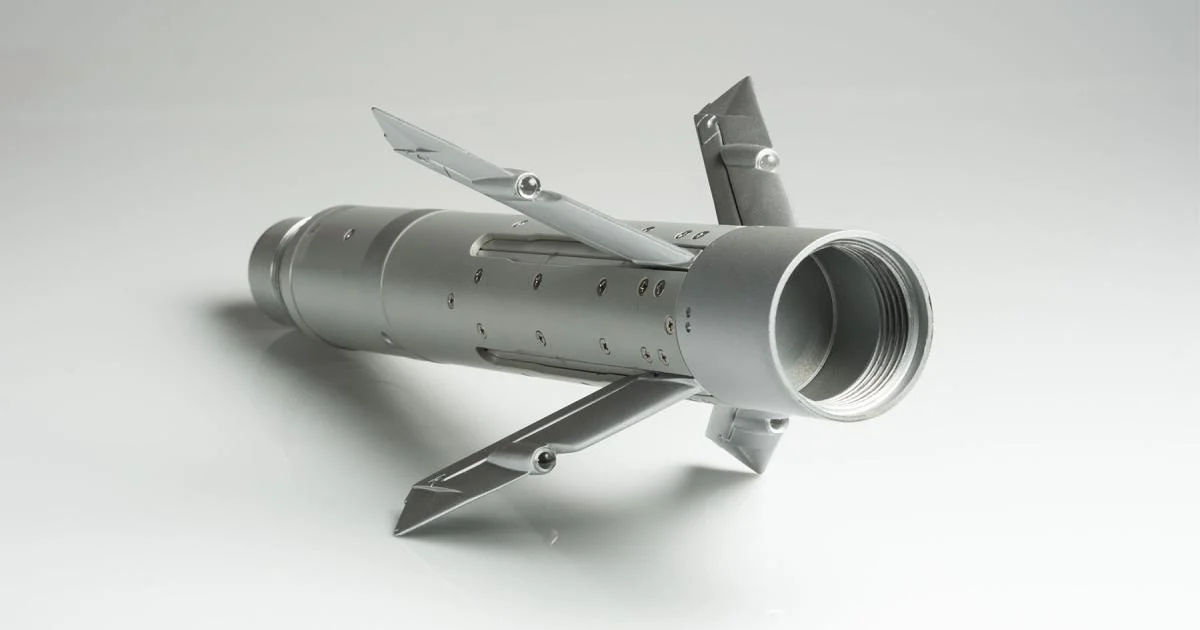
The visual evidence shows multirotor platforms, including modified commercial hexacopters and specialized ‘Rajoum’ unmanned systems, hovering at low altitude above armored vehicles stationed in exposed desert terrain. Instead of employing expensive kamikaze loitering munitions, the operators utilize gravity-dropped ordnance, such as modified mortar rounds and Iranian-designed ‘DIO M48’ high-explosive charges, released with high visual precision. These top-attack strikes target vulnerable engine decks, open crew hatches, and sensitive external optics, rendering multi-million-dollar armor combat-ineffective without requiring advanced anti-tank guided missiles.
⚡️JUST IN: Video Footage has been released of Dozens of Tanks worth $2 Million belonging to Pro-Saudi Forces being Struck by a $500 Houthi Bomber Drone https://t.co/K1BxOGLn82
— Iran Observer (@IranObserver0) October 20, 2026
The footage reflects tactics refined across Eastern Europe and the Middle East, where small unmanned bombers routinely disable heavy armor by targeting weak roof plating. While Saudi-led coalition forces maintain sophisticated long-range air defense screens, these strategic assets are designed to track high-altitude ballistic trajectories rather than low-flying, slow-moving quadcopters hugging ridge lines. Coalition spokesperson Major General Turki al-Malki previously noted during an operational update reported by Breaking Defense that “no country in the world has been able to confront these drones the way Saudi Arabia has,” underscoring the massive expenditure required to intercept irregular aerial threats.
For front-line commanders in Asir, the tactical reality on the ground requires urgent adaptation against an enemy leveraging inexpensive commercial components to punch well above its economic weight. Units operating legacy platforms like the ‘M60A1’ and ‘M60A3’ lack factory-installed active protection systems or electronic counter-drone jamming gear capable of neutralizing overhead loiterers. Without overhead wire screens, tactical jamming pods, and dispersed defensive concealment, stationary armored assets remain uniquely exposed to asymmetric drone operators seeking maximum financial and operational disruption.
As uncrewed aerial technology continues to proliferate among regional non-state forces, the stark cost disparity between offensive commercial drones and heavy armored vehicles is reshaping border defense doctrine. The encounters in Asir demonstrate that modern land power cannot rely solely on thick composite armor and heavy firepower when cheap aerial munitions can neutralize armor from above. Until ground forces integrate localized short-range air defenses and tactical electronic warfare at the platoon level, low-cost drone warfare will continue to dictate the terms of engagement along the southern front.