Boeing Connects Nine C-17 Cargo Jets, but Deal Covers Only 19
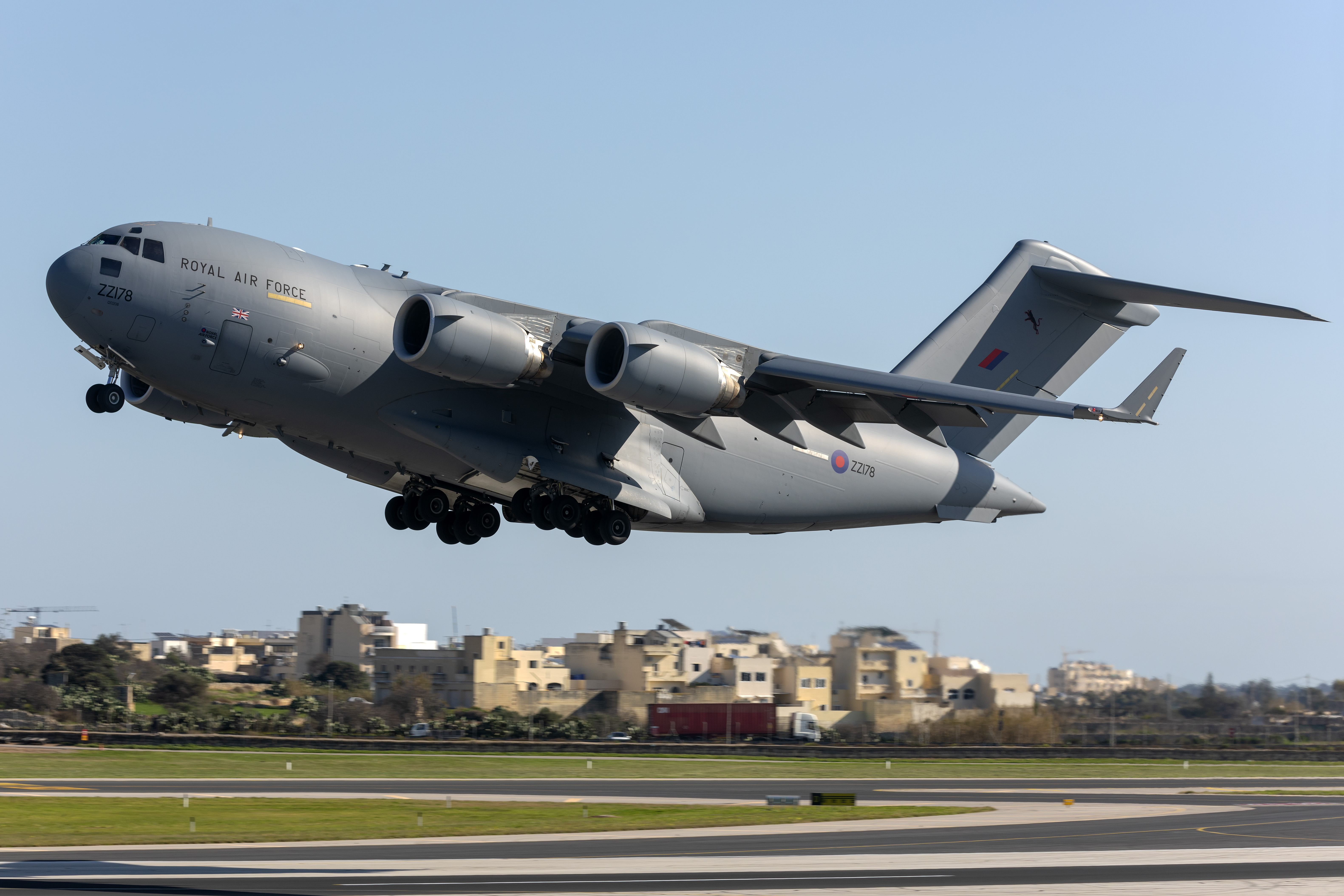
Boeing technicians at Port San Antonio have completed SpaceX Starshield installations on nine U.S. Air Force C-17 Globemaster III cargo jets. The work is part of two contracts worth a combined $13.5 million, but those agreements cover only 19 aircraft fewer than one in 10 of the Air Force’s 222 C-17s.

The remaining 10 aircraft covered by the present contracts are due to receive the equipment by March, according to the reported program details. The Air Force expects follow-on agreements could eventually bring the satellite connection to its entire Globemaster fleet, although that broader rollout still depends on future contracts.
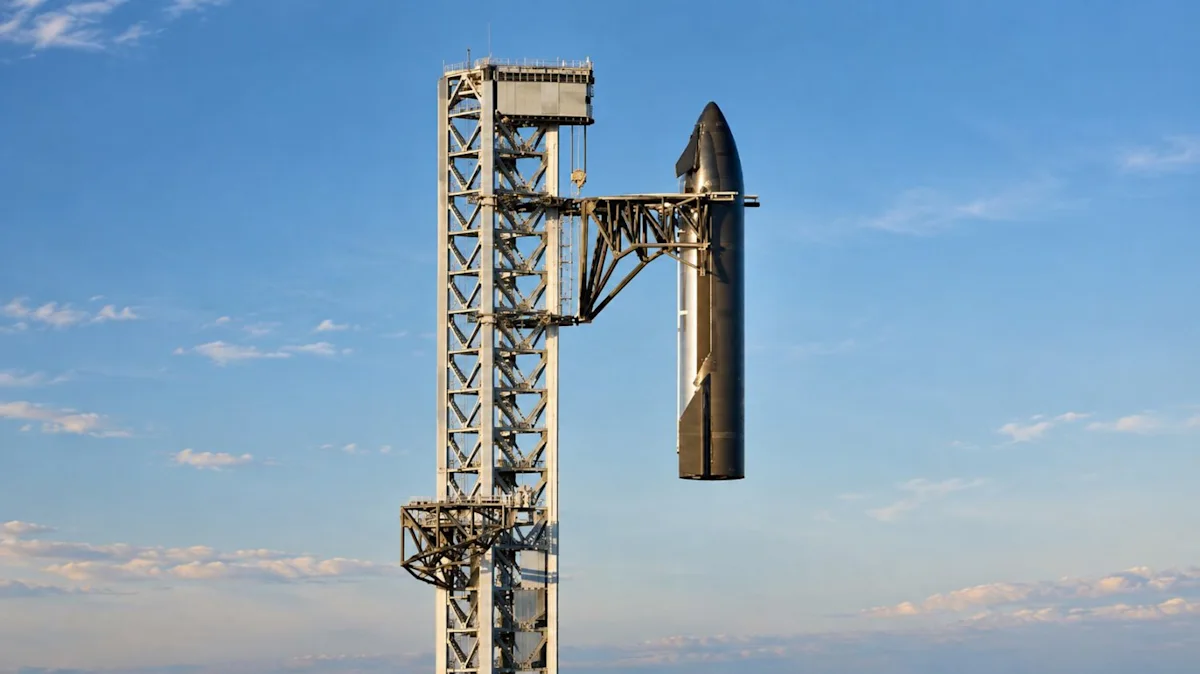
Starshield is the government and defense version of SpaceX’s Starlink satellite-internet service. On the C-17, it supplies a beyond-line-of-sight connection intended to keep crews networked and allow mission data to move while the aircraft carries personnel and cargo around the world.
A new digital layer for an existing cargo fleet
The installation is more than an airborne internet terminal. It supports the Airlift/Tanker Open Mission Systems communications suite, known as ATOMS, which places network and computing functions aboard mobility aircraft. Sierra Nevada Corp. supplies the Starshield and ATOMS equipment and installation kits, while Boeing performs the C-17 integration work at Port San Antonio.
An Air Mobility Command description of ATOMS says the modular system can provide crew positions with secure tablets, tactical data and chat functions. That can let crews receive mission updates, cargo changes and refueling assignments before landing rather than waiting to reconnect on the ground.
In practical terms, the C-17 is gaining a new digital layer without requiring a new transport aircraft. Its basic job remains moving large loads and people, but the communications installation turns the jet into a connected information node as well. That is the sense in which an established cargo platform is getting a new brain: the airframe and transport mission stay in place while the way crews receive, process and share information changes.
ATOMS is designed to be modular and able to work with multiple beyond-line-of-sight satellite providers rather than locking its broader architecture to one network. Starshield supplies the connection in the current C-17 installation, while the open-system approach gives the Air Force a path to adapt communications equipment as networks and requirements change.
Nineteen aircraft are an initial slice, not a fleet conversion
The contract boundary is the most important limitation. Completing nine installations demonstrates that Boeing’s modification line is operating, and finishing the next 10 would fulfill the currently funded scope. It would still leave 203 C-17s outside these two contracts.
Extending the system across all 222 aircraft would require more procurement, equipment and installation capacity. It would also turn a limited modification effort into a fleet-scale sustainment task, where scheduling matters because aircraft must be made available for work without unnecessarily reducing transport availability.
Port San Antonio is already structured for large-aircraft maintenance and modification. Boeing established the operation in 1998, and the site includes more than 1.6 million square feet of enclosed area and 940,000 square feet of hangar space. The Starshield work falls under Boeing’s reported $9.5 billion agreement for C-17 heavy maintenance, making connectivity installation an addition to an established sustainment pipeline rather than a stand-alone field retrofit.
The effort also follows years of military experimentation with commercial satellite constellations. The Air Force Research Laboratory’s Global Lightning program, which began in 2018, has tested satellite communications across more than 10 aircraft types. Its work has increasingly focused on hybrid terminals that can communicate through commercial and military networks in low, medium and geostationary orbits.
Starshield-based ATOMS equipment is also being installed on limited numbers of KC-135 tankers, KC-46 tankers and C-130 transports. Those projects show that the C-17 modification belongs to a wider mobility-fleet connectivity effort, though the number of aircraft equipped remains limited.
For SpaceX, the installations mark another expansion beyond launching military payloads. At least $6 billion in Pentagon spending is tied to Starshield, including $4.2 billion in Space Force contracts associated with the Golden Dome missile-defense system. The network is also being introduced on some executive aircraft, Navy ships and unmanned boats.
At Port San Antonio, however, the immediate measure of progress is narrower and more concrete: nine connected C-17s, 10 more funded for completion by March, and 203 additional Globemasters awaiting any future fleet-wide deal.
| More aerospace and engineering stories, right in your MSN feed. Follow AMI on MSN |
By David Whitaker — Associate editor for AMI’s aerospace and drone systems desk, translating flight systems, aircraft programs, spaceflight, and UAV developments into accessible technical stories.