Greek Submarine Torpedo Sinks Decommissioned Frigate During Joint Missile Trials
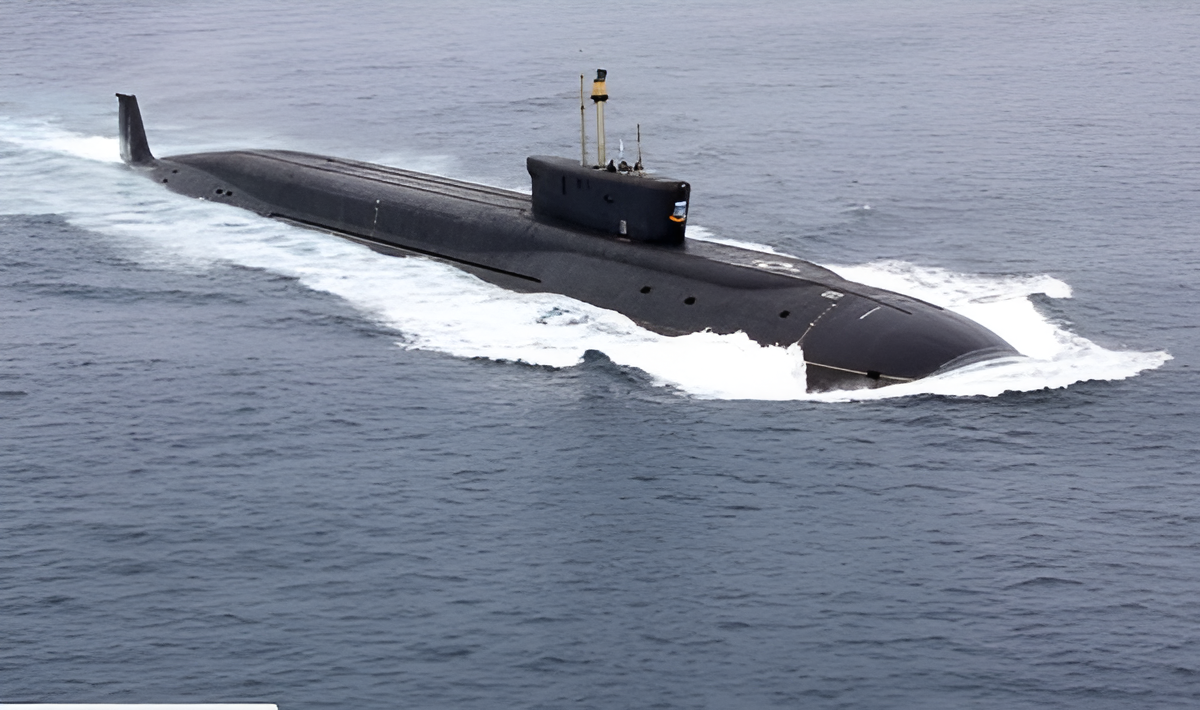
A Greek submarine fired a torpedo that sank the decommissioned frigate HS MPOUMPOULINA during a wider Greek-Israeli naval weapons trial in the northern Cretan Sea. The full-size former warship provided the exercise’s clearest physical result, while the Hellenic Navy’s official account also recorded successful launches of newly installed SPIKE guided missiles from two much smaller surface vessels.
The acceptance firings took place on October 21, 2026, with Greek naval vessels, helicopters, Hellenic Air Force assets and two Israeli guided-missile vessels participating. Israeli Navy units conducted their own missile firings as part of the event.
The missile portion paired two weapons with two distinct platforms. A Machitis-class gunboat launched a SPIKE Non-Line-of-Sight missile, while a Mark V Special Operations Craft fired a SPIKE ER2. The Hellenic Navy described both launches as successful and said they confirmed the effectiveness and operational value of the new systems.
After the missile firings, the decommissioned HS MPOUMPOULINA, hull number F-463, was sunk by an SUT torpedo fired from a submarine. A torpedo sending a frigate-sized target beneath the surface makes the weapon’s destructive effect unusually concrete, but the exercise joined separate missile and torpedo demonstrations rather than establishing that one weapon system produced every result.
Precision weapons move onto smaller vessels
The less visually dramatic part of the trial may have the broader effect on fleet design. Greece has equipped four Machitis-class vessels and four Mark V craft with SPIKE systems, giving relatively small platforms precision-guided weapons without turning them into conventional major warships.
The Machitis installation uses the longer-reaching SPIKE Non-Line-of-Sight variant, which has a reported engagement range of up to 32 kilometers. Its electro-optical and infrared guidance supports engagements against surface and coastal targets, including targets that are not directly visible from the launching vessel.
That capability depends on more than the missile airframe. The practical system includes sensors, guidance, communications, launch hardware and the vessel interfaces needed to connect them. The patrol-vessel installation required changes around the aft section and replaced an existing 40-millimeter gun mounting with a guided-missile launcher. Each Machitis-class vessel can accommodate eight of the missiles, according to the supporting program description.
The smaller Mark V craft received the shorter-range SPIKE ER2 configuration, with four missiles mounted at the stern. Its integration required changes to the main cabin, mast and aft deck. Those alterations illustrate the mechanical cost of adding precision strike to a compact vessel: launcher space, structure, sensors and associated equipment must compete with the craft’s existing payload and deck arrangement.
The two configurations therefore serve different operating envelopes. The gunboat gains greater reach through the Non-Line-of-Sight system, while the special-operations craft receives a more compact guided-weapon installation. Successful acceptance firing is an important integration milestone because it exercises the installed chain from platform to launcher and guided missile. It is not a universal measure of performance across every sea state, target condition or combat environment.
A combined trial across air, surface and subsurface units
The exercise drew vessels from Greek frigate, submarine, fast-attack, patrol and underwater-demolition commands, alongside naval helicopters and air-force assets. That scale made coordination another part of the test. The Hellenic Navy said participation by Israeli vessels improved interoperability between the two services.
For the Greek fleet, the trial marked progress toward placing the SPIKE systems into operational service. Its two central results were distinct but complementary: the torpedo produced the most unmistakable physical outcome against a retired warship, while the successful gunboat and Mark V launches showed that precision-guided missiles had moved from installation work to acceptance firing on both small-vessel classes.
| More aerospace and engineering stories, right in your MSN feed. Follow AMI on MSN |
By Jonathan Barrett — Editor for AMI’s future mobility and autonomous systems section, with two decades covering robotics, e-mobility, drone-vehicle convergence, and transport mechanical systems.