Moldova Reports 40-Plus Drone Incursions, Forcing Temporary Airport Closures
Moldova’s air-surveillance radars can warn controllers that a drone is approaching, but they cannot remove it from the sky. That gap has become a recurring civil-aviation problem in 2026: authorities have reported more than 40 suspected Russian drone incursions, while Chișinău International Airport has temporarily suspended operations during some incidents to protect civilian flights.
By October 7, Moldova’s Defense Ministry had recorded 56 airspace violations of different kinds during the year, according to a published account of the ministry’s figures. That compared with 17 violations in all of 2025, 10 in 2024, six in 2023 and four in 2022. The Moldovan army’s Air Operation Service separately reported at least 81 Russian drone incursions and six detected missiles over the previous four years.
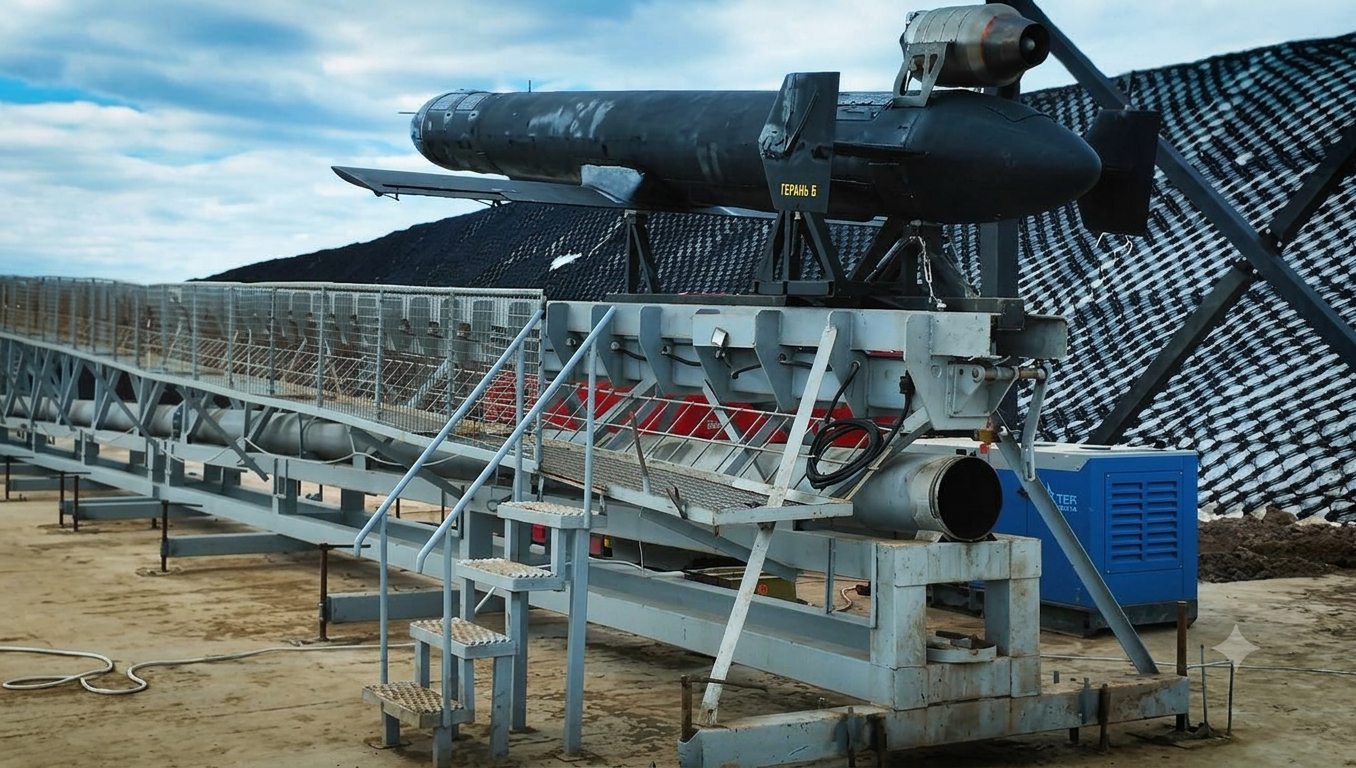
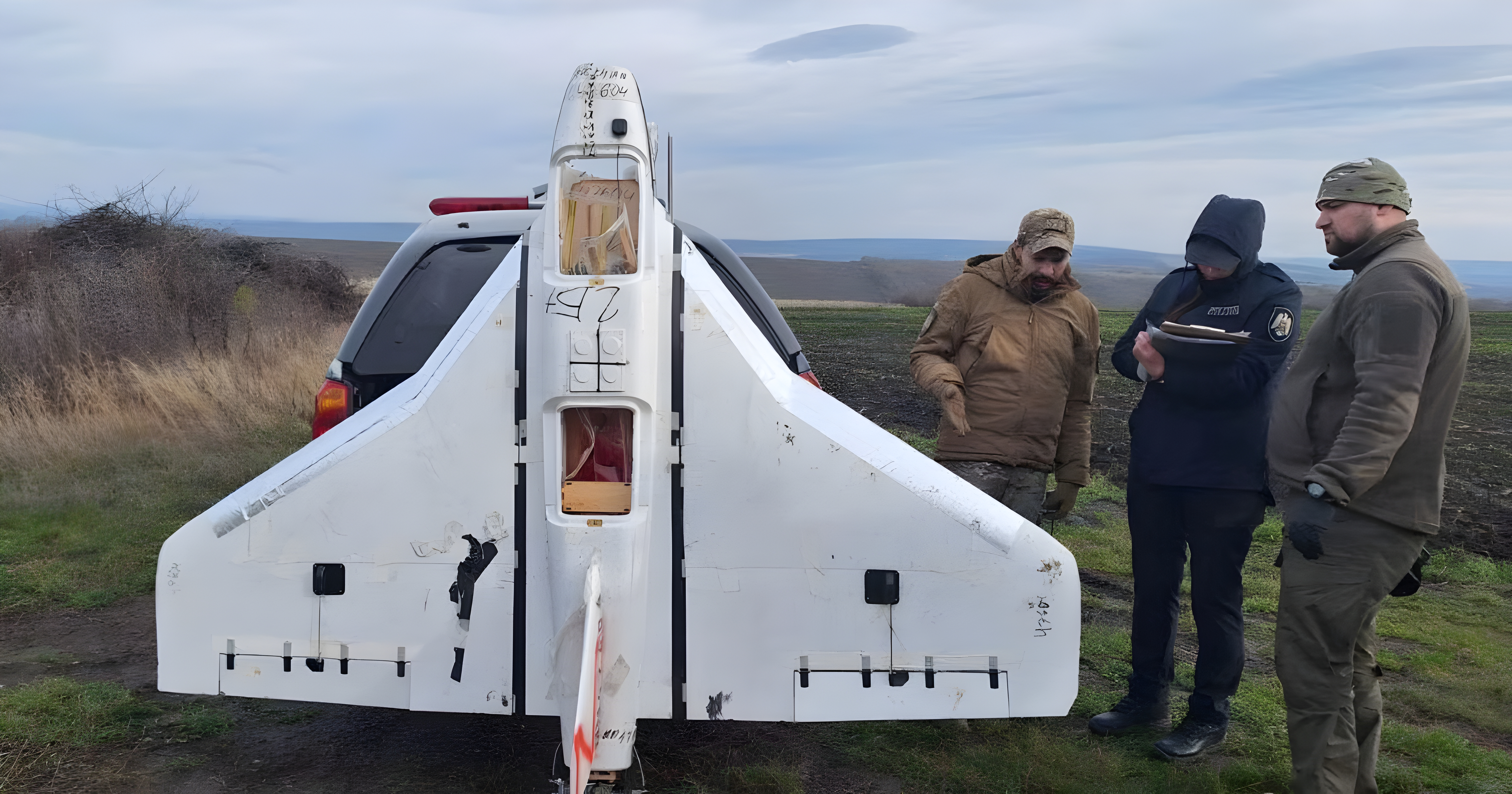
Russian Ambassador Oleg Ozerov said he had not been shown evidence that the drones were Russian. He previously acknowledged that some could have been Russian-made while denying that Moldova was their intended target. Moldovan authorities believe most were heading toward targets in Ukraine before deviating across the border, potentially while bypassing Ukrainian jamming and other countermeasures.
Detection does not provide an interception layer
Moldova has strengthened its ability to observe its airspace with a French radar purchased through its defense budget and another radar obtained with European Union assistance. The French system was reported to cost approximately €14.5 million with related equipment. These sensors improve warning and tracking, but Moldova says it lacks military aircraft or ground-based systems capable of intercepting the detected drones.
A radar return is only the beginning of an air-defense chain. Operators must detect an object, establish a usable track, identify or classify it, assess its path and risk, communicate that information and authorize an appropriate response. Interception then requires a separate system, trained personnel, command arrangements and rules for using it in sovereign airspace. A surveillance purchase can therefore improve awareness without providing the machinery needed to stop an incursion.
That separation explains why airport suspension remains one of Moldova’s available safety responses. When an unidentified drone may enter controlled airspace, temporarily holding departures or arrivals reduces the possibility of placing an airliner in the same operating area. The International Civil Aviation Organization says states, aircraft operators and air-navigation service providers should share current risk information and conduct risk-based planning for flights near conflict zones. Its conflict-zone aviation guidance addresses both deliberate attacks and unintended impacts on civil aircraft.
Closures nevertheless impose a real operating cost. Aircraft can be delayed, schedules disrupted and airport capacity temporarily removed even when a drone never approaches a runway. Warning is valuable because it gives controllers time to act, but without interception, the safety response still depends heavily on moving civilian traffic out of potential conflict.
Cost and neutrality constrain the next step
Building an integrated air-defense system would be substantially broader than buying another radar. Moldova would need compatible sensors, communications, command-and-control equipment and a legally authorized means of neutralizing an aerial object. Each layer brings acquisition, training, maintenance and long-term readiness costs. The European Union granted €120 million through the European Peace Facility in July for a medium-range defense system, but Moldovan ministers continue to describe integrated air defense as a future capability rather than one already available.
Constitutional neutrality further narrows Moldova’s options. The country cannot currently rely on neighboring Romania’s F-16 fighters for this mission because that form of military cooperation is blocked by its neutral status. Moldova also remains outside the European Drone Wall and Eastern Flank Watch initiatives described as an emerging EU-Ukraine collective defense framework.
The incursions have so far caused no recorded casualties, although debris has reached districts bordering Ukraine’s Odesa region. One crash caused a vineyard fire and broken windows, while another drone landed about 100 yards from a residential building. Those events show why detection has immediate value, but the airport suspensions expose its limit: Moldova can receive the warning and clear civilian traffic, yet it still lacks the interception layer needed to end the aerial intrusion itself.
| More aerospace and engineering stories, right in your MSN feed. Follow AMI on MSN |
By Stephen Wallace — Editor for AMI’s aerospace integration and unmanned mobility coverage, focused on drone manufacturing, VTOL systems, autonomous networks, and air-ground mobility links.