Pentagon Leaves Ukraine Without Timetable to Manufacture Patriot Missiles at Home
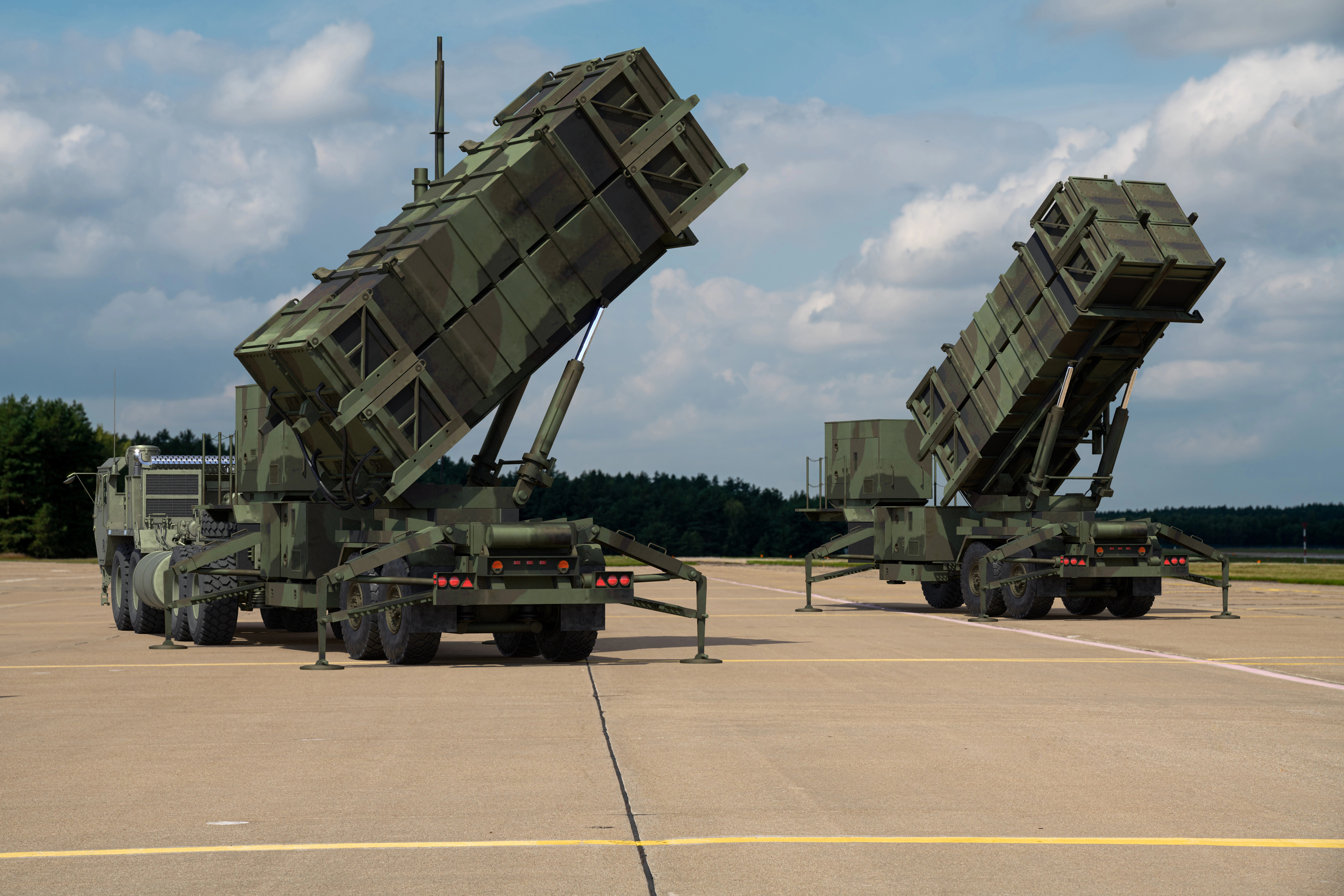
Ukraine has two potential routes to obtain more Patriot interceptors, but neither provides confirmed near-term relief. The Pentagon placed Kyiv’s request to manufacture the missiles domestically under “further review” on Oct. 31, leaving Ukraine without authorization, a production agreement or a timetable for opening a local manufacturing line.

The unresolved license request is separate from the proposed $2.1 billion sale of 500 Patriot Advanced Capability-3 Missile Segment Enhancement interceptors approved by the State Department on Oct. 30. That decision permits the possible foreign military sale to proceed, but it does not mean 500 completed missiles are ready for delivery. Ukrainian President Volodymyr Zelensky said deliveries “may begin only in a few years.”
Zelensky has urged the United States and European governments to release interceptors from their existing inventories, then replace those missiles with newly manufactured rounds. That proposal addresses the timing mismatch at the center of Ukraine’s request: procurement approval can be granted quickly, while manufacturing capacity and completed deliveries operate on a much longer industrial schedule.
A license would start a process, not a production line
Even a favorable Pentagon decision would not immediately produce Patriot interceptors in Ukraine. Licensed manufacturing would require negotiated technology-transfer terms, industrial investment and the participation of the American companies responsible for the missile and its critical components. Facilities, tooling, workers, suppliers and test processes would then have to be established and brought into a controlled production system.
Lockheed Martin is the principal manufacturer of the PAC-3 MSE interceptor. Boeing supplies its advanced seeker, making the production rate dependent on more than Lockheed’s final-assembly operation. Expanding output therefore requires coordinated investment across the supplier network rather than adding capacity at one factory alone.
That supplier dependence is reflected in the broader U.S. expansion plan. A seven-year Pentagon framework calls for Lockheed Martin’s annual PAC-3 MSE capacity to rise from approximately 600 interceptors to about 2,000 by the end of 2030. The government also plans longer-term arrangements with key suppliers so component output can increase alongside final missile assembly.
Boeing received a seven-year contract action in October to support a tripling of PAC-3 MSE seeker production. Its work includes factory investment, facility modernization and expanded supplier relationships. Those measures illustrate why a domestic-production license is only one gate: interceptor output cannot exceed the qualified flow of essential components entering the line.
Overseas production talks do not confirm a Ukrainian deal
Lockheed Martin has said it is in advanced discussions with several countries about international production partnerships. Senior Vice President Dan Tenney described the talks as “pretty deep,” but the company did not identify the countries or confirm that Ukraine is participating.
International production is not unprecedented. Japan already manufactures PAC-3 missiles under license, demonstrating that the model can work when government authorization, an established industrial partner and supply arrangements are in place. It also shows the institutional scale involved: licensed production is a structured industrial program, not permission to reproduce a finished missile independently.
For Ukraine, the Pentagon’s continued review leaves the most basic elements unsettled. There is no confirmed agreement defining what portion of the interceptor could be produced domestically, how American manufacturers would participate or when any Ukrainian line could begin delivering completed missiles.
The proposed 500-interceptor package could eventually add substantial capacity to Ukraine’s existing Patriot operations, with Canada, Germany and Norway contributing funding alongside Ukrainian national funds financed through a European Union support loan. Yet those missiles still must move through contracting and production before delivery. Until either existing inventories are released or newly manufactured rounds arrive, the approved sale and the unapproved production request remain long-term supply paths rather than a confirmed immediate answer.
| More aerospace and engineering stories, right in your MSN feed. Follow AMI on MSN |
By David Whitaker — Associate editor for AMI’s aerospace and drone systems desk, translating flight systems, aircraft programs, spaceflight, and UAV developments into accessible technical stories.