Electric Dodge Charger Costs 103% More to Lease Despite 9% Price Premium
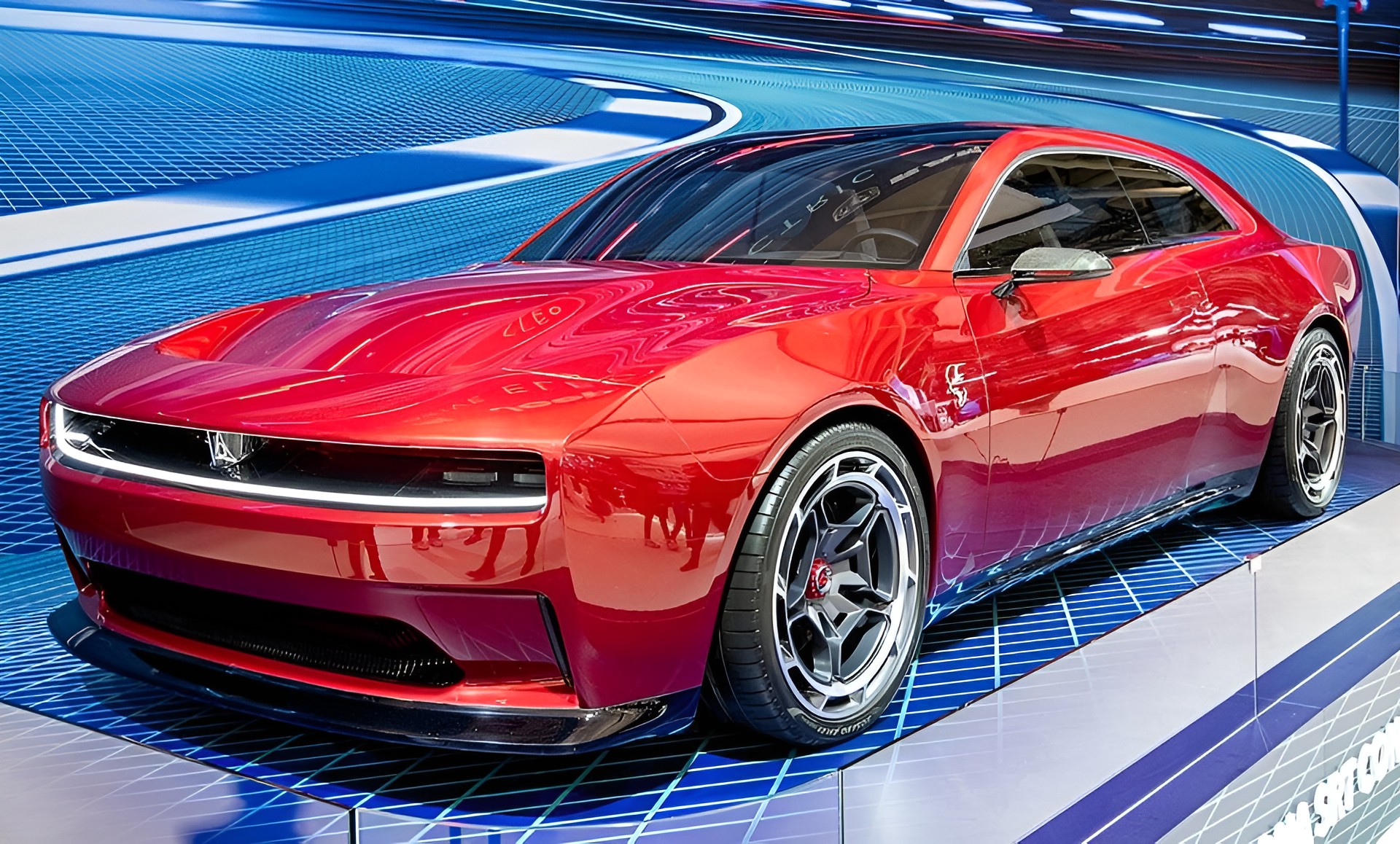
The electric 2026 Dodge Charger Daytona Scat Pack costs only $5,000 more than its gasoline counterpart, but current cited terms turn that 9% sticker-price premium into an effective lease cost nearly 103% higher. After the initial payments are spread across the 36-month terms, the electric Charger works out to approximately $1,486 a month, versus $733 for the gasoline model, excluding taxes and fees.

That is a $753 monthly gap between two performance cars whose list prices are comparatively close. Over 36 months, the effective costs amount to approximately $53,496 for the electric Charger and $26,388 for the gasoline version a difference of $27,108 under the cited terms.
A modest price gap becomes a large lease gap
The two-door Charger Daytona Scat Pack has a manufacturer’s suggested retail price of $60,690. CarsDirect figures cited by The Drive list its lease at $1,312 per month for 36 months, with $6,269 due at signing. Dividing that initial amount across the full term adds approximately $174 per month, producing the $1,486 effective figure.
The gasoline-powered, two-door Charger Scat Pack starts at $55,690. Dodge’s online estimator lists a 36-month payment of $573 per month with $5,769 initially due, according to CarsDirect. Amortizing that initial payment adds about $160 per month, raising the effective cost to approximately $733.
This comparison illustrates why the advertised monthly payment alone does not capture the full lease burden. The Federal Trade Commission’s consumer-lease advertising guidance requires disclosures covering the number and amount of scheduled payments and the total due at signing. Combining those two figures provides a clearer like for like view, although taxes, registration charges and other fees can still change the final amount.
Residual value drives much of the difference
The central mechanical-financial link is the residual value: the projected amount a vehicle will be worth when its lease ends. The electric Daytona reportedly carries an estimated residual of 40% of its original sticker price, compared with 67% for the inline-six gasoline Charger, known as the Sixpack.
Using the two list prices as a simplified illustration, 40% of the electric model’s $60,690 sticker is $24,276. The lease therefore has to account for a much larger projected loss in value during the term. By comparison, 67% of the gasoline model’s $55,690 sticker is approximately $37,312. Actual lease calculations can include negotiated capitalized cost, financing charges and other adjustments, but the 27-percentage-point residual gap places substantially more depreciation into the electric car’s three-year lease structure.
A residual is a forecast rather than a guaranteed future resale price. The Federal Reserve’s leasing guidance explains that lessors can assign different residuals to the same vehicle based on mileage, lease term, market expectations, their own experience and how much residual-value risk they are willing to accept. Manufacturers may also support leases by raising residual assumptions or supplying incentives that reduce the customer’s payment.
No lease incentives were found for the electric Charger in the cited comparison. That leaves its low projected residual largely exposed in the monthly cost instead of being offset through lease support. The result is a payment disparity far greater than the vehicles’ $5,000 purchase-price difference would suggest.
The lineup is moving toward gasoline models
The lease gap arrives as Stellantis reshapes the electric Charger range. The company discontinued the Daytona R/T and canceled the planned higher-output Banshee, while returning Hemi V8 engines to other vehicles. Dodge’s Charger website also gives the gasoline Sixpack top billing over the electric Daytona.
The end of the federal electric-vehicle rebate has been identified as another setback, but the available comparison does not quantify its contribution to the Daytona’s lease terms. The directly measurable constraint is the combination of a 40% estimated residual and no identified lease incentive. For the electric Charger, those two assumptions transform a 9% sticker premium into an effective monthly burden roughly twice that of the gasoline model.
| More aerospace and engineering stories, right in your MSN feed. Follow AMI on MSN |
By Thomas Caldwell — AMI’s senior editor for mechanical and mobility engineering, covering vehicle electronics, systems integration, electrification, chassis systems, propulsion, and safety policy.