Ford Maverick Recall Repair Finished, but Official Record Stayed Open
A 2024 Ford Maverick Lariat owner says a mobile technician installed a towing-safety recall update at his home, yet Ford’s central records continued to list the campaign as incomplete. The dealership reportedly could not close the safety ticket, leaving the owner with a repaired truck but an unresolved vehicle record.

The account highlights two separate stages in a modern software recall: changing the calibration inside the vehicle and registering that work as complete in the manufacturer’s recall system. A successful installation does not automatically guarantee a successful administrative closeout if the diagnostic session’s final validation or data transfer fails.
The recall addresses trailer safety functions
Ford Recall 26C10, identified as National Highway Traffic Safety Administration Campaign 26V104, reportedly covers roughly 412,000 Mavericks. Its software remedy addresses a startup communication-timing problem between the Integrated Trailer Module and the Body Control Module.
The problem can produce “Trailer Brake Module Fault” or “Blind Spot Assist Unavailable” warnings. The Maverick’s own exterior lights continue operating, but the brake lights, turn indicators and electric brakes on a connected trailer can disengage. That makes completion status more than a paperwork concern: the campaign concerns functions that communicate a driver’s actions to following traffic and help control a trailer during braking.
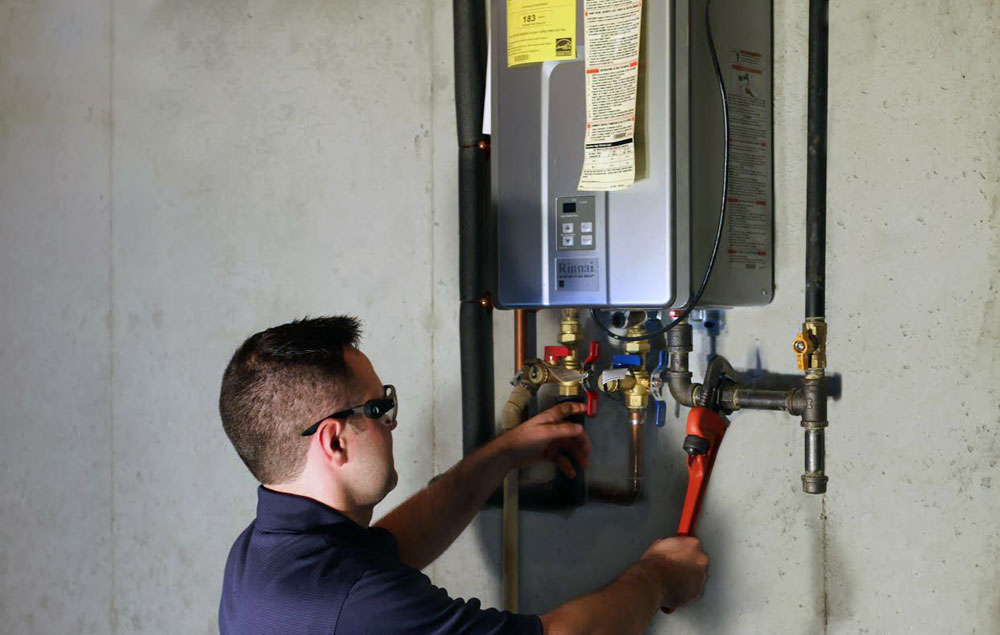
During the reported mobile appointment, the technician connected a Ford VCM III diagnostic interface to the truck’s onboard diagnostic port. Ford’s Diagnostic and Repair System then installed the updated calibration through that wired connection. According to the owner, the flash itself succeeded and the truck received the intended software.
The failure occurred at the recordkeeping stage. Ford’s system still showed the recall as open, even though the technician had physically serviced the truck. The owner said the dealership had encountered similar closeout problems and was submitting reports to Ford, but no broader rate or confirmed Ford explanation is available.
Why older Mavericks need a cable
The wired procedure reflects an important boundary in the Maverick’s update architecture. According to the available technical account, 2022 through 2024 Mavericks can receive infotainment and navigation updates over the air, but they cannot use that route for this module-level vehicle-system remedy. A technician must connect diagnostic equipment and install the calibration through Ford’s service software.
Model-year 2025 and later Mavericks reportedly support over-the-air updates for vehicle systems as well as installation through Ford’s diagnostic system. That distinction explains why a mobile technician can perform the earlier truck’s repair in a driveway, but still needs a physical cable, service interface and dependable connection to Ford’s supporting systems.
Weak cellular service or interrupted data during final validation has been raised as a possible explanation for the open record in this case. Ford has not provided a confirmed finding tying the closeout failure to cellular latency, so the precise breakdown remains unresolved. The calibration may reside locally in the truck while recall completion depends on information passing through a separate dealer and manufacturer workflow.
A completed repair needs a completed record
The mismatch can create practical uncertainty because recall status is commonly checked by vehicle identification number. NHTSA’s recall lookup tool shows unrepaired recalls associated with a VIN and reports “0 unrepaired recalls” when none appear in its covered data. NHTSA notes that its results do not display a safety recall that has already been repaired and directs owners with remaining questions to the manufacturer.
In this instance, the open Ford record reportedly prevented the dealership from marking the campaign complete after the mobile visit. The account recommends confirming that the repair order and warranty ticket identify the campaign as completed, although one owner’s experience does not establish how often mobile repairs encounter this problem.
The unresolved point is not whether the technician could reach and reprogram the module; the reported wired flash was successful. It is whether Ford’s service and tracking systems can reconcile that completed vehicle-side work without another dealer follow-up. Until the record is corrected, the truck can carry the new safety calibration while the recall system continues to say the repair remains undone.
| More aerospace and engineering stories, right in your MSN feed. Follow AMI on MSN |
By Thomas Caldwell — AMI’s senior editor for mechanical and mobility engineering, covering vehicle electronics, systems integration, electrification, chassis systems, propulsion, and safety policy.