GM Recalls 67,380 EVs After Software Briefly Interrupts Low-Speed Braking
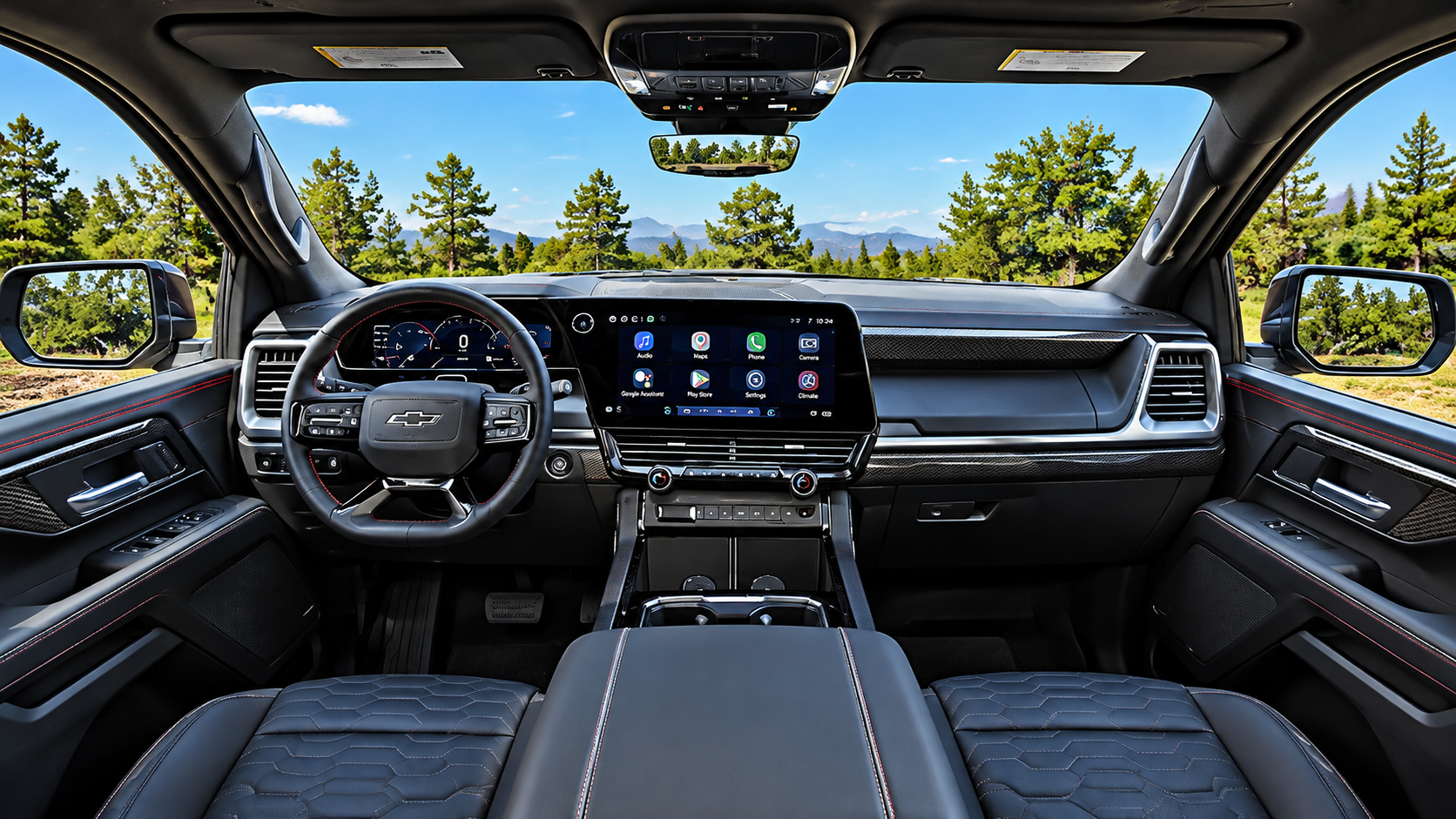
General Motors is recalling 67,380 Cadillac and Chevrolet electric vehicles because brake-control software can briefly prevent braking on the first pedal application under certain low-speed conditions. Braking returns when the driver presses the pedal again, but the delay creates a collision risk during maneuvers where little distance is available.
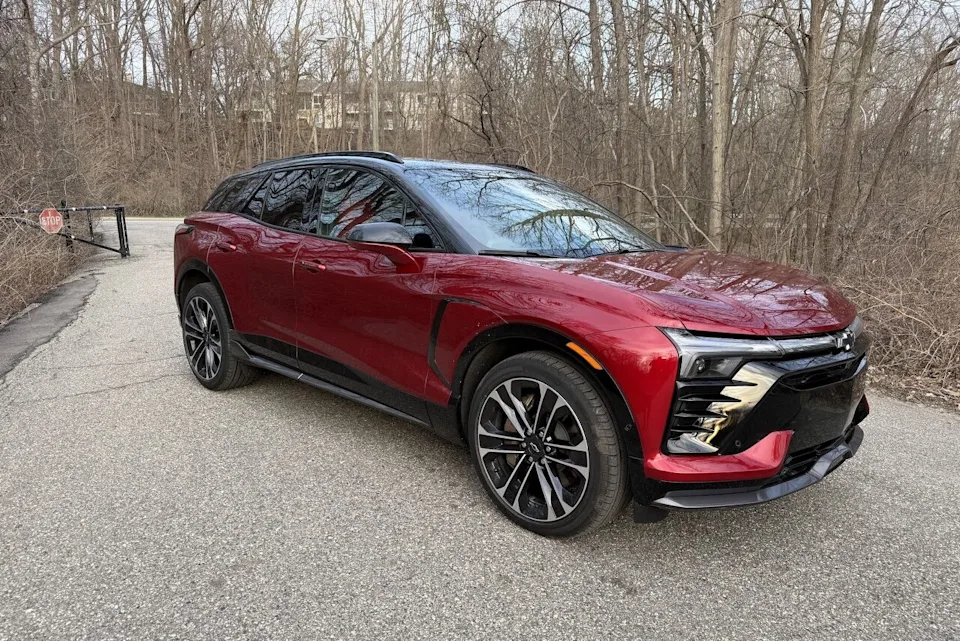
The voluntary recall, initiated October 29, 2026, covers selected Cadillac Lyriq, Vistiq and Celestiq vehicles, along with Chevrolet Blazer EVs. Dealers already have the revised software and will update the brake-system control module at no charge. Owner notification letters are scheduled to be mailed December 14.
Which GM electric vehicles are included
More than 44,000 performance all-wheel-drive Cadillac Lyriqs from model years 2023 through 2027 are covered. Rear-wheel-drive Lyriqs are excluded. The campaign also includes 18,802 Cadillac Vistiqs from model years 2026 and 2027, 82 Cadillac Celestiqs from model years 2025 and 2026, and Chevrolet Blazer EVs from model years 2024 through 2027.
Owners and dealers can identify the action using GM recall number N262570900 or federal campaign number 26V717. The remedy requires a dealer-installed update to the brake-system control-module software; no hardware replacement is identified in the recall information.
What the software can do
The control module monitors wheel movement as part of the vehicle’s management of wheel slip and traction. Under the recalled condition, its software can interpret that movement incorrectly and temporarily interrupt braking at low speed. The condition is brief rather than a permanent or total loss of the braking system, because another pedal application restores normal braking response.
That boundary limits the duration of the failure but not its significance. A driver entering a garage, approaching another vehicle or completing another close-range maneuver may reasonably expect the first pedal application to produce immediate deceleration. Requiring a second press introduces additional reaction time precisely where stopping margins can be short.
GM recorded 24 field complaints dated from February 24, 2024, through June 11, 2026. Those complaints included 20 minor accidents and two minor injuries. The records associate those outcomes with complaints reviewed in the investigation; they do not describe the condition as continuous brake failure.
How GM reproduced the problem
The investigative trail began with an incident involving a 2024 Cadillac Lyriq entering a garage at low speed. A GM technical expert submitted the issue through the company’s Speak Up for Safety program on April 10, 2026. Following preliminary testing, GM opened an investigation in August and reproduced the software problem before authorizing the recall in October.
Reproduction is a critical step in a software-driven safety investigation. Intermittent control faults can be difficult to isolate because the underlying hardware may remain functional and the unexpected response may require a particular combination of sensor inputs and operating conditions. Once engineers can reproduce the behavior, they can revise the control logic and test whether the new calibration handles the same inputs without interrupting the commanded function.
GM also recalled more than 21,000 Lyriqs in 2024 for a comparable brake-software condition involving false detection of wheel slip. The latest campaign is broader, spanning four Cadillac and Chevrolet EV lines, and should be treated as its own recall with its own vehicle coverage and identification numbers.
Why update control matters
Modern vehicles depend on software not only for displays and connectivity but also for chassis functions that directly affect stopping and stability. A calibration change can therefore serve as a safety repair, provided the manufacturer controls the correct software version, confirms compatibility and documents completion for each affected vehicle.
International rules illustrate the systems discipline increasingly expected around such repairs. The United Nations Economic Commission for Europe’s software-update framework calls for manufacturers to track hardware and software versions, identify interdependencies, verify compatibility and assess whether an update affects safe driving. Those requirements are an international regulatory benchmark rather than the basis of this U.S. recall, but they show why software configuration has become part of vehicle safety management.
A separate federal engineering analysis involving 997,743 GM trucks and SUVs equipped with the 6.2-liter L87 V8 has no mechanical connection to this EV brake-software recall. For affected EV owners, the immediate action is narrower and already available: arrange the free dealer update under campaign 26V717 rather than waiting for the December letter.
| More aerospace and engineering stories, right in your MSN feed. Follow AMI on MSN |
By Thomas Caldwell — AMI’s senior editor for mechanical and mobility engineering, covering vehicle electronics, systems integration, electrification, chassis systems, propulsion, and safety policy.