Tesla Sets 2027 Cybertruck Wind-Down as 60,000-Mile Owner Faces Repair Uncertainty
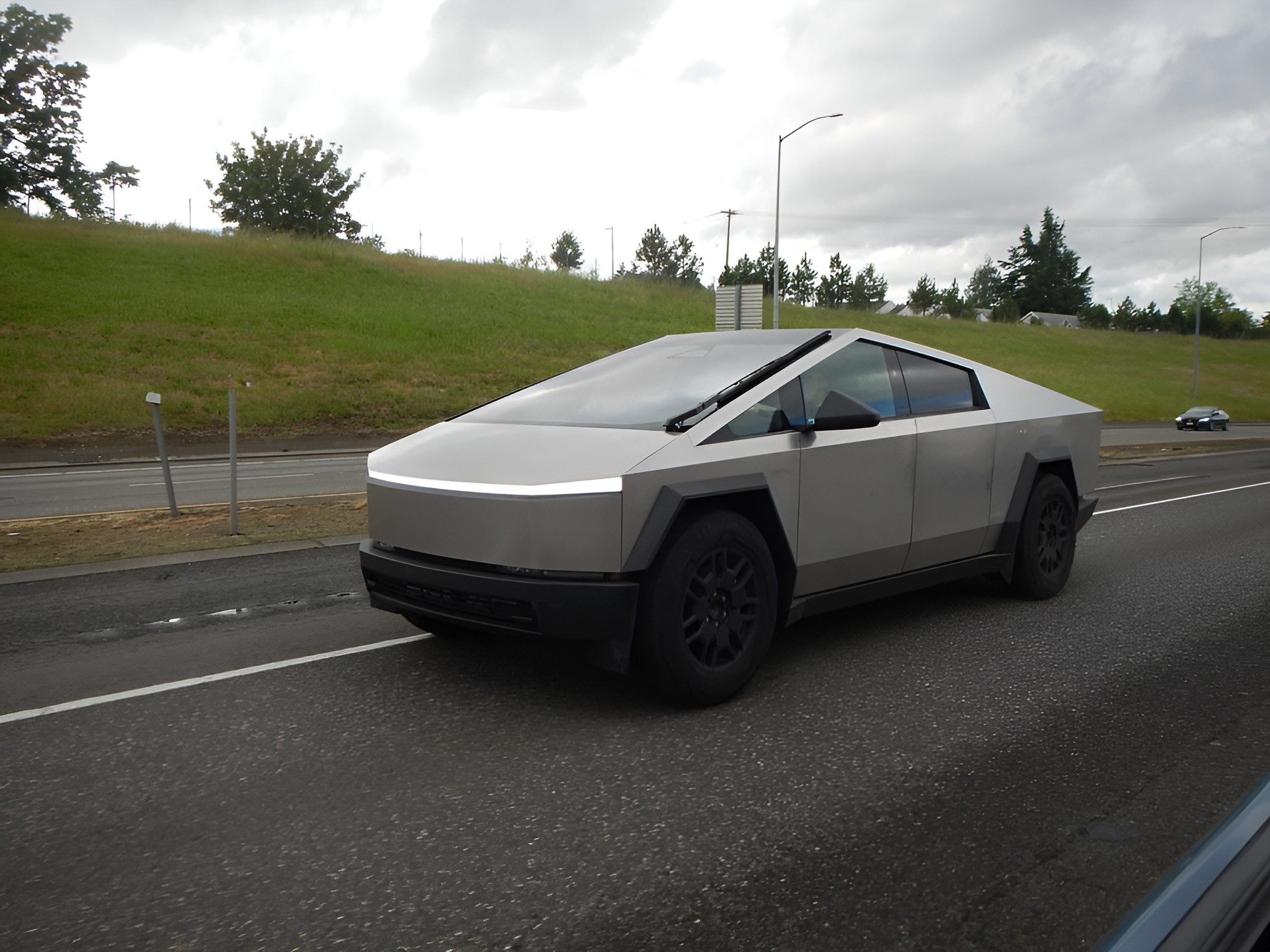
Tesla plans to wind down Cybertruck production in Texas around mid-2027, but the trucks already on the road could require parts and repairs for many years afterward. That tension is especially clear for a Fort Worth-area owner who reports driving his Foundation Series truck 60,000 miles and intends to keep it permanently.

CEO Elon Musk announced on Nov. 6 that production at Gigafactory Texas would wind down around the middle of next year to make room for increased Cybercab output. Tesla has not specified a final Cybertruck order date, identified another production location or explained how it will handle any unsold inventory.
Cybertruck engineering lead Wes Morrill subsequently said Tesla would maintain spare parts and continue service support. That offers current owners a general assurance that the end of Texas production will not immediately end factory support. The statement, however, included no support duration, covered-parts list, collision-parts commitment or service-turnaround standard.
One heavily used truck highlights the mileage clock
The owner says he collected his Cybertruck on Feb. 28, 2024, and reached 60,000 miles by Nov. 6, 2026. Over 982 days, that works out to approximately 1,860 miles per month, or about 22,000 miles annually. He describes it as his favorite vehicle and says he bought it with the intention of keeping it indefinitely.
That individual result demonstrates sustained use, not fleet-wide reliability. The owner has not published a service history, battery-health reading or total repair cost. His report that the original wiper blade lasted almost 60,000 miles supplies one maintenance detail, but it does not establish the truck’s broader repair record.
The mileage nevertheless shows how quickly warranty limits can arrive for a high-use vehicle. Tesla’s current U.S. warranty page lists a four-year or 50,000-mile basic warranty, a five-year or 60,000-mile supplemental-restraint-system warranty, and an eight-year or 150,000-mile battery-and-drive-unit warranty. The battery coverage includes at least 70% capacity retention during the warranty period.
Tesla states that the warranty delivered with an individual vehicle is authoritative, so the owner’s own documents determine his exact coverage. If the currently listed limits applied from his February 2024 pickup, 60,000 miles would place the truck beyond the basic warranty’s mileage ceiling and at the supplemental-restraint-system mileage limit, regardless of the remaining time.
At the same reported driving rate, the Cybertruck would reach 150,000 miles around late 2030. That would exhaust the battery-and-drive-unit warranty’s mileage allowance approximately 15 months before an eight-year anniversary in February 2032. For this use pattern, mileage not age would determine when the major propulsion coverage ends.
Production support and collision repair are different commitments
Ending assembly does not mean every service channel or replacement part disappears at the same time. Morrill’s statement indicates that Tesla intends to continue supplying parts and servicing the installed fleet. It does not define how long that support will last or whether every exterior, structural and mechanical component will remain readily available.
Collision repair is the owner’s stated concern. Routine service can depend on commonly replaced components, while accident repairs may require specific body or structural parts. Tesla’s general assurance does not establish that a required collision component will be immediately available, nor does it promise a repair completion time.
Tesla separately lists warranty coverage for parts bought directly from the company or installed by Tesla Service or a Tesla Collision Center. Its Parts, Body and Paint Repair Limited Warranty generally runs for 12 months or 12,500 miles, with different periods for certain categories. Sheet metal receives limited-lifetime coverage under the listed terms, but a warranty on a supplied part is distinct from a promise that every part will remain obtainable on a particular schedule.
Musk said the existing Cybertruck fleet would remain in use for a long time. Making that possible will depend less on the last day of assembly than on what follows: continued parts production, service capacity and workable collision-repair pathways. For an owner already at 60,000 miles and planning permanent ownership, those unanswered support details will become practical concerns well before the final Cybertruck leaves the Texas line.
| More aerospace and engineering stories, right in your MSN feed. Follow AMI on MSN |
By Thomas Caldwell — AMI’s senior editor for mechanical and mobility engineering, covering vehicle electronics, systems integration, electrification, chassis systems, propulsion, and safety policy.