Controller Guides First-Solo Student Pilot Home During Nationwide FAA Ground Stop
A student pilot was alone over Texas on his first solo cross-country flight when an air traffic controller delivered an unexpected instruction: A nationwide ground stop was in effect, and he needed to land. Ma’am, I’m a student pilot. Honestly, this is my first time doing solo cross-country, and I don’t know what to do, he replied.
The controller gave him the immediate support he needed. She guided the pilot back toward Hicks Airfield near Fort Worth, where he had departed, while routing him around other traffic, including two helicopters. When the pilot asked, “Is there anything wrong with Hicks?” the controller reassured him that there was not. The aircraft landed safely minutes later, according to flight-tracking service FlightAware.
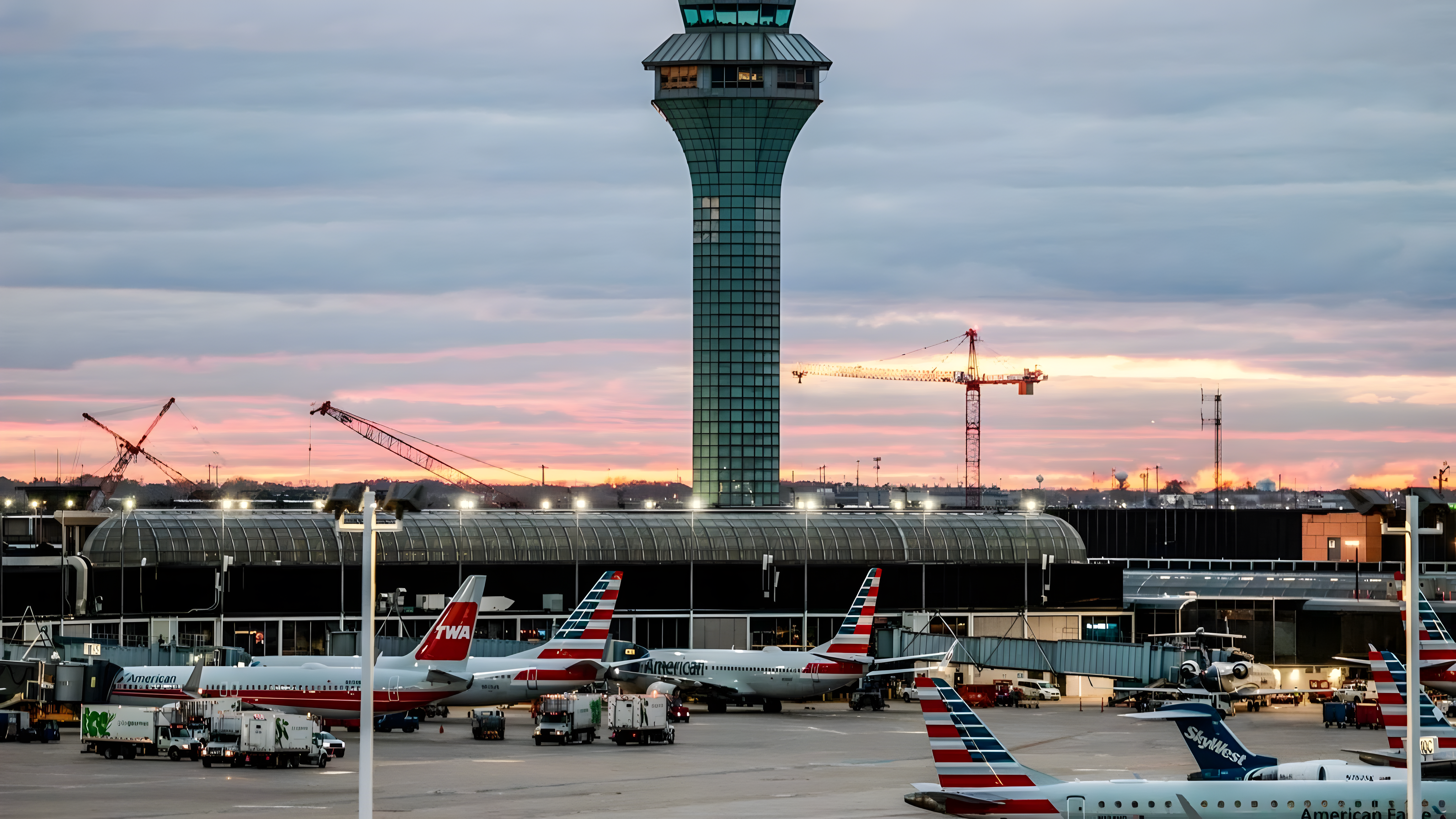
The exchange offered a small-aircraft view of a national disruption that began Friday, Nov. 13. At approximately 3:30 p.m. Eastern time, a technical problem led the Federal Aviation Administration to stop departures across the United States for more than four hours. The agency’s official account of the nationwide ground stop says the system stabilized and air traffic resumed at 8:15 p.m.
A ground stop primarily keeps aircraft from departing; it does not leave airplanes already in flight without a path to an airport. About 4,000 aircraft were airborne when the stop was announced, according to the initial account of the disruption. The FAA’s subsequent update put the number that safely landed at approximately 3,500. All landed safely even as controllers worked with only partial radar and communications capabilities.
For the student pilot, the crucial point was that communication with a controller remained available. The FAA described the failure as network instability rather than a complete outage. Certain radio frequencies and radar feeds continued operating, allowing controllers to communicate with pilots, track aircraft and manage arrivals while departures remained on the ground.
That distinction shaped the controller’s response near Fort Worth. The pilot did not need a technical explanation of the national failure while flying; he needed a clear destination, traffic guidance and reassurance that Hicks remained available. The controller reduced a systemwide emergency measure to a sequence of manageable instructions for one inexperienced pilot.
A first solo cross-country flight is already a controlled step beyond supervised training. Federal rules require a student pilot to receive training and an instructor endorsement before making such a flight. That preparation does not eliminate the workload created by an unexpected nationwide order to land, particularly when the pilot is still building experience away from the immediate supervision of an instructor.
The wider network problem affected 17 of the FAA’s 22 Air Route Traffic Control Centers and spread into several terminal radar facilities. The agency said legacy equipment became unstable as data flooded its telecommunications network at a rate of 1,000 connection attempts every four to five seconds. Investigators identified a radar site in Amarillo, Texas, and a radio communications site in El Dorado, Arkansas, as two potential origins of the excessive traffic.
L3Harris, the network service provider, had been working at the El Dorado site, including deploying a new router. The FAA said blocking the two locations stabilized the network, but the agency and L3Harris continued investigating the root cause. Officials reported no indication of a cyberattack.
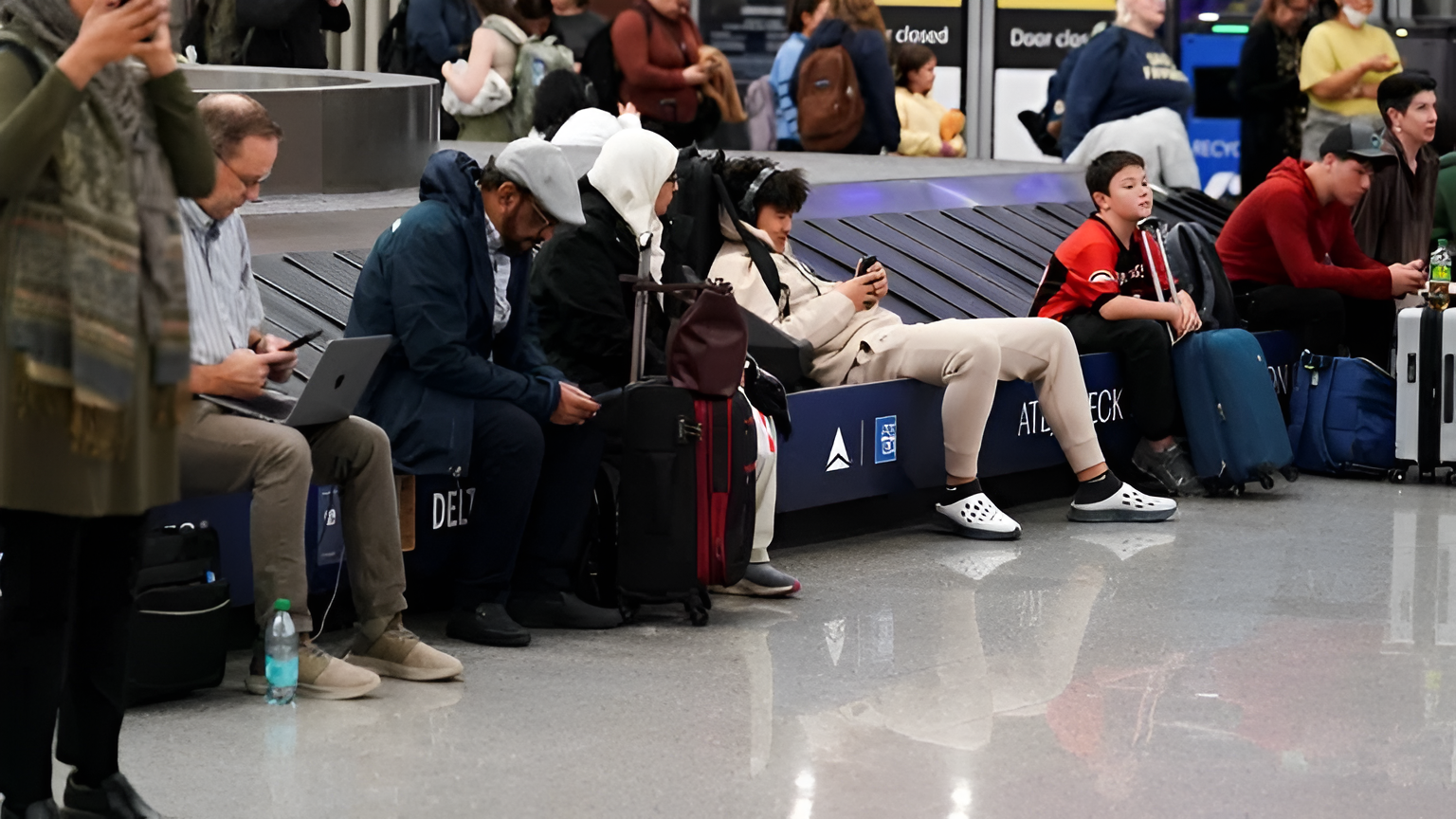
The shutdown still produced a long recovery on the ground. The FAA reported approximately 12,462 canceled flights Friday, although it said not every cancellation was directly caused by the ground stop. Airlines also had to reposition aircraft and crews displaced by the interruption, with normal schedules not expected to return until late Sunday.
The FAA disabled the implicated router function and, as a precaution, turned off the same function on approximately 60 similar routers. It also said it would reevaluate when this kind of remote-site maintenance is performed. Yet the immediate safety result depended on the people still connected through the degraded network: Controllers brought thousands of aircraft down safely, including one student pilot who openly said he did not know what to do and received calm guidance all the way back to Hicks.
| More aerospace and engineering stories, right in your MSN feed. Follow AMI on MSN |
By David Whitaker — Associate editor for AMI’s aerospace and drone systems desk, translating flight systems, aircraft programs, spaceflight, and UAV developments into accessible technical stories.