Lake Powell and Mead Drive Record Hydropower Low; Glen Canyon Has 28-Foot Margin
Twenty-eight feet separated Lake Powell from the elevation at which Glen Canyon Dam can no longer generate electricity at the end of September. That narrow operating margin accompanied a record summer low for hydropower across the Southwest, according to the U.S. Energy Information Administration.

Hydroelectric generation in the region from April through August 2026 was 19% lower than in the same period last year and 28% below the 10-year average. The decline reflects low water levels at Lake Powell and Lake Mead, the reservoirs behind Glen Canyon and Hoover dams.
The immediate constraint is hydraulic head: the vertical distance between a reservoir’s surface and the water’s discharge point through a dam. Greater head supplies more pressure to drive water through the turbines. As the reservoir surface falls, that pressure declines, reducing the power available from a given flow of water and limiting generating capacity well before the reservoir is empty.
Lake Powell is closest to its generating limit
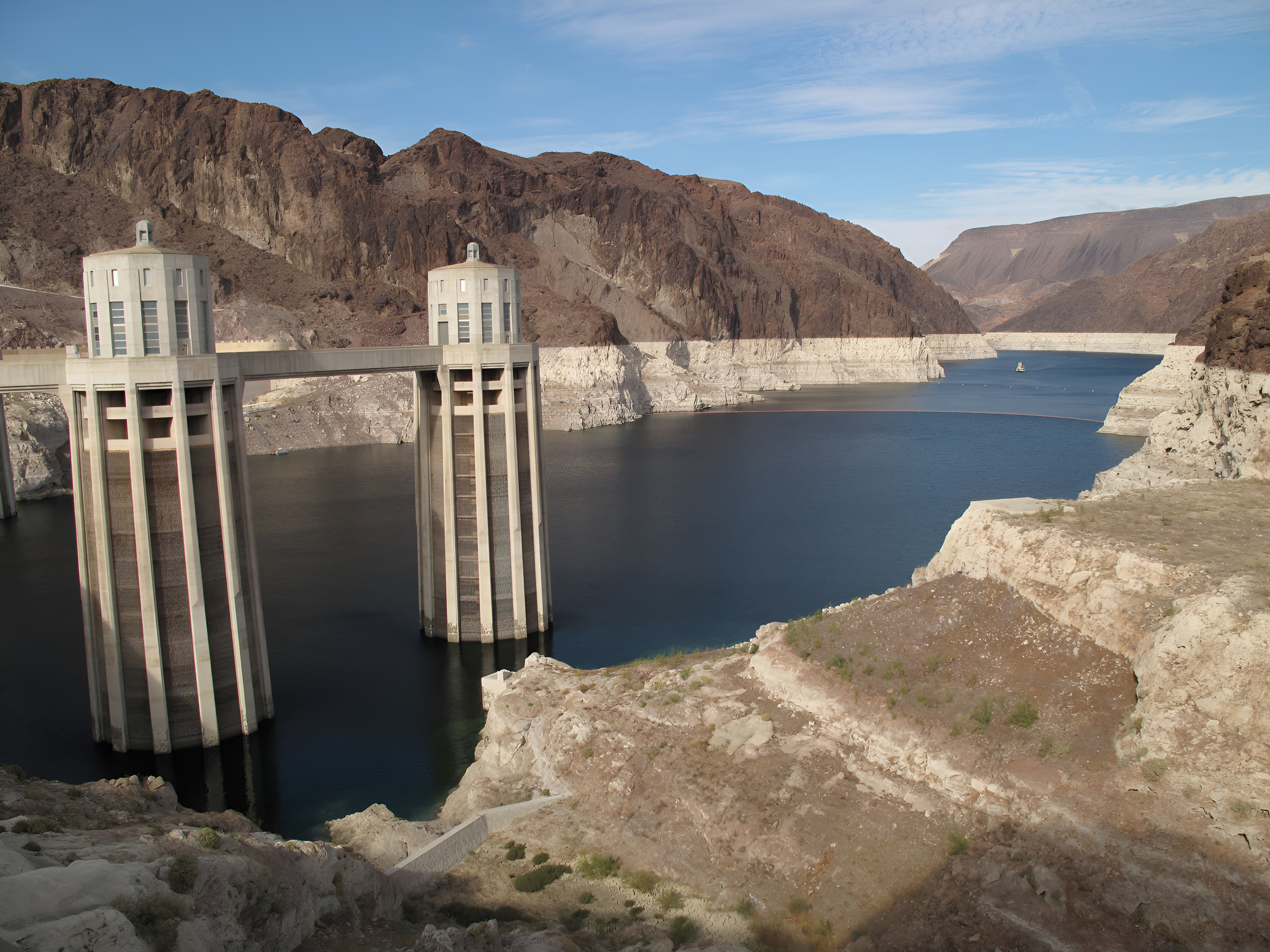
Lake Powell stood at 3,518 feet at the end of September, only 28 feet above Glen Canyon Dam’s minimum power-pool elevation of 3,490 feet. That left the reservoir less than 1% above the stated minimum generating elevation.
Lake Mead was at 1,038 feet, or 88 feet above Hoover Dam’s minimum generating elevation of 950 feet. Hoover therefore retained a larger vertical margin, but both reservoirs were near historically low levels and contributed to the regional generation decline.
Minimum power pool is an operating threshold rather than a measure of whether a reservoir contains water. Glen Canyon Dam’s turbine intakes sit below that threshold, but adequate depth is needed to maintain the pressure and operating conditions required for generation. Reaching minimum power pool would remove Glen Canyon’s hydropower output even while water remained in Lake Powell.
The output loss also involves more than annual energy volume. Hydroelectric plants can change output quickly, allowing them to help meet short periods of high demand and balance changes in other generation. A Congressional Research Service analysis notes that Glen Canyon and Hoover can provide peaking, ramping and grid-restoration services. Other generators can supply those functions, but the power system must have enough flexible capacity available when hydropower is constrained.
Replacement electricity changes the supply mix
The EIA expects Southwest hydropower generation to total 6.13 billion kilowatt-hours in 2026, about 9% below 2025 and 24% below the 10-year average. Its share of regional electricity production is forecast at approximately 4%, down from a peak of 8% in 2011. Generation is expected to remain near 6.1 billion kilowatt-hours in 2027.
When dam output falls, utilities must draw more heavily on natural-gas generation, solar power and electricity imported from neighboring regions. The precise cost effect varies by utility and by its dependence on federal hydropower, but the lost supply is traditionally inexpensive. Federal hydropower is sold at cost, and its turbines do not require purchased fuel. Replacement electricity can therefore expose utilities more directly to fuel costs and market conditions.
Low reservoir levels also create a linked operating problem between the two dams. Officials released water from Flaming Gorge Reservoir to support Lake Powell and reduced releases from Lake Powell to preserve its elevation. Retaining more water upstream can help protect Glen Canyon’s generating margin, but lower releases can affect Lake Mead downstream. California, Arizona and Nevada are required to reduce their combined annual water consumption by 1.25 million acre-feet over the next two years.
Reservoir conditions improved modestly by late September, but the EIA said one wet year would be unlikely to erase the effects of multiple years of basin-wide water scarcity. With Glen Canyon Dam only 28 feet above minimum power pool, each change in Lake Powell’s elevation now carries an increasingly direct consequence for how much low-cost, rapidly adjustable electricity the Southwest can obtain from the Colorado River system.
| More aerospace and engineering stories, right in your MSN feed. Follow AMI on MSN |
By Thomas Caldwell — AMI’s senior editor for mechanical and mobility engineering, covering vehicle electronics, systems integration, electrification, chassis systems, propulsion, and safety policy.