Investigators Examine Recovered Robinson R44 After Fatal Biscayne Bay Photo Flight
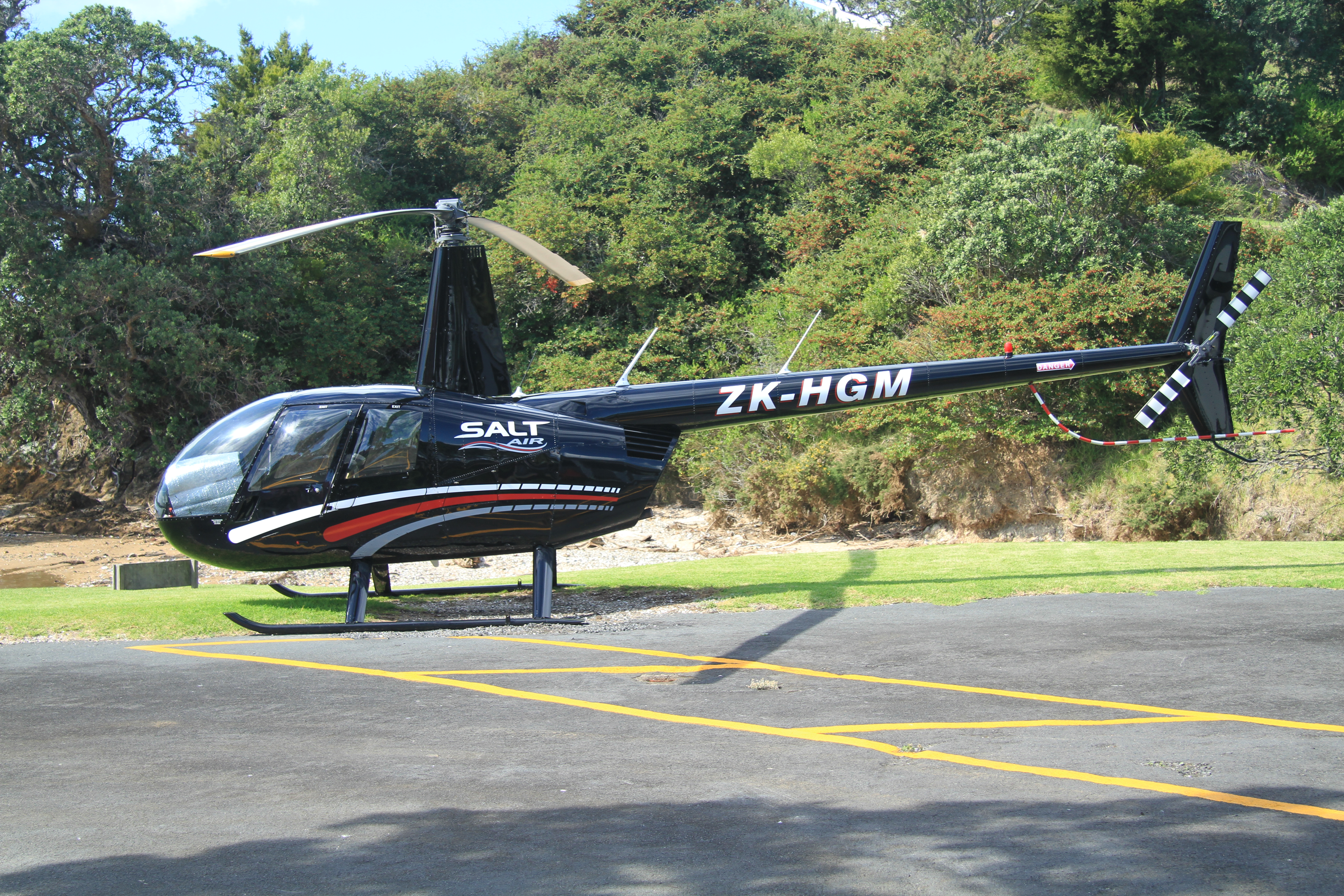
Federal investigators are examining a recovered Robinson R44 after the helicopter crashed into Biscayne Bay near Miami during a photo assignment for the Poker Run speedboat event. Pilot Tomas Pendas, 63, died at the scene, while the two passengers survived with minor injuries. The Federal Aviation Administration and National Transportation Safety Board are investigating, but no cause has been established.

The aircraft’s recovery shifts the inquiry from an emergency response built around witness reports and an approximate timeline to a more controlled examination of physical evidence. The helicopter was removed from the water and was to be taken to a secure location for closer inspection, according to the updated local account of the investigation.
Investigators have a timeline, but not a failure sequence
The NTSB said the helicopter departed North Perry Airport at about 10:10 a.m. Wednesday. The FAA placed the crash at approximately 11:15 a.m. in water east of Miami Executive Airport, and NTSB investigator Gene Rambo said a boat participating in the speedboat event transmitted a mayday call at about 11:20 a.m.
Those times establish the broad progression of the flight, not what happened in the cockpit or aircraft immediately before the water impact. The known facts identify the helicopter type, the departure point, the photo mission and the accident location. They do not identify a mechanical malfunction, pilot action, environmental condition or combination of factors that initiated the crash.
Investigators are examining the pilot’s background, the helicopter’s maintenance history and the conditions surrounding the flight. They are also considering requirements associated with the photo assignment. These are standard evidence categories rather than findings of fault. Each provides a different way to test a possible sequence against records, physical damage and operational information.
Examination after a water recovery can help investigators document the airframe and systems together, identify impact-related damage and compare physical observations with maintenance and flight records. Recovery itself can also complicate the evidence because investigators must separate conditions that existed before impact from damage caused by the crash, immersion or removal from the bay.
A photo mission adds operational questions, not an automatic explanation
Aerial photography is a recognized category of aerial work. A 2017 FAA legal interpretation explains that aerial-photography operations may fall outside the usual commercial-certification framework under a specific exception, generally when they depart from and return to the same location without an intermediate stop. The interpretation also says that some stops can turn a flight into a dual-purpose operation requiring different certification.
Nothing currently available establishes whether that regulatory distinction affected this flight. It does show why investigators must define the mission precisely rather than treating “photo flight” as a complete operational description. The flight plan, intended route, occupant roles, planned landing point and any mission-specific requirements can determine which rules and operating assumptions applied.
Broader aerial-filming safety guidance emphasizes agreeing on shot locations in advance, coordinating with the operator, briefing occupants on emergency procedures and verifying the aircraft’s authorization and required safety equipment for overwater work. Ontario’s helicopter filming guidance likewise calls for safety meetings covering emergency procedures and assigns key event personnel responsibility for coordinating air, ground and emergency safety.
Those practices illustrate the human-factors and systems-integration questions surrounding aerial imaging: the aircraft, pilot, camera assignment, occupants and event activity must function under one agreed plan. They are not evidence that any particular briefing, equipment item or planning step was missing in Biscayne Bay.
The passenger update changed the confirmed outcome
Early accounts described the helicopter’s two passengers, ages 52 and 27, as critically injured. The Miami-Dade Sheriff’s Office later said both sustained minor injuries and had been released from the hospital. Three people were aboard, leaving one fatality and two survivors.
The response involved the Coast Guard, Customs and Border Protection Air and Marine Operations, and Miami-Dade Fire Rescue. Authorities also found an unidentified good Samaritan attempting to save Pendas. The sheriff’s office said it wanted to speak with that person “to thank them for their swift actions and lifesaving efforts.”
The recovered R44 now gives investigators the central physical evidence needed to move beyond the initial timeline. Until its condition, records and operating context are evaluated together, the reason a routine-looking photo assignment ended in Biscayne Bay remains unresolved.
| More aerospace and engineering stories, right in your MSN feed. Follow AMI on MSN |
By Thomas Caldwell — AMI’s senior editor for mechanical and mobility engineering, covering vehicle electronics, systems integration, electrification, chassis systems, propulsion, and safety policy.