Tesla Offers Select Buyers $29,990 Cybercab With $299 Monthly Fee
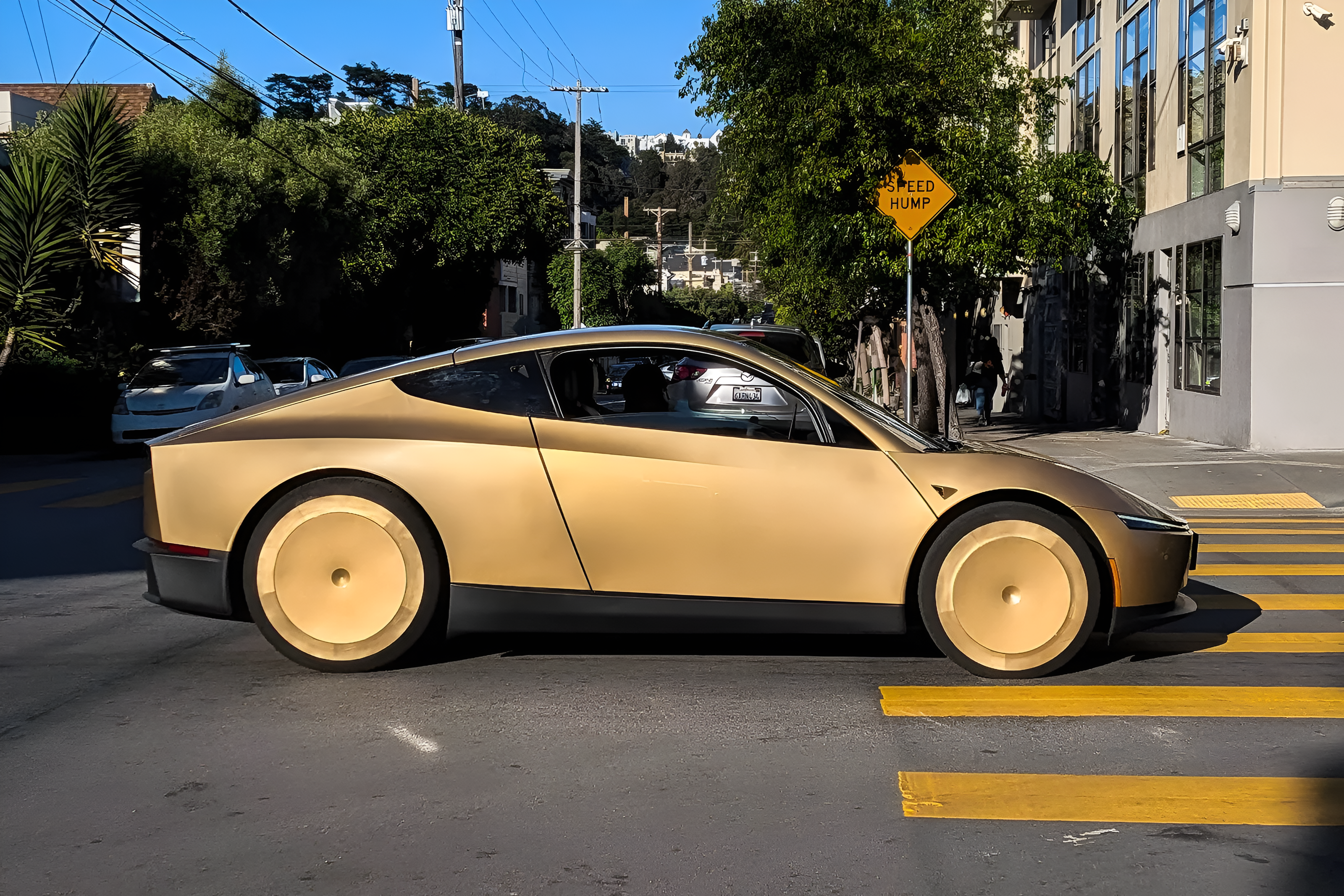
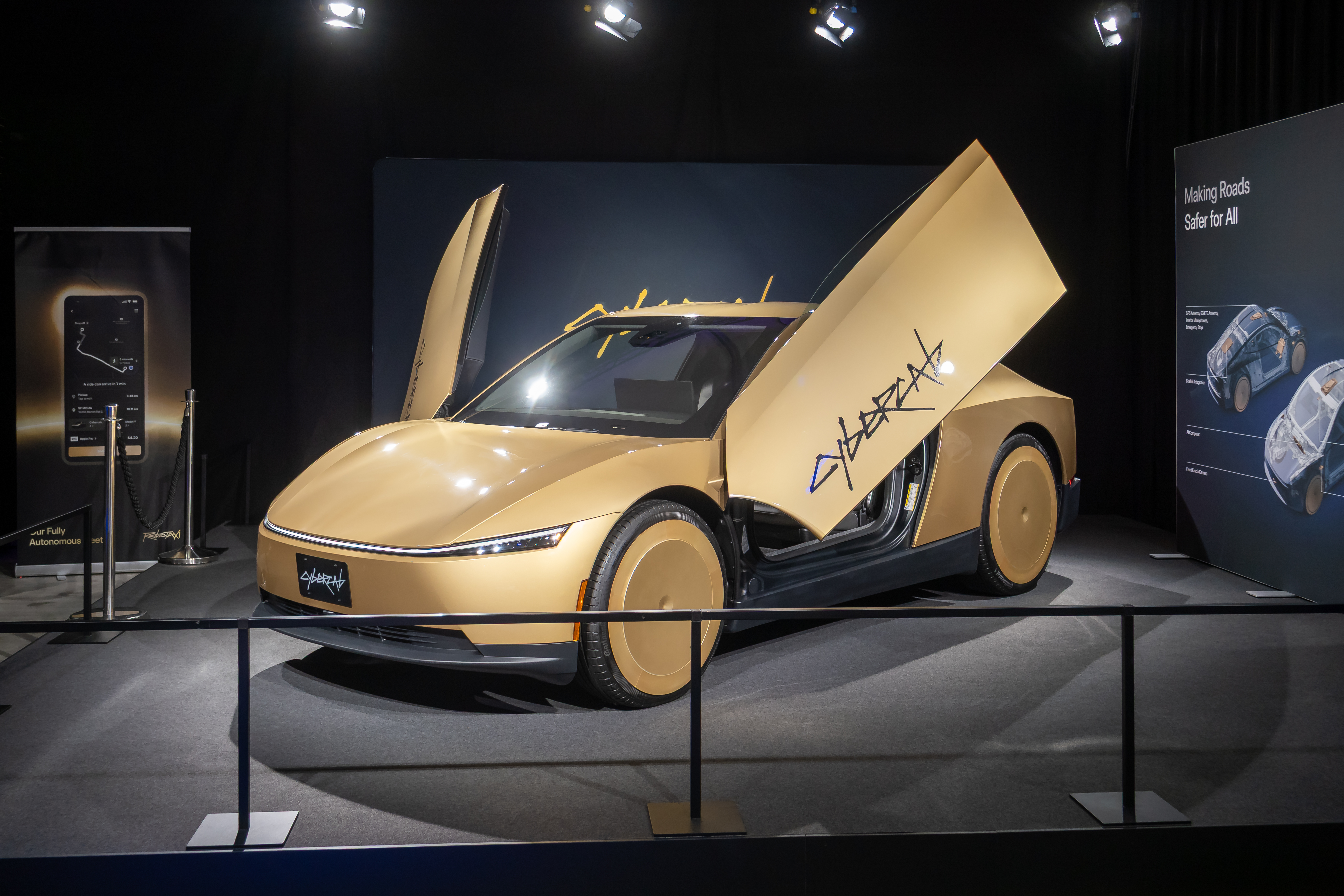
Tesla is inviting select customers to buy its two-seat Cybercab for personal use at $29,990, but purchasing the vehicle would not make its defining capability unrestricted. The proposed Autonomy Subscription costs $299 per month, and Tesla’s Cybercab subscription agreement says the vehicle will not operate without an active subscription.

CEO Elon Musk called the proposed monthly price too expensive. “The monthly fee is too high,” Musk said, adding that it should match the combined cost of Full Self-Driving and connectivity on Tesla’s other vehicles about $115 per month. At the proposed rate, the Cybercab subscription would total $3,588 over 12 months, compared with roughly $1,380 annually at the price Musk suggested.
That recurring charge covers more than autonomous-driving software. Tesla’s agreement includes vehicle connectivity, remote support, roadside assistance and a defined set of maintenance services. Covered work currently includes tire inspections and replacements, tire rotations, windshield replacement, camera-lens cleaning, cabin air filters, wipers, washer fluid and vehicle inspections.
Owners would remain responsible for registration, insurance, parking, charging, cleaning and repairs outside the listed coverage or vehicle warranty. Tesla can change the subscription price with one month’s notice, while features and services may vary according to location, hardware, development and regulatory approval.
Ownership does not remove the operating boundary
The largest constraint is geographic. Tesla AI chief Ashok Elluswamy said Cybercab would operate unsupervised in the same locations as Tesla’s robotaxi service. The subscription terms are slightly more qualified: Cybercab can operate only inside Tesla-enabled robotaxi geofences and other supported limits, and its territory will generally follow the commercial service but may not match it exactly.
Tesla can expand, shrink or relocate those operating areas. It can also restrict operation according to geography, road type, weather or other conditions. Operation outside a supported area is prohibited and may be blocked technologically. Working connectivity, current software and access to a Tesla account are also required; a coverage interruption can limit or stop the vehicle.
This is a more consequential restriction than a typical driver-assistance feature losing availability. Cybercab has only touchscreen manual controls for moving short distances at up to 2 mph, and Tesla says those controls are not intended for public roads. If autonomous operation is unavailable, the vehicle does not become a conventional car that its owner can simply drive home.
Musk said the offering would become available nationwide as Tesla receives regulatory approval. That wording makes approval a condition of expansion rather than confirmation that unrestricted nationwide availability has already been secured. Tesla’s agreement likewise says activation and use depend on development and approval that varies by jurisdiction.
Today’s service map defines the practical starting point
Tesla launched its unsupervised robotaxi service in Austin, Texas, in June 2025. It expanded to Dallas and Houston in April 2026, followed by Miami in July 2026. Those cities establish the current operating footprint identified for the service, while wider personal availability depends on Tesla extending its supported areas and obtaining the necessary approvals.
The invitation also draws a firm boundary between owning a Cybercab and operating a small taxi business. Tesla’s terms designate the privately purchased vehicle for personal, non-commercial use. Owners may not list it on Tesla’s Robotaxi Network or third-party ride-hailing, delivery or rental platforms unless Tesla specifically authorizes that use.
Tesla Vice President of Vehicle Engineering Lars Moravy has said the company aims to begin selling Cybercab robotaxis to the public by the end of 2026. The present invitation moves the purpose-built autonomous vehicle toward that goal, although Tesla has not specified which customers were invited, how many vehicles are available, when deliveries would begin or the complete ownership terms.
For now, the engineering and regulatory package is inseparable from the vehicle itself: the $29,990 purchase buys the Cybercab, but an active subscription, supported connectivity, current software and an approved operating area determine whether it can move autonomously and, in practical public-road use, whether it can move at all.
| More aerospace and engineering stories, right in your MSN feed. Follow AMI on MSN |
By Robert McKinney — Editor-in-Chief for AMI’s automotive and mobility coverage, with a mechanical engineering background and a decade reporting on powertrain systems, EV innovation, and global vehicle manufacturing.