Tesla Cybercab’s $29,990 Price Requires a $299 Monthly Subscription
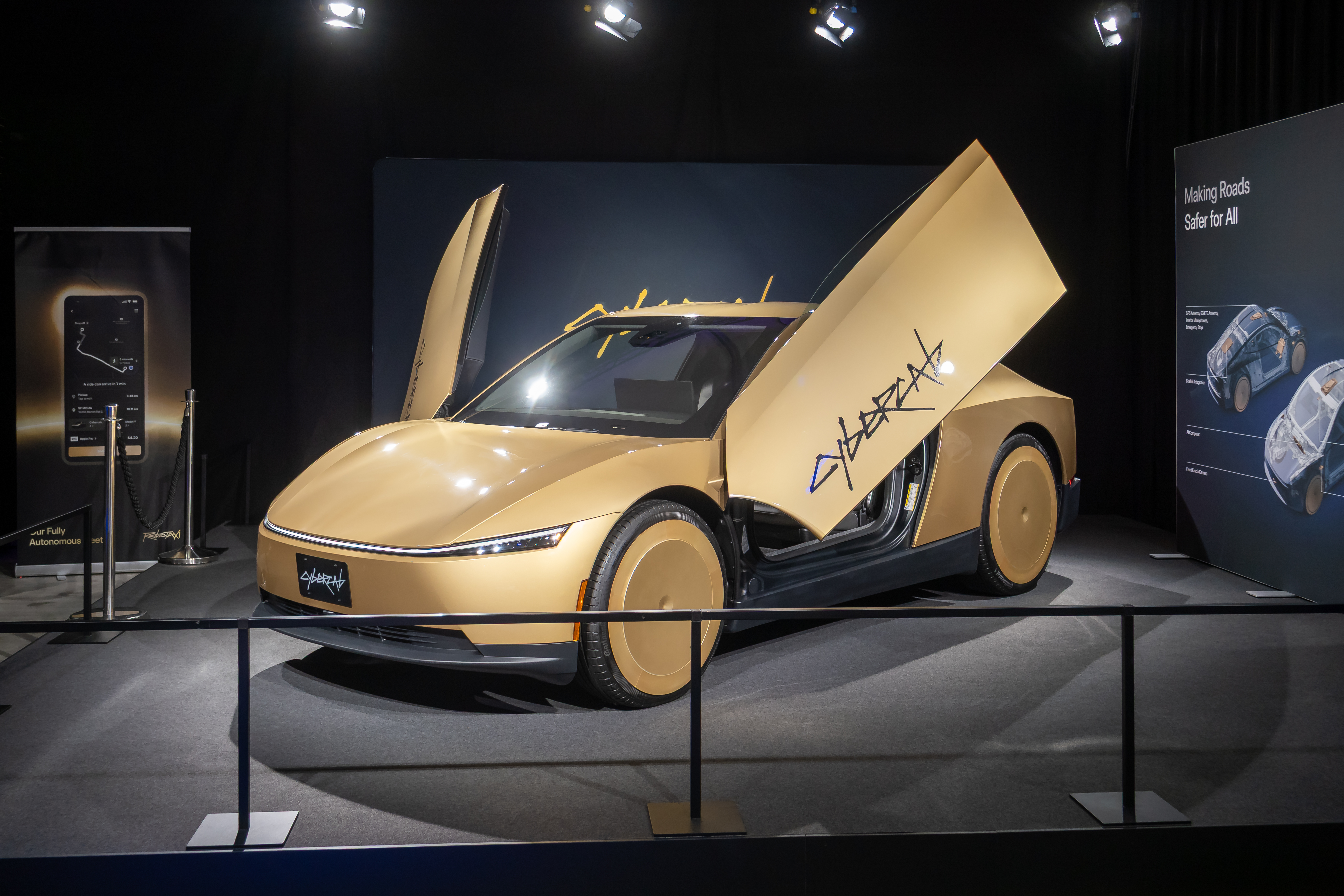
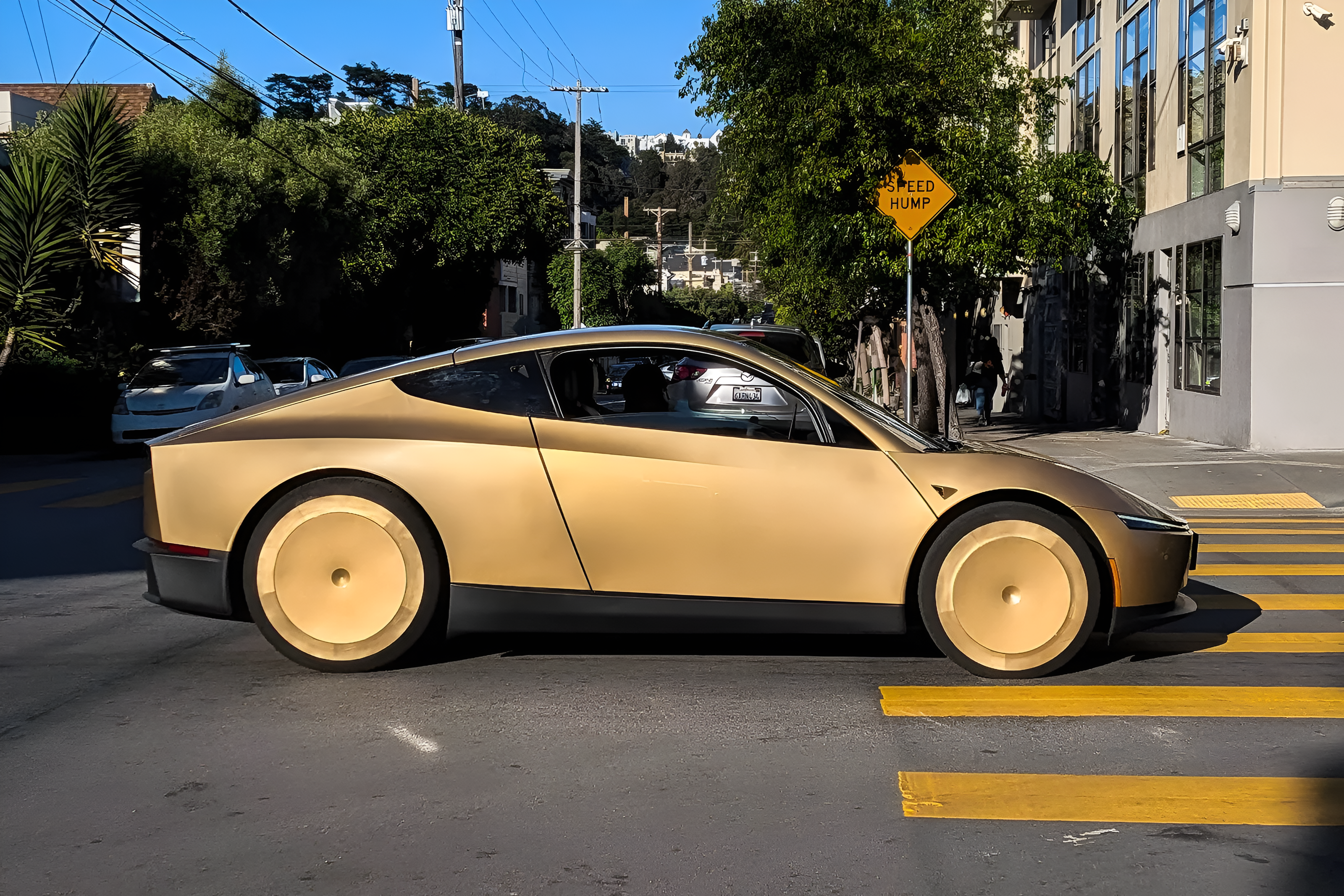
Tesla’s $29,990 Cybercab offer comes with a second price that owners could not avoid: a mandatory $299 monthly Autonomy subscription. That is about Rs 27 lakh upfront and roughly Rs 27,000 each month. Because the two-seat vehicle has no steering wheel, accelerator pedal or brake pedal, letting the subscription lapse would leave an owner without a conventional way to drive it.

Tesla is inviting select customers to buy the Cybercab for personal use, with invitation material showing an estimated December 2026 delivery. The company has not clarified whether these invitations represent confirmed retail orders or an initial step toward broader private sales. Delivery on the proposed schedule also remains uncertain.
Ownership would not mean unrestricted travel
The recurring fee is only one limit in the proposed ownership model. Privately owned Cybercabs would operate within Tesla’s approved Robotaxi territories rather than wherever an owner might want to travel. Tesla AI chief Ashok Elluswamy said they would work unsupervised inside all the same geo locations as Robotaxi, just serving the owners’ needs.
Listed Robotaxi locations include Miami, Orlando and Tampa in Florida, along with Austin, Dallas, Fort Worth, Houston and San Antonio in Texas. The practical boundary is therefore geographic as well as financial: a buyer could own the vehicle but could not manually take control when leaving a supported area. Expansion to additional locations would depend on Tesla establishing service and receiving the necessary approvals.
That structure makes the Cybercab materially different from a conventional car carrying an optional driver-assistance package. In an ordinary vehicle, ending a software subscription may remove assisted-driving features while leaving basic transportation intact. In the Cybercab, the automated-driving system is the driver. The $299 charge about $3,588 over 12 months is consequently tied to the vehicle’s core function, not an added convenience.
It also gives Tesla a continuing operational role after the purchase. Software availability and approved operating territory would determine where the privately owned machine can provide transportation. The buyer would hold the vehicle, but its useful operating envelope would remain connected to Tesla’s autonomy service.
A shift from fleets to selected private owners
The invitations indicate a potential change from Tesla’s earlier emphasis on fleet operators and businesses as the initial route for expanding its Robotaxi network. Selling to selected individuals would place purpose-built autonomous vehicles directly into private ownership, rather than keeping them solely within centrally managed commercial fleets.
Private ownership does not remove the fleet-like constraints, however. A Cybercab would still depend on the same geographic operating areas as Tesla’s Robotaxi service. The model effectively combines a consumer vehicle purchase with the boundaries of a managed autonomous-transport system.
Certification remains an open constraint
The lack of permanently installed manual controls and conventional mirrors is also part of a National Highway Traffic Safety Administration audit query concerning Tesla’s certification process. The agency is seeking technical and certification information after the Cybercab entered commercial Robotaxi service; no new recall is identified in the available information.
Federal rules have begun adapting to vehicles designed without human drivers. NHTSA previously updated occupant-protection standards for automated vehicles without traditional controls, while preserving the requirement that their occupants receive the same level of protection expected in conventional passenger vehicles. In June 2026, the agency also proposed brake-standard changes that would remove manual-control requirements for fully autonomous designs while retaining existing stopping-distance performance requirements.
Those regulatory changes address how a control-free vehicle can be evaluated; they do not by themselves settle the Cybercab’s certification or guarantee private deliveries. Tesla’s invitations therefore outline a possible ownership model rather than unrestricted nationwide availability: $29,990 to acquire the vehicle, $299 every month to make its driving function available, and operation confined to places where the Robotaxi system is approved.
| More aerospace and engineering stories, right in your MSN feed. Follow AMI on MSN |
By Robert McKinney — Editor-in-Chief for AMI’s automotive and mobility coverage, with a mechanical engineering background and a decade reporting on powertrain systems, EV innovation, and global vehicle manufacturing.