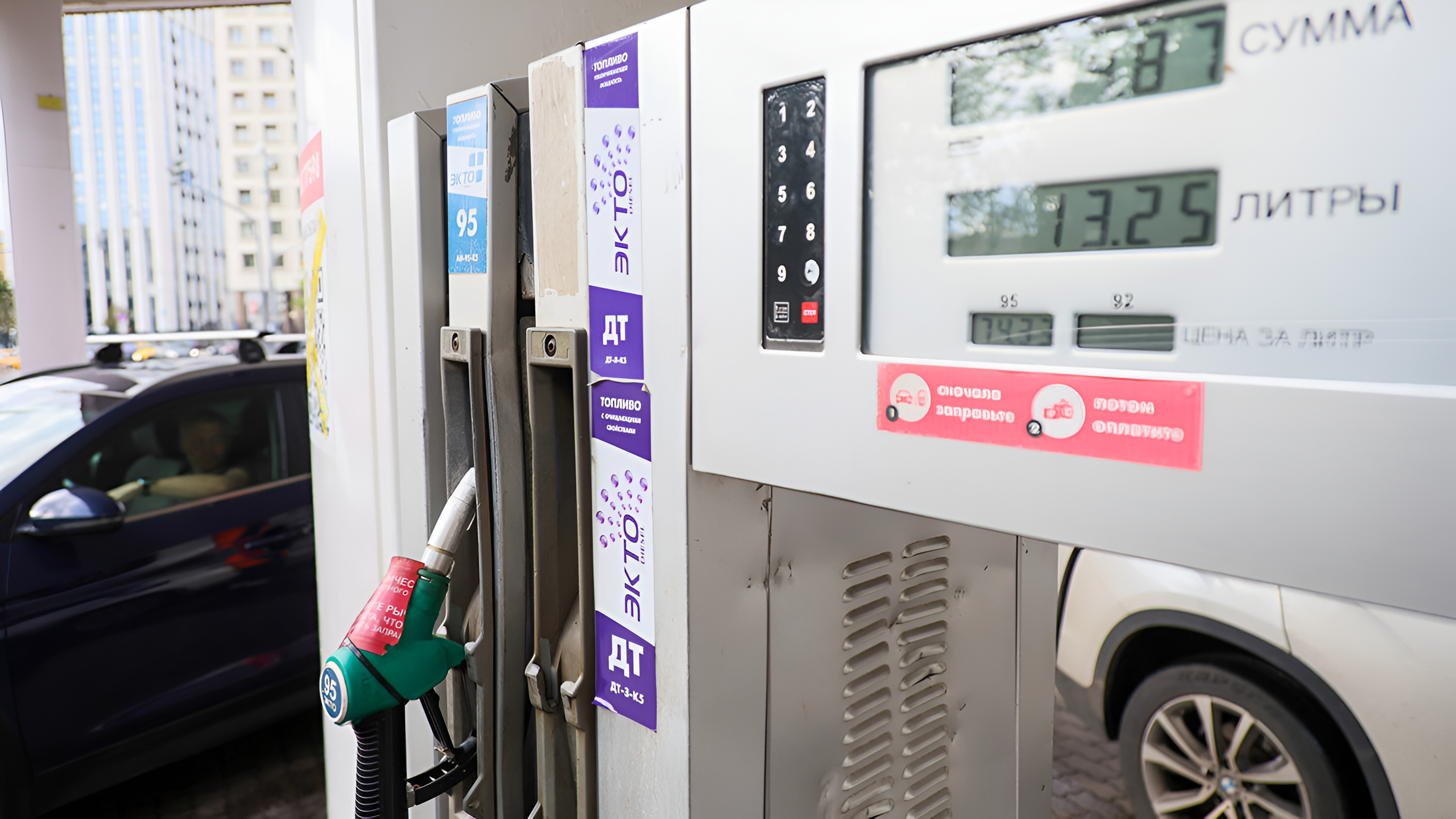
After Ukrainian Drone Attacks, Russian Wholesale Gasoline Sales Fall 31%
A 31% weekly decline is the clearest measure yet of tightening supply in Russia’s fuel-distribution system after renewed Ukrainian drone attacks on major refineries. Exchange gasoline sales fell from 76,740 metric tons to 52,980 metric tons during November 9-13, linking reduced refinery activity with less fuel entering wholesale channels.
The contraction extended across Russia’s common gasoline grades. Sales of A-92 gasoline dropped 33% to 34,260 metric tons, while A-95 sales declined 27% to 18,720 metric tons. Combined exchange deliveries of summer, mid-season and winter diesel fell by a smaller but still consequential 10%, reaching 125,580 metric tons.
At least 10 refineries, including Russia’s five largest, were targeted over the preceding two weeks, according to Reuters reporting. The aggregate figures do not establish how much production was lost at any individual plant, but they show a broad downstream effect: oil companies offered substantially less gasoline through the exchange while retailers reported reduced availability and purchase restrictions.
Refining capacity is approaching domestic demand
The central constraint is the narrowing margin between Russia’s estimated refining throughput and the volume required by its domestic market. RAND Corporation analyst Michael Bonert estimated that throughput had fallen from a prewar level of approximately 5 million to 5.5 million barrels per day to about 3.7 million barrels per day.
Bonert estimated seasonal domestic requirements at roughly 3.2 million to 3.8 million barrels per day. That places current throughput near the upper end of the demand range rather than comfortably above it. At 3.7 million barrels per day, the system has less room to absorb outages, maintenance, transportation delays or mismatches between the products refineries produce and the fuels particular regions need.
Crude-oil availability alone cannot close that gap. Refineries must convert crude into specific products, and gasoline, diesel and other outputs are not interchangeable. Reduced processing therefore creates a manufacturing bottleneck even when crude remains available. Storage can soften a temporary interruption, but inventories must eventually be replenished by operating plants.
The same mechanism is visible in other refining markets. The U.S. Energy Information Administration has documented how lower refinery utilization reduces gasoline and diesel inventories, with the retail effect depending on existing stocks, logistics and how quickly production returns. Russia’s 31% exchange-sales decline is not a direct measure of total national consumption or inventory, but it indicates that less gasoline was moving through a major wholesale channel during the measured week.
Wholesale pressure is reaching filling stations
Station reports compiled through the GdeBenz service and analyzed by economist Janis Kluge suggest that A-92 availability fell from roughly 60% to 50% among reporting stations. Kluge estimated that diesel was available at only 20% of reporting stations. User-submitted data can overstate swings because motorists are more likely to report a station when it has run out, so those percentages are indicators of tightening availability rather than a precise national census.
Rosneft also reportedly imposed fuel-sale limits at its stations across Russian regions following the refinery attacks. Restrictions change how a supply shortfall appears to motorists: instead of every station immediately running dry, retailers can ration remaining stocks, reduce the amount sold per visit or leave fewer locations carrying a particular grade.
Distribution adds another layer of friction. A national refining total does not guarantee that the correct product is available where it is needed. Fuel must leave the refinery, enter storage and travel through rail, road or pipeline networks before reaching filling stations. When wholesale volumes contract sharply, regions with thinner inventories or longer replenishment routes can experience shortages before the national balance indicates a complete deficit.
Repeated attacks create an industrial protection burden
The reported scale also creates a readiness problem extending beyond any single refinery. Protecting a geographically distributed processing network requires sustained surveillance and air-defense coverage while plants continue routine operations, maintenance and fuel shipments. The available figures do not measure interception rates or identify which refinery equipment was affected, but attacks involving at least 10 facilities force protection resources to be spread across a large industrial system.
For the refining network, reliability now depends on more than restoring damaged capacity. Operators must maintain throughput, product quality and distribution flow while facing the possibility of further interruptions. With estimated processing at 3.7 million barrels per day against seasonal demand of 3.2 million to 3.8 million, even modest additional losses could move the system from a narrow operating margin into a clearer domestic supply deficit.
| More aerospace and engineering stories, right in your MSN feed. Follow AMI on MSN |
By Stephen Wallace — Editor for AMI’s aerospace integration and unmanned mobility coverage, focused on drone manufacturing, VTOL systems, autonomous networks, and air-ground mobility links.