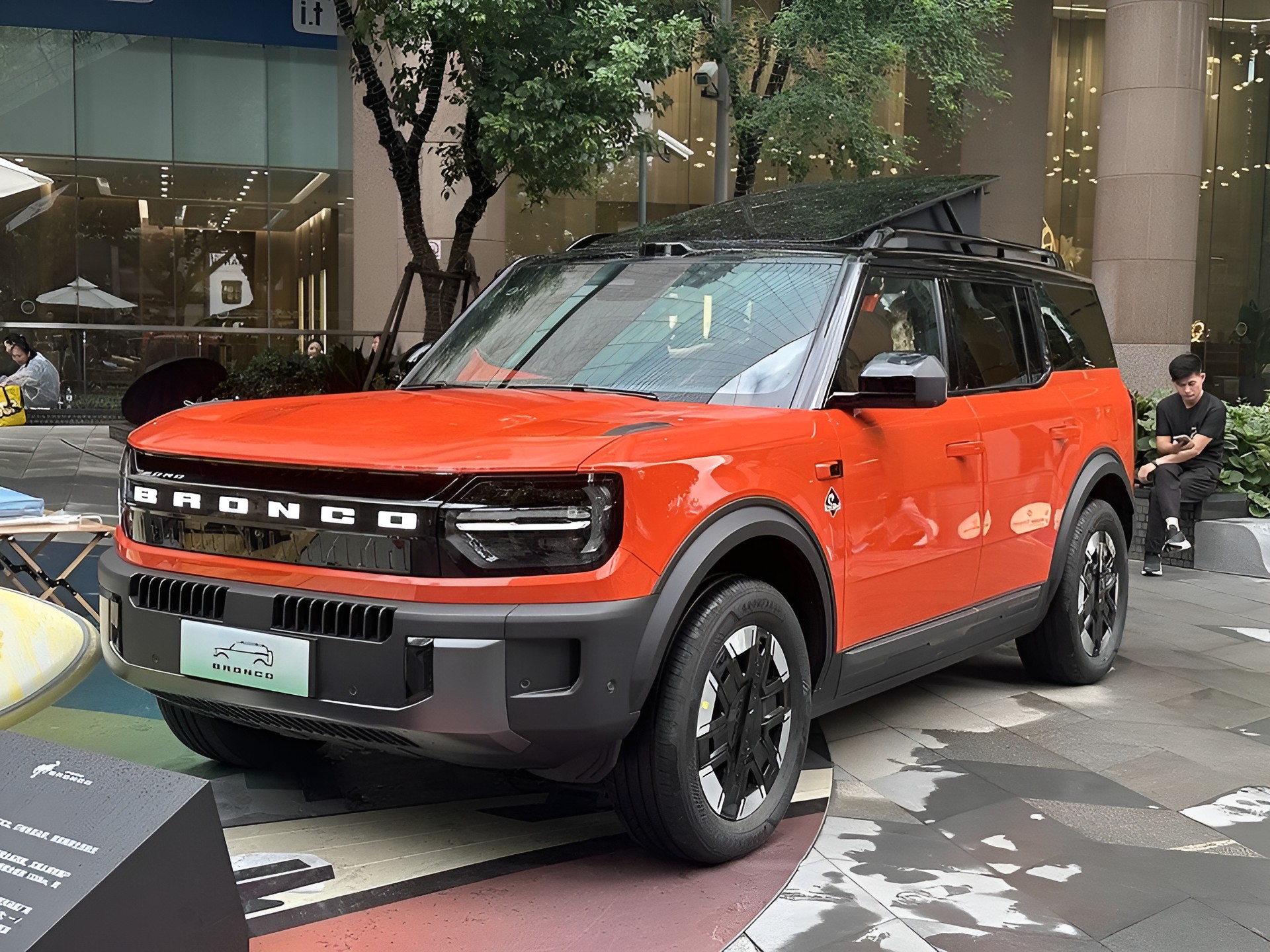
Ford Recalls 4,922 Broncos After Earlier Repairs May Create Drive, Rollaway Risks
Ford is recalling 4,922 model-year 2021-2025 Bronco SUVs because earlier repair work may have left the transmission and transfer case misaligned. The resulting wear could prevent an affected Bronco from engaging Drive, cause it to lose motive power or disable the function that holds the vehicle stationary in Park.

The unusual element is that the condition may have been introduced while the vehicle was being reassembled after previous service. Owners who already brought their Broncos in for repairs could now face another inspection and, where damage is found, replacement of two major driveline assemblies.
Ford began investigating the issue in November and identified misalignment between the transmission and transfer case as the root cause in January. Warranty data was then used to determine which vehicles belonged in the recall population. Ford reported 25 related warranty claims and said it was unaware of accidents or injuries associated with the condition.
How alignment affects the driveline connection
The transmission and transfer case meet at a joint that uses shaft splines to transmit torque. Splines are interlocking teeth formed around a shaft and its mating component. When the two assemblies are aligned correctly, those teeth share the load across their intended contact surfaces.
Misalignment changes that loading. In the affected Broncos, Ford determined that an incorrectly positioned transmission to transfer-case joint can cause the splines to wear prematurely. As that wear advances, the connection may no longer transfer torque reliably.
One possible outcome is that the Bronco will not engage Drive. Another is a loss of motive power while it is already moving. Either condition removes the driver’s expected ability to command propulsion and increases crash risk, particularly if power is lost in traffic.
The same wear can also compromise the parking-pawl function. A parking pawl is the mechanical feature engaged when an automatic transmission is placed in Park. If the driveline connection does not preserve that function as intended, a parked Bronco could roll away. That makes the recall relevant even when the vehicle is stationary, not only when it is being driven.
Inspection determines whether major components need replacement
Ford’s remedy begins with an inspection for evidence of joint misalignment or excessive spline wear. If technicians find the condition or resulting damage, the automaker will replace both the transmission and transfer case.
That inspection-first approach recognizes that the identified Broncos share a repair history, but may not all have progressed to the same level of wear. A vehicle with evidence of damage requires more than a realignment because repositioning the assemblies would not restore material already lost from the splines.
Ford also changed the service process behind the problem. On February 26, 2026, it revised its workshop manuals to “ensure that the transmission and transfer case are properly aligned when they are reassembled during service repairs.” The update addresses future reassembly, while the recall deals with vehicles that may already have been returned to service with an incorrect alignment.
Completion remains the practical challenge for any physical recall. Unlike a software remedy delivered remotely, this campaign requires an owner to bring the Bronco in for inspection and potentially extensive mechanical work. NHTSA has reported that a new recall involving a three-year-old vehicle averages a 68% completion rate, although the agency notes that inconvenience and difficulty reaching current owners continue to leave many recalled vehicles unrepaired.
For Bronco owners, the next step is determining whether their individual vehicle is included and arranging the required inspection when notified. The defining engineering consequence is substantial: a small alignment error at one driveline joint can progress into spline damage severe enough to require replacement of both the transmission and transfer case and potentially affect both propulsion and the vehicle’s ability to remain secured in Park.
| More aerospace and engineering stories, right in your MSN feed. Follow AMI on MSN |
By Thomas Caldwell — AMI’s senior editor for mechanical and mobility engineering, covering vehicle electronics, systems integration, electrification, chassis systems, propulsion, and safety policy.