BMW Recalls 720,796 Vehicles, Says Park Outside After First Fix Fails
BMW’s first repair for a coolant-pump fire risk did not resolve the problem, and its replacement is not ready. The automaker has recalled 720,796 vehicles previously covered by a 2024 campaign, while a National Highway Traffic Safety Administration consumer alert advises affected owners to park outside and away from buildings and other vehicles until their BMWs are repaired.

The warning applies even to affected vehicles that already received the earlier recall work. BMW is developing another remedy, which will be provided free at dealerships, but no timetable for its availability has been given. Initial owner letters are expected to be mailed beginning Dec. 25, 2026, and BMW plans to send another notice when the repair becomes available.
Why the protective shield was not enough
The problem centers on the electrical connection for an electric coolant water pump. Degradation can allow moisture to reach the connector, where it may cause a short circuit and increase the risk of a fire even when the vehicle is parked and switched off.
BMW’s 2024 remedy included a protective shield intended to divert residual fluid away from the pump connector. Some repaired vehicles subsequently experienced further problems, leading BMW to conclude that the shield had not resolved the underlying condition. A barrier intended to redirect external fluid cannot provide a reliable remedy if moisture still has another path into a degrading or insufficiently sealed connection.
This is the important systems distinction in the repeat recall. The first repair attempted to control the connector’s exposure, but the continuing incidents showed that its protection was not robust across the affected population and operating life. BMW must now develop a remedy that addresses the moisture path reliably rather than depending on the earlier add-on alone. The company has not yet disclosed what components the new repair will replace or modify.
BMW says the condition is expected to affect less than 0.1% of the recalled population. That small estimated incidence does not eliminate the need for the broad campaign: a vehicle-level recall population is defined by the shared defect exposure, while the actual failure may depend on component degradation, moisture and time. The park-outside instruction reflects the potential consequence and the fact that the short circuit can occur while a vehicle is unattended.
Which BMW lines are covered
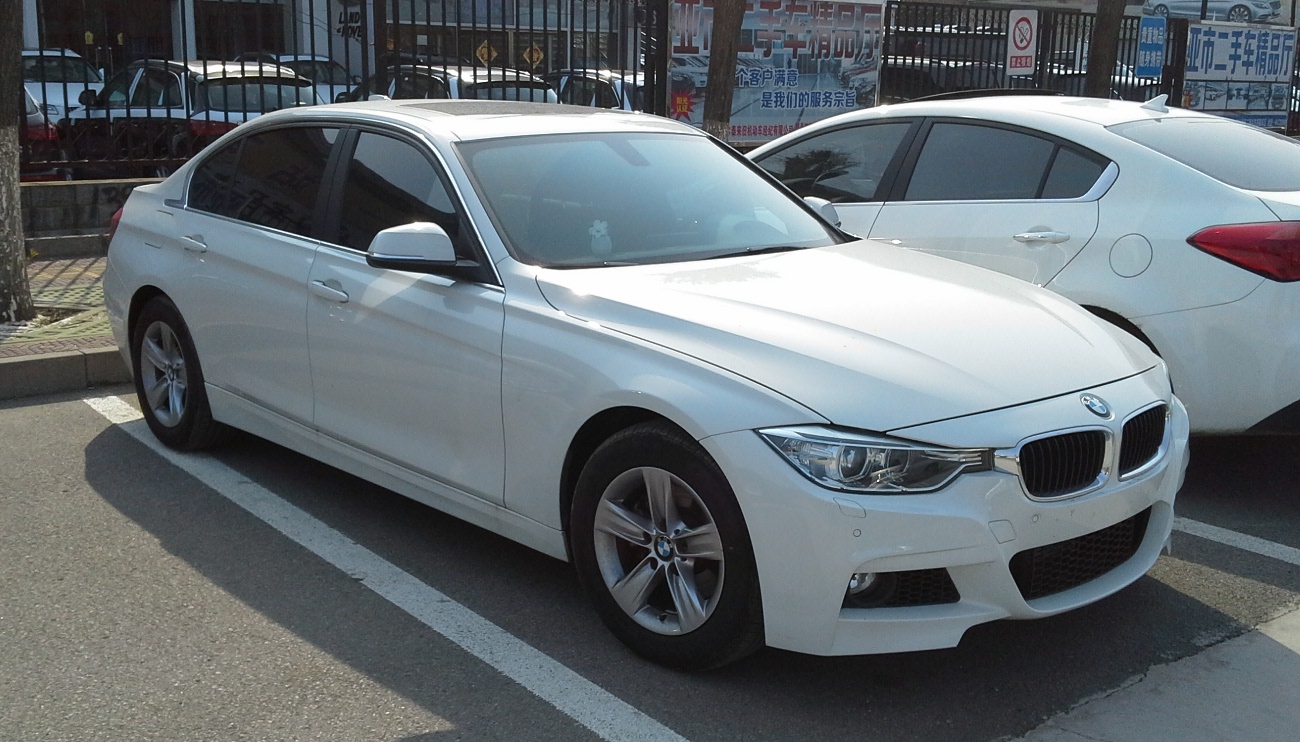
NHTSA says the action spans 53 models over multiple model years. Its consumer list includes certain 2012-2016 BMW 3 Series, 5 Series and Z4 vehicles; 2012-2015 X1 vehicles; 2013-2017 X3 vehicles; 2014-2016 2 Series coupes, 3 Series Sports Wagons, 328xi Gran Turismo models, and 4 Series coupes and convertibles; 2015-2016 2 Series convertibles and 4 Series Gran Coupes; 2015-2018 X4 vehicles; and 2016-2018 X5 xDrive40e vehicles.
Those model-line and year ranges do not mean every example is recalled. Owners will need to check the individual Vehicle Identification Number or license plate. Affected vehicles are expected to become searchable through NHTSA’s recall lookup beginning Dec. 25. Owners can also contact BMW customer service at 1-800-525-7417.
BMW is aware of approximately 10 U.S. incidents that relate or may relate to the condition, involving smoldering or overheating. All occurred in vehicles repaired under the earlier campaign. BMW is unaware of associated crashes or injuries.
Under the federal recall framework, manufacturers select and provide their remedies, while NHTSA monitors whether campaigns adequately address safety defects. A repeat recall creates an additional human-factors challenge: owners who already completed one repair must recognize that their vehicles require another, and that the previous dealership visit does not remove the current parking precaution.
The next decisive milestone is therefore not the mailing of the first notice but completion of a replacement remedy. Until BMW defines that repair and makes it available, affected owners remain responsible for an unusual precaution keeping vehicles outside and separated from structures because the protection installed during the first campaign did not reliably contain the risk.
| More aerospace and engineering stories, right in your MSN feed. Follow AMI on MSN |
By Thomas Caldwell — AMI’s senior editor for mechanical and mobility engineering, covering vehicle electronics, systems integration, electrification, chassis systems, propulsion, and safety policy.