


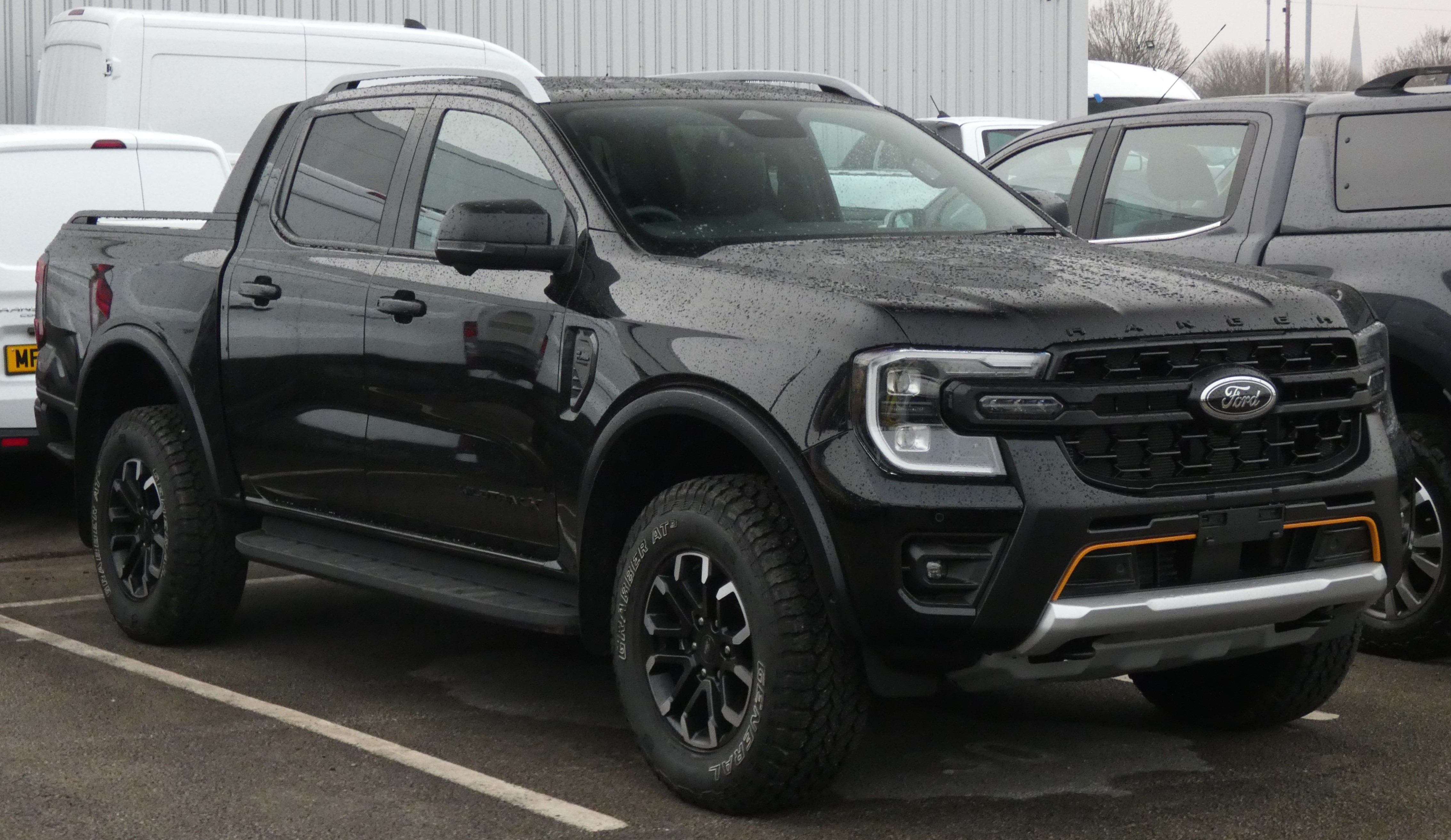
Ford Ranger Screen Recall Delays Backup-Camera Repair Until Early 2027
Certain 2026 and 2027 Ford Rangers in Brazil can lose their backup-camera image and screen-based climate controls without warning, yet owners cannot schedule the free repair. Ford says the remedy is expected to reach dealerships in the first quarter of 2027, with a second notice to follow when appointments become available.

The recall covers specified Ranger Black, XL, XLS and XLT pickups fitted with the 10.1-inch SYNC 4 center display. The screen may unexpectedly turn black or white, taking several functions with it: the reversing image, audio, navigation, phone mirroring and air-conditioning controls accessed through the infotainment system.
The immediate safety concern is the missing view behind the truck. Loss of the reversing image reduces the driver’s field of view and may increase collision risk during low-speed maneuvering. While owners await the repair, Ford advises drivers not to rely solely on the screen when reversing and to use their mirrors and any available parking-sensor alerts.
Production dates and chassis numbers determine eligibility
Model year alone is not enough to establish whether a Ranger is covered. For the 2026 model year, the campaign applies to pickups assembled from March 17 through April 15, 2026, with chassis numbers ending from TJ039053 through TJ063160.
The covered 2027 model-year batch was assembled from April 15 through August 18, 2026, with chassis endings from VJ010526 through VJ080242. Both groups were built at Ford’s Pacheco plant in Argentina for sale in Brazil.
Qualifying XL work trucks are included, including vehicles that received a backup camera after purchase. Owners can check their recall status through the Ford app, by contacting Ford’s Brazilian customer service center at 0800 703 3673 or by asking a Ford dealership to verify the chassis number.
Ford has not disclosed the total number of affected pickups. It also has not specified whether the eventual remedy will involve software, the display itself or another component, so the campaign currently defines the symptom, covered production ranges and expected repair window without identifying the repair procedure.
One display carries several dependencies
The breadth of the disruption reflects how functions have been consolidated within the Ranger’s center interface. The reversing camera, entertainment and connectivity features all depend on the display to present information. Climate settings are also accessed through SYNC 4, meaning one unavailable interface can simultaneously remove a safety aid and several everyday controls.
This is a systems-integration tradeoff rather than merely an infotainment inconvenience. Consolidation can reduce dashboard clutter and provide a common, updateable interface, but it also creates a shared point of dependence. If a dedicated audio screen failed in an older architecture, the climate controls and reversing view might remain available through separate hardware. In the recalled Rangers, the center display connects those functions from the driver’s perspective, so its loss has a much wider operational effect.
Independent human-factors research adds context to that design choice. A 2026 review of 73 studies on in-vehicle touchscreens found that touch interfaces generally produced worse results than physical or voice controls for visual attention, driving performance and secondary-task performance, although outcomes varied by task. In one on-road climate-control study included in the review, 41% of touchscreen glances exceeded two seconds, compared with 27% for physical controls.
That research did not evaluate the Ranger defect or its repair, and most of the studies concerned secondary tasks rather than essential driving controls. It nevertheless highlights two relevant design considerations: touchscreens typically require visual confirmation, and controls available only through a screen may lack an alternative interface when that screen is unavailable.
For Ranger owners, the practical limitation is more immediate. The recall has opened, but the remedy has not. Until Ford issues its second notification and dealerships receive the fix in early 2027, affected drivers must account for the possibility that the same blank display could remove both the reversing image and routine cabin controls at once.
| More aerospace and engineering stories, right in your MSN feed. Follow AMI on MSN |
By Thomas Caldwell — AMI’s senior editor for mechanical and mobility engineering, covering vehicle electronics, systems integration, electrification, chassis systems, propulsion, and safety policy.




