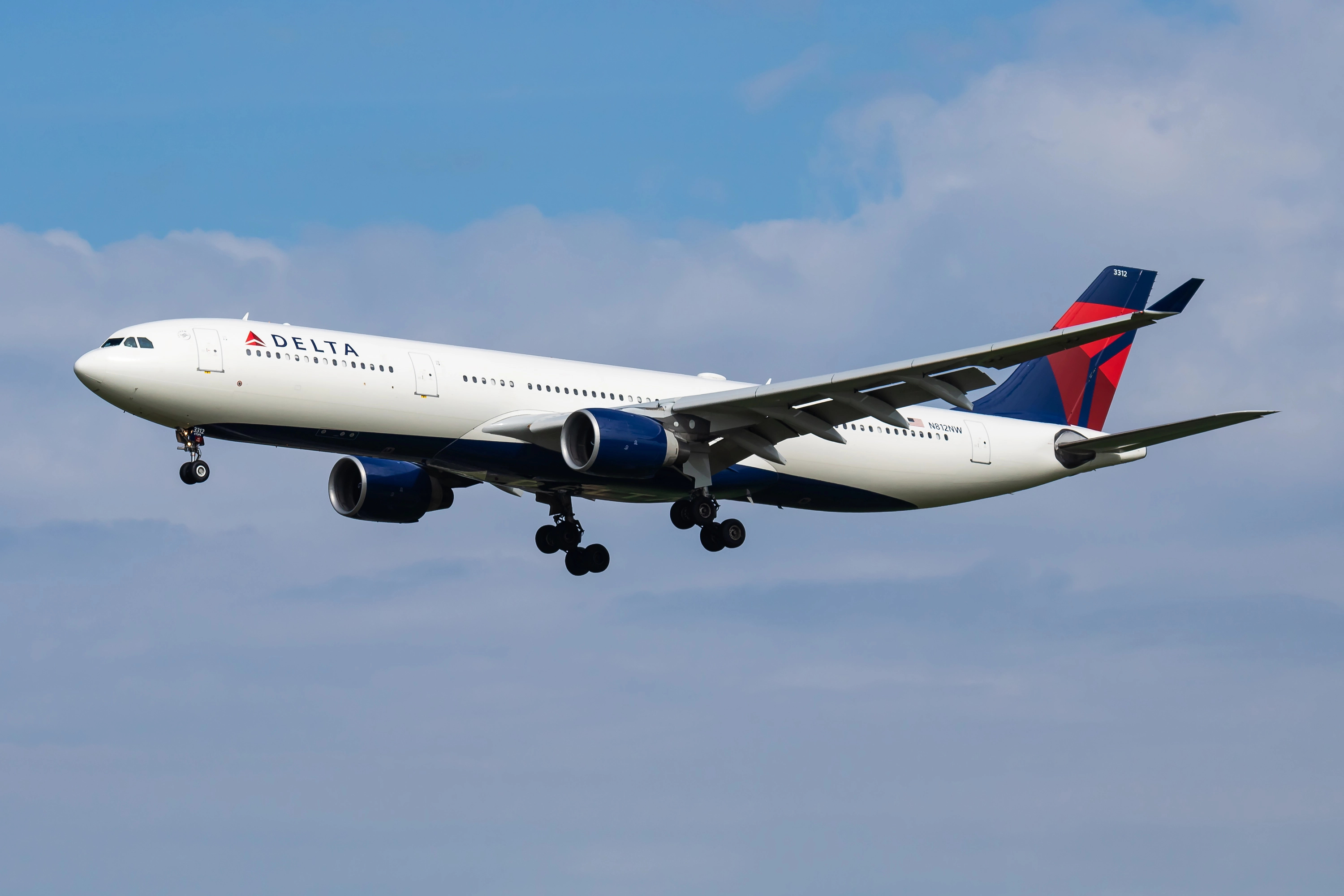
Delta Restores Aircraft Loading System After More Than Half Its Flights Delayed
More than half of Delta Air Lines flights had been delayed by 9:30 p.m. ET Sunday, November 22, after the airline lost automation used to calculate aircraft weight and balance before departure. Delta restored the system later Sunday, but 6% of its flights had been canceled and the airline warned passengers that residual disruption could continue into the busy Thanksgiving travel period.

Delta attributed about 70% of Sunday’s schedule changes to the automation problem. The failure forced employees to use slower manual procedures, including counting bags and preparing loading reports for flight crews, so aircraft could depart safely. It is a clear example of how one centralized operational system can constrain a large airline network even when a safe fallback remains available.
Weight and balance is a required departure function, not an administrative convenience. The calculation verifies that an aircraft is within allowable weight limits, that passengers, baggage and other loads are distributed properly, and that crews have the correct takeoff settings. The Federal Aviation Administration describes compliance with aircraft weight-and-balance limits as critical to flight safety.
Why manual processing slows departures
Delta plans baggage-loading instructions through its Atlanta Operations and Customer Center using the Automated Load Instruction System, known internally as ALIS. During the outage, an unidentified ramp employee told a pilot that the normal ramp worksheet was unavailable, so workers were manually counting bags and producing a report for the crew.
That workaround preserved the safety function, but it changed the amount and pace of work required for each departure. Automated processing can organize loading information and deliver the required instructions consistently. Without it, employees must collect and communicate the relevant information manually before loading and departure can be completed. The added handling time becomes consequential when repeated across many aircraft scheduled within the same operating window.
The outage therefore affected more than an isolated computer task. Ramp loading, flight crews and dispatch-related processes all depend on the completed calculation. If that information arrives late, an aircraft can remain at the gate even when its passengers, crew and airport facilities are otherwise ready. Delays can then persist as aircraft and crews reach later flights behind schedule.
The problem was especially visible at Hartsfield-Jackson Atlanta International Airport, Delta’s largest hub. An hourslong ground delay applied to Delta flights there before an FAA advisory ended it at about 11:30 a.m. ET. The FAA said the disruption was unrelated to its air traffic systems, and an airport spokesperson said the ground delay affected Delta rather than the airport as a whole.
FlightAware data showed that more than 60% of flights departing Atlanta were delayed Sunday evening, while approximately half of arriving flights were delayed. Those airport-wide figures did not identify how many affected flights were operated by Delta, but they show the difficult operating environment at the hub as the airline worked through its schedule.
Restoration does not immediately restore the timetable
Once Delta returned the automated calculations to service, its teams still had to complete a schedule already altered by earlier holds, manual processing and cancellations. The airline said cancellations were a last resort after other options had been exhausted and focused on operating the remainder of Sunday’s schedule.
The specific circumstances behind the system issue remained unclear after service was restored. Delta did not provide a confirmed technical or cybersecurity cause. What is established is the operational chain: automation became unavailable, employees shifted to manual loading work, departure throughput fell, and delays spread across the network.
The restoration removed the immediate system constraint, but it could not instantly return displaced aircraft, crews and passengers to their planned sequence. For travelers, that meant the consequences could outlast the outage itself. For airline operations, Sunday’s disruption demonstrated the price of a safe fallback: manual weight-and-balance processing can keep departures possible, but at the scale of a major carrier, it cannot necessarily keep them moving at the planned rate.
| More aerospace and engineering stories, right in your MSN feed. Follow AMI on MSN |
By Thomas Caldwell — AMI’s senior editor for mechanical and mobility engineering, covering vehicle electronics, systems integration, electrification, chassis systems, propulsion, and safety policy.