Tesla Cleared Fremont Car Line in 46 Days for Optimus Robots
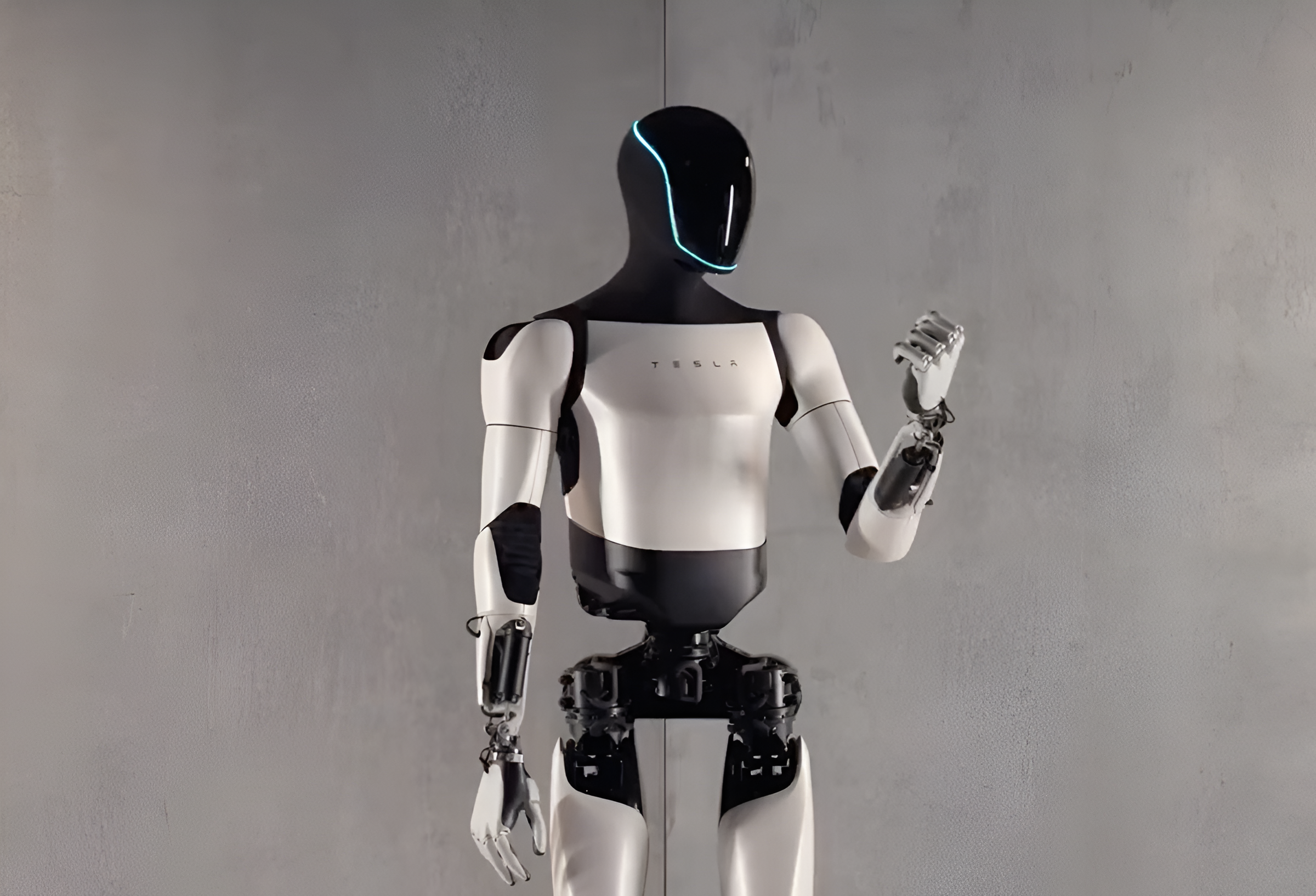
Tesla removed the former Model S and Model X assembly line from its Fremont, California, factory in 46 days, clearing the area for Optimus humanoid robot manufacturing. The last Model S and Model X vehicles reportedly left that line in May, turning a recognizable car-production space into the foundation for a substantially different kind of manufacturing operation.

The July 10 update marked a completed factory-conversion step, not the arrival of mass robot production. At that stage, the cleared floor was intended to receive Optimus assembly equipment, but installation remained planned. The work concerned the former Model S and Model X area rather than the entire Fremont factory, and no increase in robot output from the newly cleared space was reported.
That distinction puts the 46-day teardown in context. Removing an old line creates physical capacity, but a functioning robot factory also requires production machinery, tooling, material flow, controls, testing processes and safety systems. Tesla had committed real factory floor space to Optimus, while the equipment needed to convert that space into productive capacity still had to follow.
Fremont already had an Optimus pilot line
The cleared area was not intended to establish Tesla’s first robot-manufacturing operation at Fremont. The company already operated an Optimus pilot production line there, according to InsideEVs, and increased hiring for the program during the year. The conversion therefore represented a planned expansion around an existing pilot operation rather than a move from no production activity to a completed high-volume factory.
That progression matters in manufacturing. A pilot line can help engineers refine assembly sequences, tooling access, quality checks and component handling before committing those processes to a larger installation. It does not, by itself, establish the output, yield or repeatability of a scaled line. The cleared automotive area gives Tesla room to expand, but floor space alone does not determine how quickly robots can be built.
CEO Elon Musk said earlier in the year that the planned factory would eventually produce one million robots annually, without providing a firm date for reaching that rate. The target described the intended scale of the operation, not its production status when the old car line was removed. At that point, Tesla had prepared the floor while equipment installation and higher output remained ahead.
A later company update moved the project beyond that initial state. In October, Musk said Tesla had started “early production” at Fremont and installed the “vast majority” of a line designed for annual capacity of one million units, according to Manufacturing Dive. He said reaching that rate would probably take a year or longer as Tesla worked through production configurations. That update still separates installed capacity from sustained annual output: a line designed around a million-unit goal has not necessarily demonstrated that rate.
Installation is more than placing machines
Robot production also presents an unusual systems problem because robots are both the product and part of the factory environment. Assembly equipment must work with fixtures, conveyors, controls, sensors, power sources and inspection processes. Each station has to fit the product design while allowing workers to load parts, test assemblies, correct faults and perform maintenance.
Federal workplace-safety guidance for industrial robot systems treats installation and commissioning as application-specific work. It calls for risk assessment across assembly, integration, testing, operation and maintenance, followed by verification of safeguards and safety functions before startup. The guidance does not assess Tesla’s installation, but it illustrates why a cleared floor is an early milestone rather than proof of production readiness.
Tesla’s Fremont conversion has consequently passed through several distinct stages: the final cars left the former line, demolition cleared the area in 46 days, and later installation supported early Optimus production. The remaining test is sustained scale. One million robots per year is still a future production rate rather than a demonstrated result, and Tesla has not attached a firm completion date to that goal.
| More aerospace and engineering stories, right in your MSN feed. Follow AMI on MSN |
By Jonathan Barrett — Editor for AMI’s future mobility and autonomous systems section, with two decades covering robotics, e-mobility, drone-vehicle convergence, and transport mechanical systems.