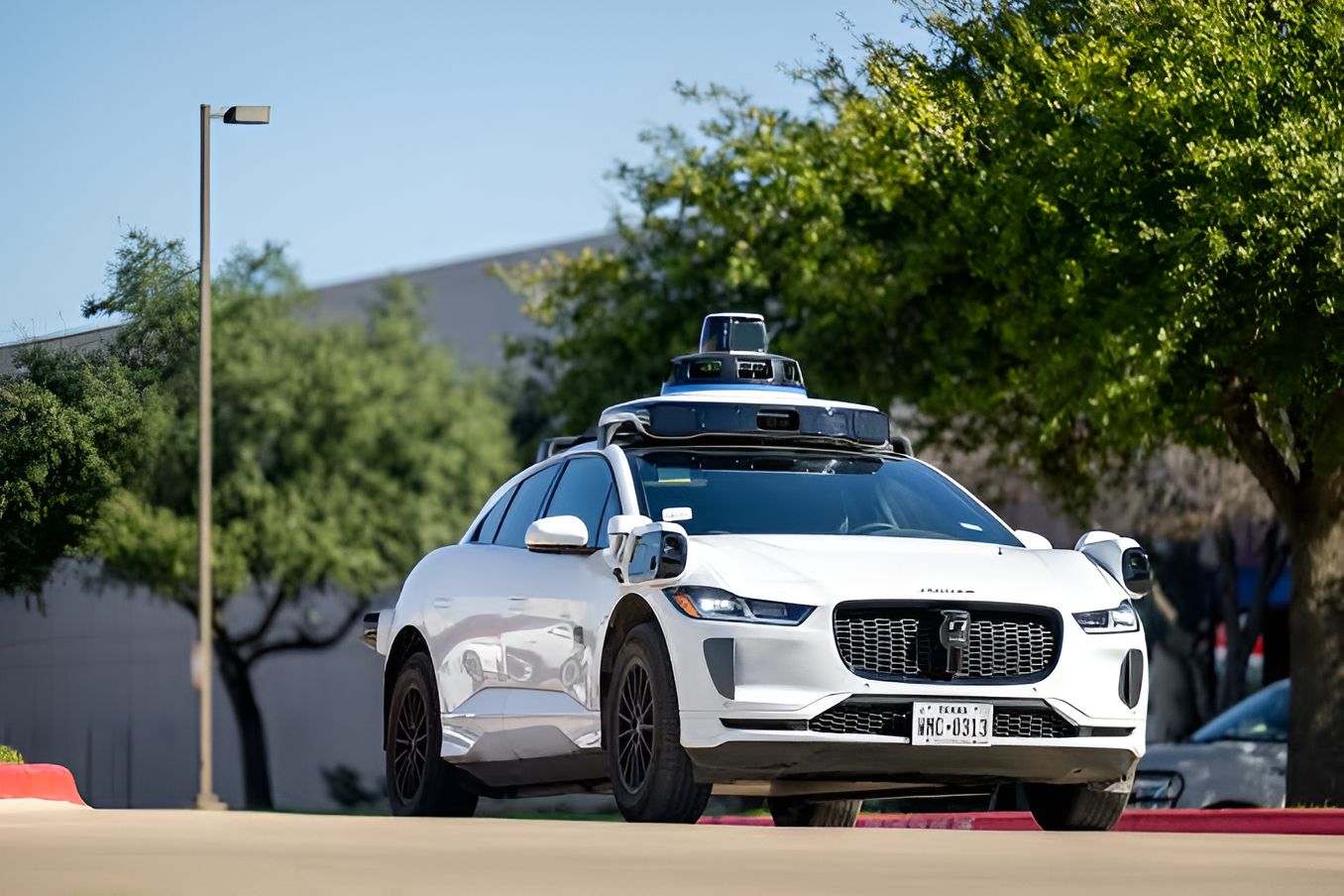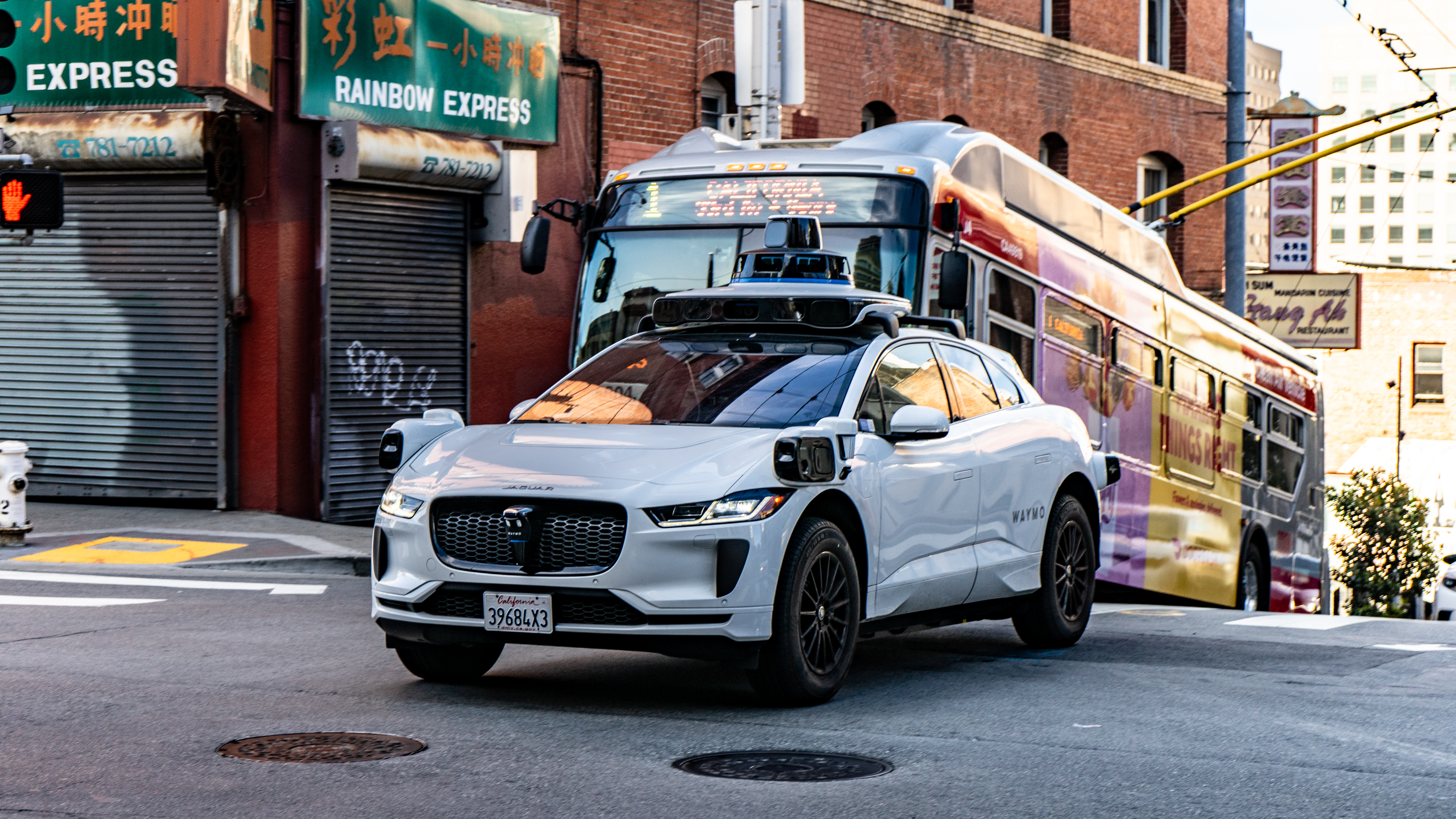
Waymo Recalls Nearly 4,500 Robotaxis After 11 Closed-Lane Incidents
Waymo is recalling nearly 4,500 self-driving vehicles in the United States after identifying 11 incidents since October 1 in which its robotaxis entered closed freeway lanes. Three of the vehicles entered lanes marked with construction cones on November 9, exposing a repeated limitation in how the automated-driving system handles changing work-zone controls.

Waymo reported no collisions or injuries in the 11 incidents. The company said it was still developing a software remedy, so the recall does not yet represent a completed fix. It comes as Waymo has halted freeway operations nationwide following a California Department of Motor Vehicles restriction that barred its vehicles from the state’s freeways.
The timing of the November 9 events is particularly significant. Three days earlier, Waymo had updated the approved scope of operation to reduce exposure to closed freeway lanes, according to the company’s description of its operational change. Reducing exposure can limit how often the system encounters a known problem, but three vehicles still entered coned-off lanes shortly afterward.
That sequence separates an operating restriction from an engineering remedy. Changing where a robotaxi is authorized to travel can reduce immediate risk while developers evaluate its behavior. It does not by itself change the vehicle’s perception, mapping or driving decisions when temporary lane controls appear within the remaining operating area. Waymo has not provided a completed remedy for the latest recall.
A second similar recall in 2026
The latest action follows an earlier recall involving nearly 3,900 Waymo vehicles. In June, the company recalled robotaxis that had passed ramp-closure signs or driven between cones into pre-planned or active freeway construction areas. That earlier action also involved the basic problem of recognizing and responding appropriately to temporary freeway closures.
The recurrence is important because construction zones are not fixed roadway features. Cones, signs, lane tapers and work vehicles can be moved as a project advances, sometimes creating a road layout that differs from the permanent map. The Federal Highway Administration describes work zones as one of the more complex environments for automated-driving systems because safe navigation can depend on current information about rapidly changing conditions.
Road agencies are working to make such information more machine-readable. The FHWA’s work-zone technology program discusses standardized data feeds intended to place more current closure and worker-presence information into vehicles and navigation systems. Those feeds can supplement onboard sensing and maps, but their usefulness depends on timely, accurate data being available across different jurisdictions. A vehicle still must interpret the physical scene and respond safely when digital information is incomplete or conditions change unexpectedly.
The California DMV said its freeway ban resulted from incidents in which Waymo robotaxis entered active construction zones. The restriction took effect this month and is to remain in place until the company demonstrates effective corrective action. Waymo then temporarily suspended freeway service in its other US operating markets while evaluating performance. Its surface-street ride-hailing operations have continued.
Oversight now extends beyond one software update
The repeated work-zone events raise questions about both autonomous-vehicle safety and regulatory oversight. A recall can define the affected fleet and establish a corrective process, while an operating restriction reduces immediate exposure. Regulators must still assess whether the eventual software changes address the behavior that produced the incidents rather than only narrowing where the vehicles operate.
Waymo has also completed a separate update involving responses to manual directions from police and other emergency personnel at intersections. That recall followed a May 8 collision after an officer directing a Waymo vehicle became temporarily obstructed; the update was completed November 6. Federal regulators are separately examining incidents involving Waymo vehicles passing stopped school buses, while the National Highway Traffic Safety Administration and National Transportation Safety Board have opened investigations after a Waymo vehicle struck a child who ran into a street in Santa Monica, California.
Those separate matters do not change the immediate status of the closed-lane recall: nearly 4,500 vehicles are covered, no collision or injury was reported in the 11 cited events, and the software remedy remains under development. The next meaningful milestone will be a completed correction that satisfies regulators and allows Waymo to demonstrate reliable handling of temporary freeway closures before broader freeway operations resume.
| More aerospace and engineering stories, right in your MSN feed. Follow AMI on MSN |
By Robert McKinney — Editor-in-Chief for AMI’s automotive and mobility coverage, with a mechanical engineering background and a decade reporting on powertrain systems, EV innovation, and global vehicle manufacturing.