

Starship V3 Faces Its Biggest Test on May 19
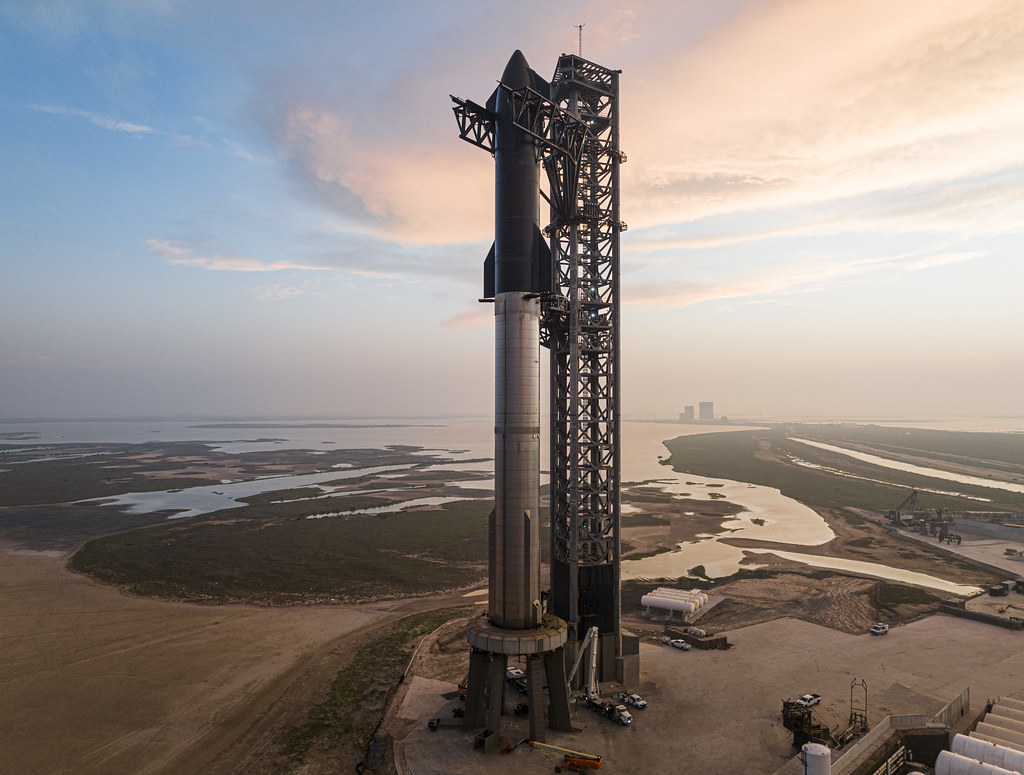
What specifically needs to come together to make Starship Version 3 significant? Starship V3 is the name SpaceX gave its third iteration of Starship, which was recently revealed to have a scheduled test flight on May 19. The date itself is interesting, but more relevant to this topic is what Starship V3 actually represents. While the last couple versions had been largely impressive and showboating, it seems V3 marks the transition from test flights to actual transport, where Starship is meant to launch, survive re-entry, carry cargo, and ultimately be refueled on orbit.

That makes the latest version unique among other variants. According to Ars Technica, the most significant changes include the new booster with only three grid fins rather than four, with their size increased and location shifted to reduce heat stress on the body. SpaceX has also built the hot-stage structure into the Super Heavy, replacing the transfer tube previously used to ignite the 33 engines separately by moving to the larger one. According to reports, the entire spacecraft has reached 408 feet high, making it taller than ever before. Meanwhile, the upper stage received a massive upgrade too.
SpaceX calls this variant of Starship the redesign of propulsion from a clean sheet, featuring additional tank volume, a new technique to start up the engines, and new plumbing to reduce the amount of propellant stored in the aft part. The spacecraft has equipment for propellant transfer on orbit, an essential feature for the Starship system for any missions that involve lunar or deep space travel. That matters because missions beyond Earth require several launches, the ability to dock in orbit, and the capability to transfer cryogenic methane and oxygen between spacecraft. As Ars Technica noted, the V3 will be the first spacecraft that had an internal cryo transfer capability installed from the start.
As for the mission profile for this flight, it is quite modest intentionally. According to SpaceX, the planned mission is suborbital flight for deployment of 22 Starlink simulators, ignition of at least one Raptor in space, and splashdown in the ocean. The booster will also perform a splashdown rather than be caught by the ground. For a spacecraft whose role includes Moon and Mars travel, such plans may look modest, but they do reflect reality. Starship made 11 flights since its launch, and 2024 and late 2025 brought some improvements, but the upper stage has yet to undergo a complete reusable cycle. Even the more successful flights had the spacecraft return in a controlled splashdown.
It means Starship Version 3 holds more significance than one test launch alone. In the same vein, SpaceX stated that V3 of its Starship was created with full and rapid reusability in mind, along with satellite deployment, orbital operations, and future lunar logistics. Meanwhile, according to independent sources, the architecture is capable of lifting 100 tons to low Earth orbit in this configuration, while NASA’s Starship-driven lunar plans require several launches for tanker and depot operations. In this case, it becomes clear that the current technological bottle neck of the spacecraft is no longer pure thrust.
Rather, it is whether Starship can perform its duties in the required time frame and under harsh conditions. May 19 may not have all answers. However, if this launch proves successful and SpaceX succeeds in deploying Starlink simulators, igniting a Raptor in space, and conducting both booster and upper stage in a controlled manner, it would be a very promising milestone for SpaceX.