GAO Says F-35 Readiness Is Slipping Under Sustainment Strain
The latest readiness situation of the F-35 relates not to the potential of its airframe but rather to the actual process of ensuring that the aircraft fleet is ready to be put in service every day. According to the findings by the Government Accountability Office, the readiness rate within the U.S. F-35 fleet experienced a decline since some time ago, and such problems as maintenance and sustainment were blamed for keeping too many planes out of operation.

The numbers look alarming. While the overall mission-capable rate which shows that the plane is able to accomplish at least one mission was estimated at 67% during fiscal year 2021 and declined to 44% in fiscal year 2025, the strict definition of the indicator the full mission capability went down from 38% to 25%.
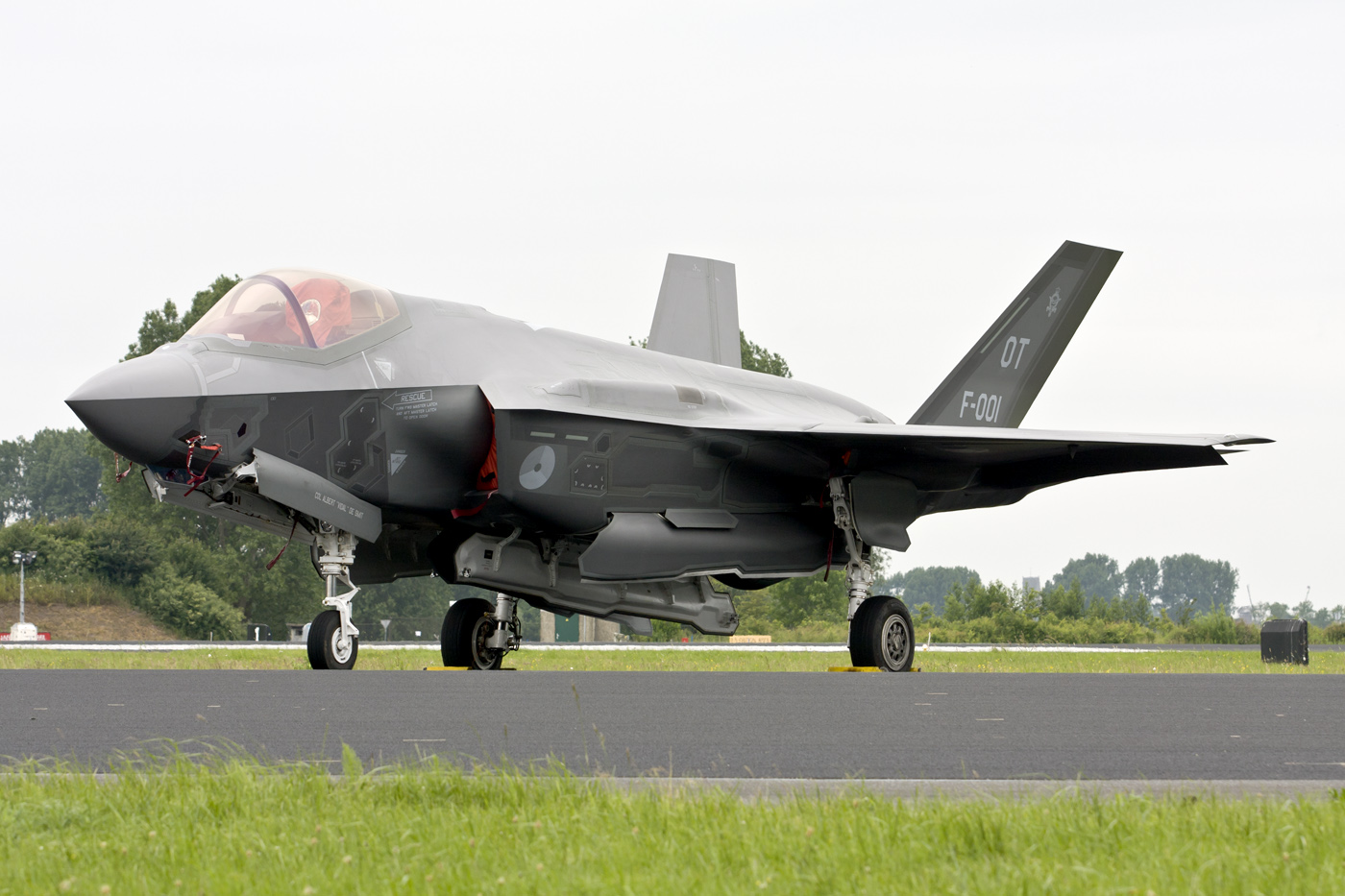
Given the fact that the F-35 program includes three versions of the aircraft used by different branches, the indicators above are critical as they point to the readiness level of the fleet as a whole. The Air Force uses the F-35A variant while the Marine Corps employs the F-35B and the Navy possesses F-35Cs. Regardless of what kinds of operations each variant is designed for, their usefulness is associated with parts flow, software maturity, and other factors determining their sustainability and maintenance rates.
As the GAO states, the decline was caused by the known reasons of poor sustainability, namely lack of spare parts and problems with software. In other words, aircrafts are often delivered to squadrons or kept in storage facilities not being fully equipped. As a consequence, the number of available jets keeps dropping regardless of further production.
It should be noted that the problem is associated not only with the production itself but rather with the whole industrial network that allows to deliver fighters from depots to the fleet and maintain their high readiness levels. Therefore, the low readiness rate is related not to a single factor but rather to the inefficient work of the entire system.
However, the problem is not new and the Pentagon is taking care of it as well. Namely, the department is implementing a readiness plan worth $13.7 billion aiming at improving the readiness rate of the F-35 fleet before the end of the decade. Nevertheless, the GAO warns that the initiative entails serious execution risks due to lack of capacity and may cost extra money.
According to the report by the government watchdog, the main risks related to implementation of the program are connected to contractors’ support, limited parts capacity, and financial risks associated with aircraft’s lifetime sustainment. The latter issue should be viewed as the major challenge as a shortage of spare parts means that extra funding will not be sufficient to boost the number of available planes.
Apart from the above-mentioned technical challenges, the GAO also emphasizes another serious issue associated with contractors’ work. According to the agency’s statement, the current structure of incentive measures is not sufficiently aligned with performance criteria aimed at improving the program and achieving readiness rate goals. It means that, if the measures are not adjusted accordingly, money spent by the Defense Department will yield little effect on the issue.
In general, the F-35 Joint Program Office accepts the findings and acknowledges that the agency’s recommendations should be implemented. According to the document submitted to the GAO, “We fully support all three recommendations to enhance fleet readiness, improve contract incentive structures, and implement rigorous financial quality controls.”
Therefore, the agency recommends the Defense Department to develop mitigation strategies and implement them in order to reduce execution risks, properly adjust the structure of contractor incentive packages, and monitor them carefully in order to ensure that proper performance measures are used.
To summarize, the current readiness situation of the F-35 fleet is determined by the fact that despite the aircrafts are produced, they often remain in maintenance shops or storage areas due to problems associated with spare parts shortage and poor software. In other words, the issue requires solving not only due to its negative impact on the aircraft but also the associated costs.
It should be recalled that the Lockheed Martin-built fighter remains the Pentagon’s most expensive weapons program, with total costs of acquisition and sustainment projected at more than $2 trillion. At the same time, its readiness problem should be seen in the context of its large number and complexity as well as multiple variants and their global supply chain.
In conclusion, it is worth noting that the problem with the readiness rate should be solved by means of increasing the sustainability of the existing aircrafts in terms of spare parts provision and repair. However, the solution to the problem is crucial for future work with the F-35 as a highly advanced aircraft.
By David Whitaker — Associate editor for AMI’s aerospace and drone systems desk, translating flight systems, aircraft programs, spaceflight, and UAV developments into accessible technical stories.