Alabuga-Fibre Expansion Could Raise Geran Drone Production Capacity 78%
Twenty-eight thousand additional Geran strike drones per year is the projected payoff from Russia’s planned expansion of the Alabuga-Fibre carbon-fiber plant in Tatarstan. The estimate represents a potential 78% increase over Russia’s reported capacity of more than 36,000 Gerans annually, but it is a calculation based on future material capacity not documented drone output.
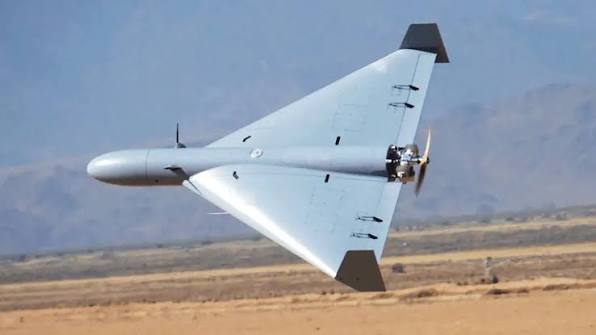
The project would add as much as 500 metric tons of military-grade carbon fiber per year by 2029. Weapons expert David Albright estimated that this quantity could supply airframes for roughly 28,000 Shahed-136 or Russian Geran-2 drones annually, according to a review of the expansion documents. That projection assumes the added fiber can be converted into suitable airframe structures and matched with the other components, equipment and labor needed to complete aircraft.
Construction preparations appear to have started
The Ukrainian Security and Cooperation Center reportedly obtained the plans. The Ukrainian government and the U.S. House Select Committee on China subsequently reviewed and authenticated the documents, according to officials cited in the reporting.
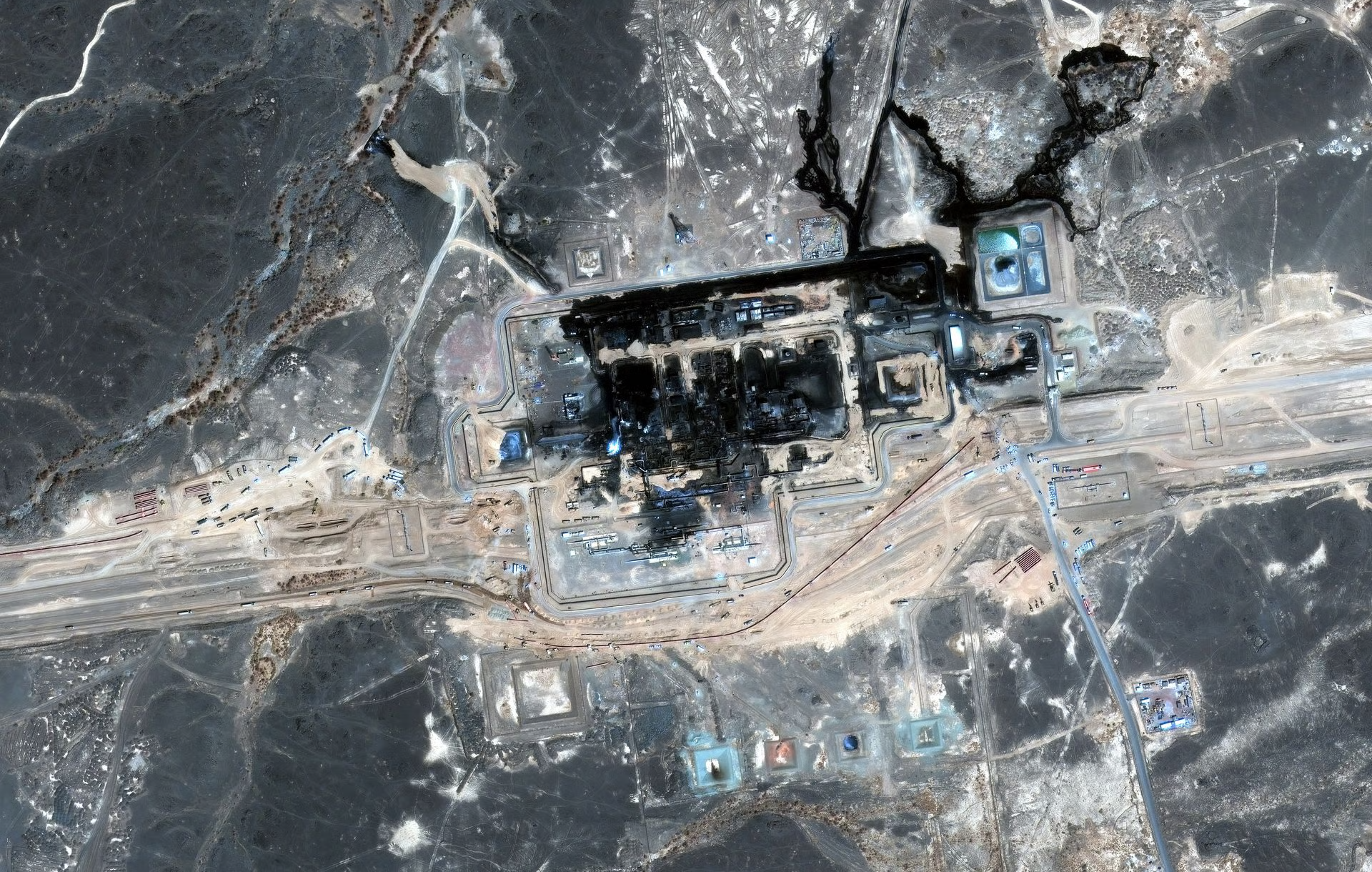
Russia approved construction of a new Alabuga production line in May 2026. Satellite images taken from May through July reportedly show land beside the existing factory being cleared. Albright, who independently obtained August imagery, said the new facility’s foundation was being prepared. The available timeline points to construction activity now, possible completion in 2027 and the planned additional annual material capacity by 2029.
That distinction matters. Cleared land and foundation work indicate that preparations are underway, but they do not establish when qualified carbon fiber will emerge from the line, how quickly output will ramp up or whether the plant will reach its full rated capacity. In aerospace manufacturing, installed capacity and sustained production are not interchangeable: material quality, process stability and downstream assembly throughput all affect usable output.
Carbon fiber addresses one important production constraint
Carbon-fiber composite structures combine low mass with substantial strength, making the material important to Geran fuselages, wings and internal structures. Adding a domestic source could therefore ease a significant structural-material constraint while reducing reliance on imported finished fiber.
It would not, by itself, create a complete domestic drone supply chain. High-grade carbon-fiber production depends on chemical precursors, controlled processing and specialized manufacturing equipment. Alabuga-Fibre reportedly received a disguised 46-metric-ton shipment of carbon-fiber chemicals from a Chinese state-owned company earlier in 2026, despite sanctions imposed on the plant and parent company UMATEX by the United States, Britain and other Western governments.
Ukrainian Defense Intelligence has also identified 20 units of foreign technological equipment associated with drone production in the wider Alabuga special economic zone. That finding does not establish that every listed machine belongs to the carbon-fiber line, but it illustrates the broader manufacturing tension: more domestic material output can reduce one import dependency while production remains exposed to foreign chemicals, machinery and other components.
The 78% figure has a defined boundary
The estimated increase applies specifically to potential Geran production capacity derived from the additional carbon fiber. It should not be confused with Russia’s broader national plans to produce approximately 130,000 drones by 2030 and as many as 350,000 by 2035. Those targets encompass a wider unmanned-aircraft sector and do not mean every aircraft would be a Geran.
Nor does enough carbon fiber for 28,000 airframes guarantee 28,000 completed drones. Engines, electronics, navigation hardware, actuators, production tooling, quality control and final assembly must scale in parallel. A shortage or qualification problem elsewhere in the manufacturing chain could keep finished output below the material-based estimate.
The expansion is nevertheless consequential because it targets a basic airframe input rather than a temporary assembly surge. If Alabuga-Fibre reaches its planned 500-ton annual increase and the rest of the supply chain grows with it, the plant could remove a substantial fuselage-material bottleneck by 2029. Until then, the most important unresolved question is whether Russia can turn sanctioned, partly import-dependent production infrastructure into sustained output at the projected scale.
| More aerospace and engineering stories, right in your MSN feed. Follow AMI on MSN |
By Stephen Wallace — Editor for AMI’s aerospace integration and unmanned mobility coverage, focused on drone manufacturing, VTOL systems, autonomous networks, and air-ground mobility links.