Ukraine Says Russia Beats Missile Targets, Plans 11,000 Attack Drones
Russia is now producing key missiles above plan and intends to build 11,000 strike drones in August, according to Major General Vadym Skibitskyi, deputy chief of Ukraine’s military intelligence. His assessment points to an industrial base that is helping Moscow sustain frequent missile and drone attacks rather than pause them.

That matters because the pressure is not just about how many weapons Russia has stored. Skibitskyi said the current pace depends on what factories are turning out month by month, and he argued that July already showed the effect: Russia launched 153 cruise missiles and 198 ballistic and hypersonic missiles, with the latter reaching the highest monthly figure this year.
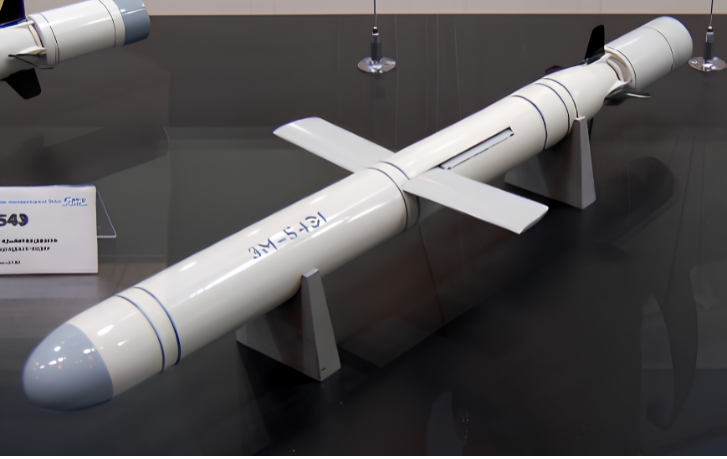
By his account, Russia’s main missile lines are running at 110% to 120% of monthly targets. He gave several July examples. Kh-101 production reached 87 missiles against a target of 72, or 140% of plan. Kalibr output reached 29 against a target of 26, or 111%. Kh-35 cruise missile production reached 200% of target. He also said Russia’s August target remains 72 Kh-101 missiles and 26 Kalibr missiles, suggesting the elevated output is not being described as a one-off spike.
The stronger signal may be at the annual-program level. Skibitskyi said Russia had already fulfilled its 2026 production targets for Zircon and upgraded Onyx missiles by August 3, after producing 33 Zircons and 60 Onyx missiles in the first seven months of the year. For general readers, the significance is straightforward: if annual quotas are being met with five months left in the year, either output can continue above plan or production capacity can be shifted elsewhere.
That shift appears to be happening in drones. Skibitskyi said Russia slightly reduced drone-strike intensity in July while reconfiguring production, with the focus moving toward turbojet-powered Geran-4 and Geran-5 systems. He added that in one recent attack, turbojet-powered drones made up 50% of the total.
From an aerospace standpoint, that is a meaningful manufacturing move. Faster jet-powered one-way attack drones can change the defense problem even if they do not replace missiles outright. A recent IISS analysis of Russia’s newer Geran variants argues that higher speed can complicate interception by guns, helicopters, and interceptor drones that have become a major part of Ukraine’s counter-UAV architecture. In practical terms, Russia may be trading some of the simplicity of earlier propeller-driven designs for a platform that is harder and more expensive to stop.
The number attached to that shift is large. Skibitskyi said Moscow plans to produce 11,000 strike UAVs of various types in August, including Geran-series and Gerbera-family systems. Even allowing for mixed capability across those models, that kind of volume supports a campaign built on repetition and saturation rather than rare, carefully spaced salvos.
His broader strike data fits that picture. Skibitskyi said ballistic missile launches climbed from 61 in April to 107 in May and 134 in June before reaching 198 ballistic and hypersonic missiles in July. He also said missile strikes have been increasing since April and are happening more often than earlier in the year. That trend lines up with a wider pattern seen in outside research: Russia’s long-range strike campaign has increasingly relied on persistence and cumulative pressure on logistics, energy systems, industrial sites, and cities rather than any single decisive wave.
There is also a production-allocation story behind the missile numbers. Skibitskyi said Russia suspended Kinzhal and Kh-32 production in April and redirected funds and components to other missile types considered more accurate. He also said Russia is using the aviation component of its strikes less, partly because of technical problems with cruise missiles and aircraft, and that reserve aircraft are being brought into service to reduce that risk. That suggests Russia is not simply expanding across every category at once; it is prioritizing the lines that best support current strike patterns.
The direct consequence is sustained demand on air defense. July was described as one of the hardest months for Ukraine’s air defenses, and ballistic missiles remain a particular challenge. A Congressional Research Service overview of the Patriot system notes that Patriot is the key Western-supplied system for intercepting ballistic missile threats, but both batteries and interceptors are limited and expensive. When an attacker can keep missile output above plan while also scaling cheaper strike drones, the defender is forced into a costly inventory and coverage problem.
Skibitskyi said Russia’s strike priorities include Ukraine’s defense industry, rail and port logistics, energy facilities tied to logistics and shipping, and civilian infrastructure. Whether those attacks achieve their broader aims is a separate question. But if his production assessment is accurate, the immediate engineering reality is simpler: Russia’s factories are still feeding the campaign fast enough to keep the pressure on, and the shift toward faster Geran variants could make that pressure harder to absorb over the next several months.
By David Whitaker — Associate editor for AMI’s aerospace and drone systems desk, translating flight systems, aircraft programs, spaceflight, and UAV developments into accessible technical stories.