SpaceX Plans Two Engine Replacements After Starship’s Automatic Pad Abort
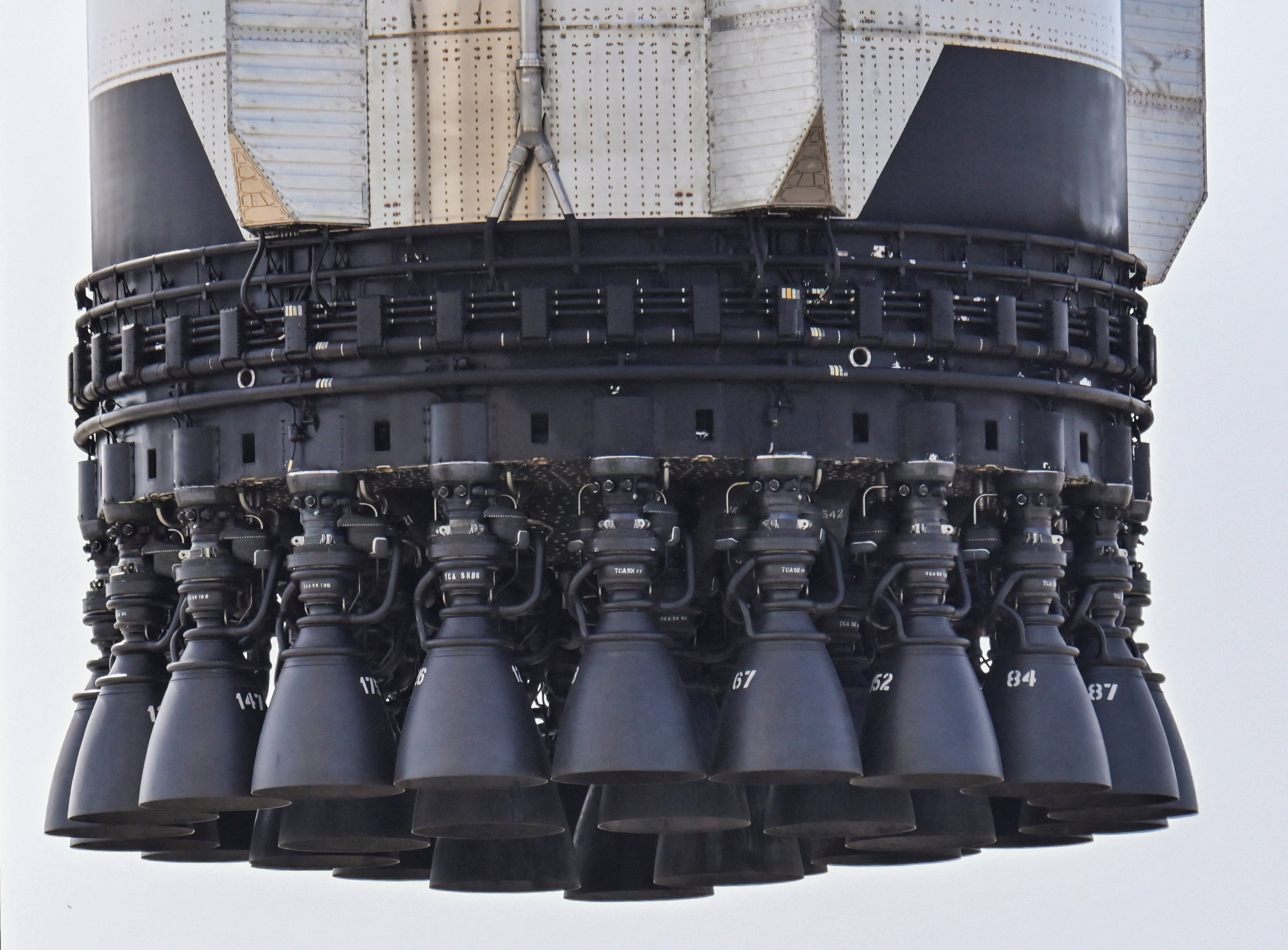
SpaceX’s next Starship readiness test begins before the 407-foot rocket leaves its Texas launch pad. The company plans to replace two engines after an automatic abort stopped the Flight 13 launch attempt roughly one second before liftoff on July 16, when some of the Super Heavy booster’s engines did not ignite.

The shutdown kept the vehicle anchored as designed after the launch system determined that not all required engines were ready. That outcome separates two questions that remain easy to conflate: the automatic abort function worked, but the 33-engine propulsion system did not complete the startup sequence required for launch. SpaceX founder and CEO Elon Musk said two engines would be replaced to be “confident of a good flight.”
The first gate closed before ascent
A Starship test flight is intended to exercise a long chain of systems across ascent, stage separation, propulsion, guidance, thermal protection and recovery. Flight 13’s planned space-skimming trajectory halfway around the world would have tested several of those areas. The attempt instead stopped at the first gate: establishing stable, acceptable propulsion before releasing the rocket.
That makes repeatable startup not the broader mission profile the immediate engineering issue. Super Heavy’s engines must ignite within an orchestrated sequence while engine-health monitoring, flight computers and ground systems determine whether the vehicle meets its release criteria. If those conditions are not satisfied, the proper response is to terminate the sequence before ascent, as happened here.
This does not establish a systemic engine defect or identify a particular failure mechanism. No confirmed public root cause, detailed inspection result or damage assessment was provided with the initial announcement. Smoke and vapor around a cryogenic launch vehicle during the countdown also do not, by themselves, show what failed or whether hardware was damaged.
Replacement is a response, not a diagnosis
Removing two engines is a conservative operational decision, but it does not explain why they were selected. A defensible diagnosis would require inspection findings and supporting test data that have not been publicly detailed. Until those become available, the confirmed account is limited: some engines did not start, the automatic system aborted the launch, and SpaceX elected to replace two engines before trying again.
An engine swap also involves more than exchanging hardware. The affected booster must go through removal, installation, integration checks and verification before another launch attempt. That work matters on a vehicle whose propulsion architecture depends on many engines behaving as a coordinated system rather than as isolated thrust units.
Startup reliability is especially consequential for a reusable launch system. A successful ignition sequence must be repeatable across vehicles and flights, with monitoring thresholds that reject an unacceptable condition without unnecessarily consuming launch opportunities. One successful abort demonstrates that a protection layer acted before liftoff; it does not yet demonstrate why the engine-start condition arose or that it has been eliminated.
What investigators still need to establish
The next useful facts are inspection results, the reason the two engines were chosen and the verification completed after installation. Without those details, it would be premature to attribute the non-ignition to engine hardware, control software, ignition timing, pad sequencing or another cause.
Starship operations at Boca Chica remain subject to the Federal Aviation Administration’s commercial-space oversight. The FAA’s Starship and Super Heavy project page explains that vehicle licensing reviews cover public safety, environmental effects and other statutory requirements. That regulatory framework is separate from SpaceX’s internal engine troubleshooting, but launch readiness ultimately requires both an acceptable vehicle configuration and the applicable authorization.
No firm date for the next attempt was confirmed with the initial engine-replacement announcement. Before Flight 13 can pursue its downrange objectives, SpaceX must first show that the integrated booster can once again start its required engines cleanly and that its launch system remains prepared to stop the sequence if it cannot.
By David Whitaker — Associate editor for AMI’s aerospace and drone systems desk, translating flight systems, aircraft programs, spaceflight, and UAV developments into accessible technical stories.