Powerus Opens UAE Factory, Targets Fivefold Output of $5,000 Drone Interceptors
Powerus has opened a production facility in the United Arab Emirates while pursuing a steep manufacturing target: raising worldwide output of its $5,000 Guardian drone interceptor from roughly 3,000 to 15,000 units per month by mid-2027. The fivefold increase has not been achieved, and the company has not disclosed enough about testing, production yields or customers to determine how close the planned factory network is to sustaining that volume.
The West Palm Beach, Florida, start-up is taking a distributed approach rather than building new American plants and exporting completed systems. Powerus partners with regional contract manufacturers, uses their existing factories and supplies a design incorporating 3-D-printed components. Workers at the recently opened UAE warehouse assemble those components into finished Guardian interceptors.
This is Powerus’s first manufacturing presence in the Middle East. A company spokesman said affiliated factories currently produce about 3,000 Guardians per month. The UAE contract manufacturer and the buyers receiving the systems have not been publicly identified.
Existing factories offer speed, but introduce control questions
Powerus’s model addresses one of the biggest obstacles to expanding drone production: factory construction itself. Using an established regional facility can avoid the time and capital required to build, equip and staff a dedicated plant in the United States. Locating assembly nearer anticipated demand may also reduce the logistics burden associated with shipping every finished interceptor from an American production line.
Three-dimensional printing can support that strategy by allowing parts to be produced without conventional tooling for every component. It may also make design changes easier to distribute among affiliated factories. Those potential advantages are especially relevant for unmanned systems, which can evolve more quickly than traditional aircraft or missile programs.
But printing parts and assembling them at multiple sites do not automatically create repeatable production. A network expected to deliver 15,000 units each month would need consistent material inputs, controlled manufacturing files, calibrated equipment, inspection standards and documented acceptance testing across its participating factories. Powerus has not disclosed its quality-assurance process, propulsion and guidance suppliers, production yields or test rates.
Those omissions do not show that the target is unattainable. They establish the boundary between announced capacity and demonstrated manufacturing performance. At the planned rate, even a small variation in component quality or assembly results could affect hundreds of units in a monthly production run. Distributed manufacturing therefore shifts part of the scaling challenge from constructing factories to controlling a network.
A low unit price changes the production equation
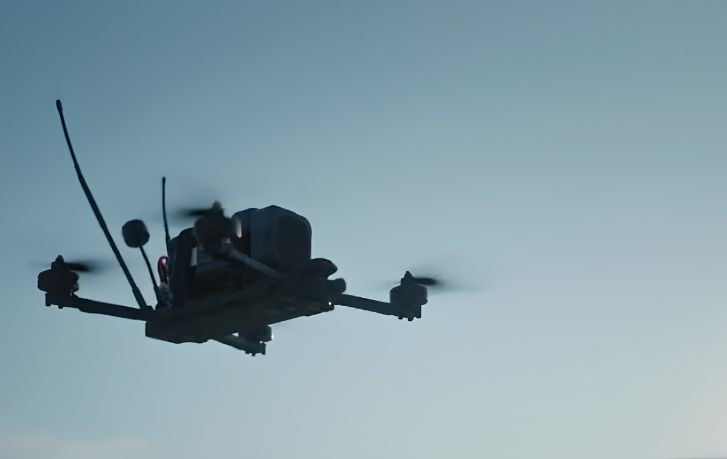
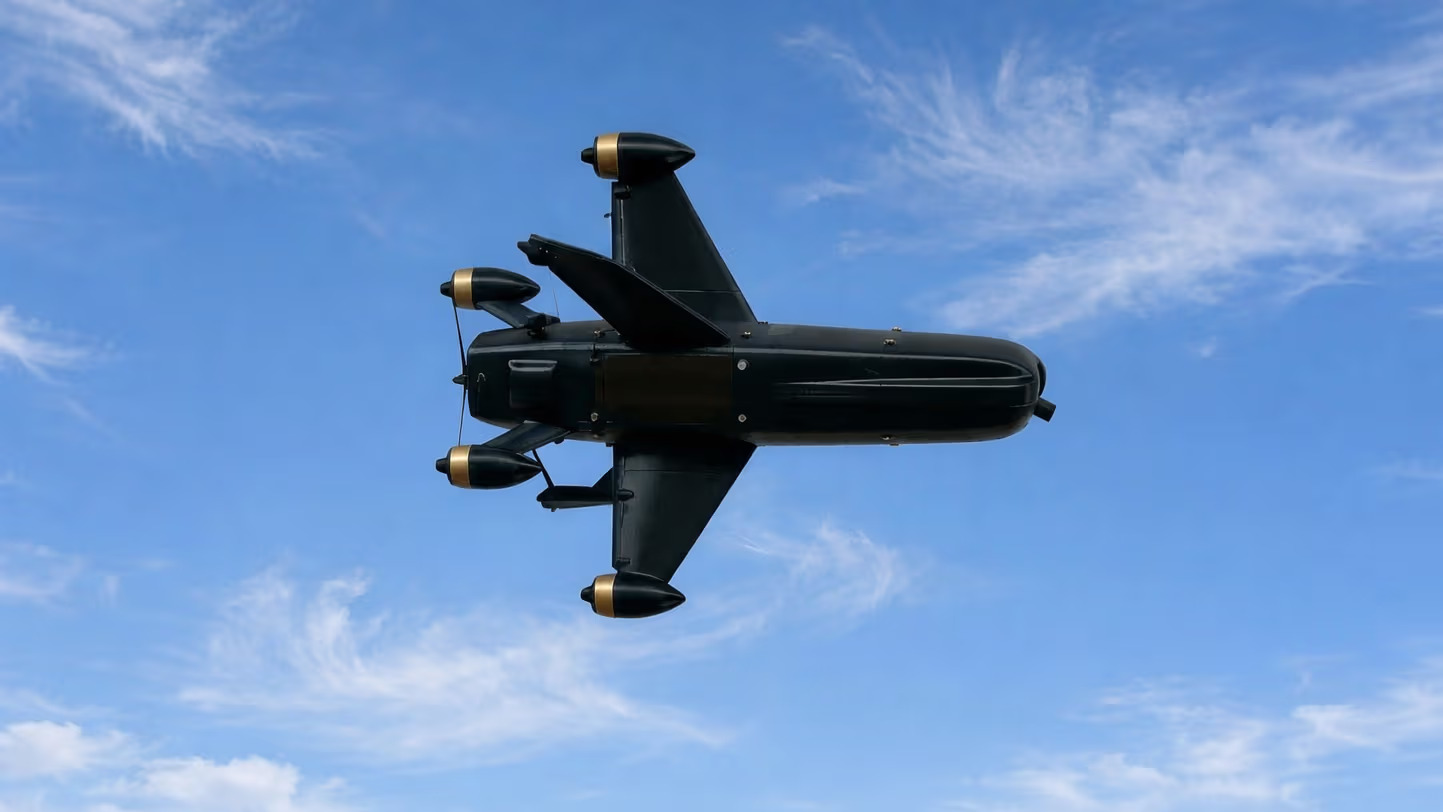
Guardian is priced at about $5,000, according to the company information reported with the expansion. It is based on a Ukrainian interceptor design described as having been used against Russian Shahed drones. Guardian is also described as capable of intercepting drones traveling at speeds of up to 200 mph. Those are company-linked performance claims; detailed test results and certification information were not provided.
The price matters because counter-drone demand is increasingly measured in quantity as well as individual system capability. American officials are placing greater emphasis on low-cost drones, counter-drone systems and a stronger domestic production base. The government’s Drone Dominance initiative, for example, identifies manufacturing expansion and faster delivery of counter-drone capabilities as priorities.
Powerus is applying a different industrial model to that same capacity problem. Its headquarters remain in Florida, but its expansion relies on manufacturing partners in the regions where interceptors may be needed. That could produce systems faster than a strategy dependent entirely on new U.S. factories, although it also makes supplier oversight and configuration control central to reliability.
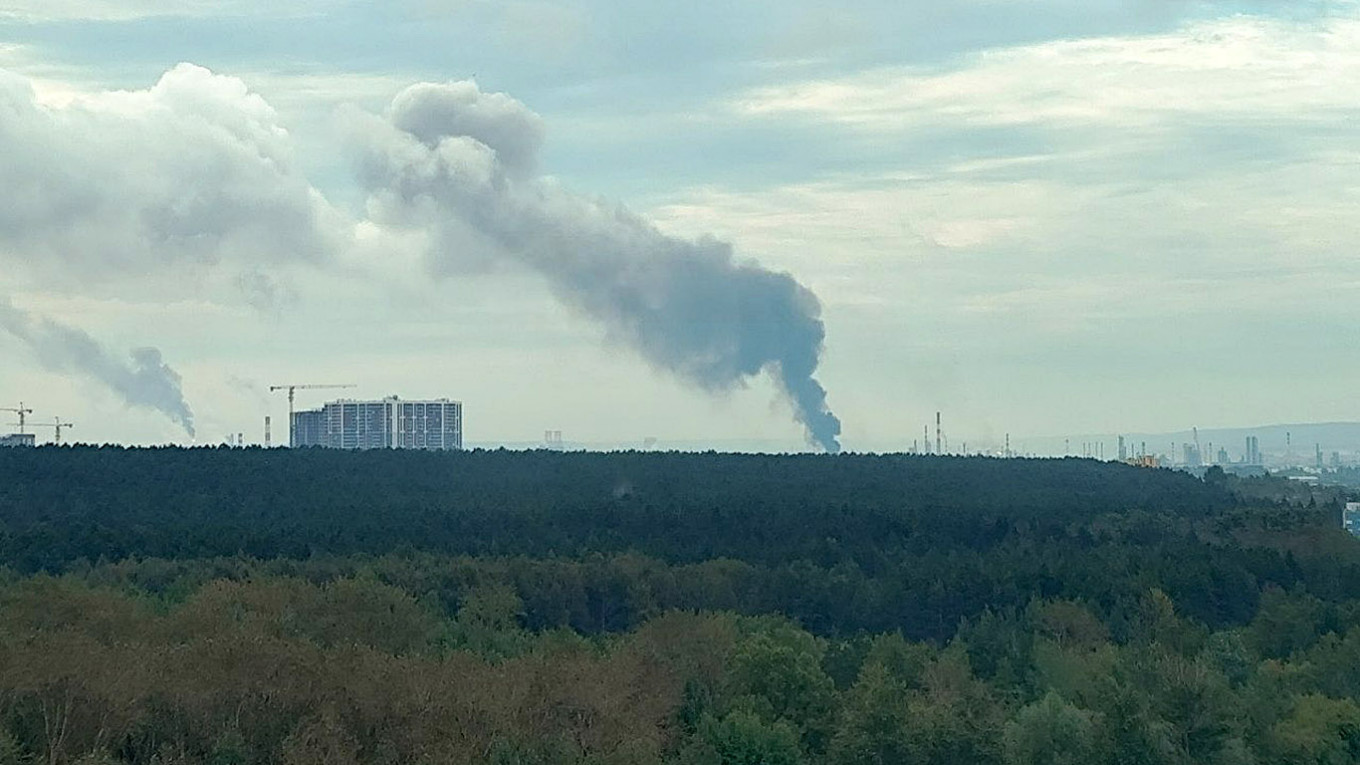
The wider urgency comes from pressure on conventional interceptor inventories and rising demand among U.S.-allied countries. More than 2,200 Iranian drones and 500 ballistic missiles have reportedly been fired at targets in the Emirates, with serious human and infrastructure consequences. For Powerus, however, the relevant measure is not the number of threats reported but whether its manufacturing system can repeatedly produce accepted hardware at the promised cost and scale.
The next meaningful milestone is therefore more specific than opening another warehouse. Powerus must show that its affiliated factories can move beyond the current claimed rate of 3,000 units per month while maintaining consistent testing and system performance. Until production data, procurement volumes and quality controls become clearer, 15,000 Guardians per month remains an ambitious mid-2027 target not established capacity.
| More aerospace and engineering stories, right in your MSN feed. Follow AMI on MSN |
By Stephen Wallace — Editor for AMI’s aerospace integration and unmanned mobility coverage, focused on drone manufacturing, VTOL systems, autonomous networks, and air-ground mobility links.