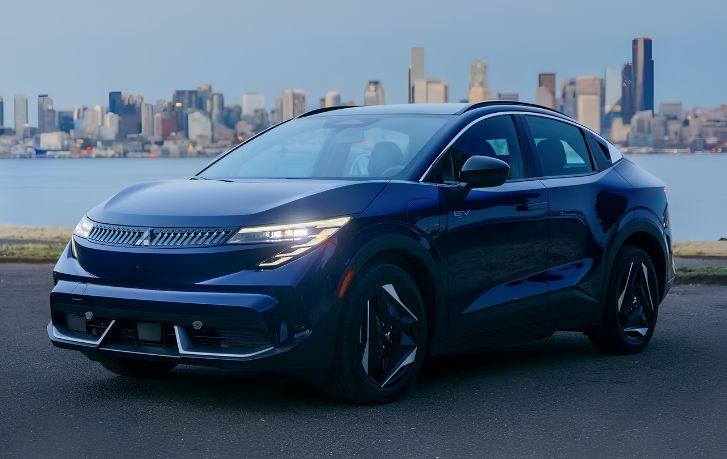
Mitsubishi Eclipse Sportback Uses Two Ports to Preserve Home-Charger Compatibility
The 2027 Mitsubishi Eclipse Sportback will not make owners choose between an existing home charger and direct access to newer fast-charging hardware. Mitsubishi plans to install separate J1772 and North American Charging System ports on every version of the electric vehicle, according to the company’s charging announcement. The model is scheduled to reach North America in fall 2026.
That is materially different from replacing J1772 with a single North American Charging System inlet. The Eclipse Sportback’s J1772 connection will handle Level 1 and Level 2 alternating-current charging, preserving compatibility with widely installed home, workplace and portable charging equipment. Its second inlet, using the connector standardized as SAE J3400, will support Level 2 alternating-current charging and direct-current fast charging at up to 150 kilowatts.
Two inlets reduce the transition burden
A vehicle equipped only with the newer connector can still use many older charging stations through an adapter. Mitsubishi’s approach instead integrates both interfaces into the vehicle. For a household that already has a J1772 wall unit, that could avoid replacing the charger or routinely handling an adapter. On a road trip, the dedicated SAE J3400 inlet can connect directly to compatible charging equipment, including compatible Tesla Superchargers.
The important limitation is the word “compatible.” A matching physical connector does not establish access to every Tesla charging site. Network generation, vehicle support, software enrollment, authentication and payment arrangements can all affect whether a driver can initiate a session. Mitsubishi has not detailed those access conditions, so the dual-port design should not be read as a guarantee that every Supercharger will work.
The two-port arrangement also creates an engineering tradeoff. SAE J3400 can carry alternating- and direct-current power through one compact connector, while Mitsubishi is retaining a separate J1772 inlet for legacy alternating-current equipment. That adds an additional charge door, inlet assembly, wiring path, sealing interface and packaging requirement compared with a complete migration to one connector. In return, the vehicle gains native compatibility across two substantial parts of the North American charging base.
Preproduction reporting has placed the J1772 and SAE J3400 inlets on opposite front fenders. Final production integration details, including the complete routing and protection of the associated high-voltage hardware, have not been released. Those details matter for assembly complexity and repair access, but they do not change the basic user-facing advantage: owners can select the appropriate inlet instead of selecting an adapter.
The 150-kilowatt figure needs context
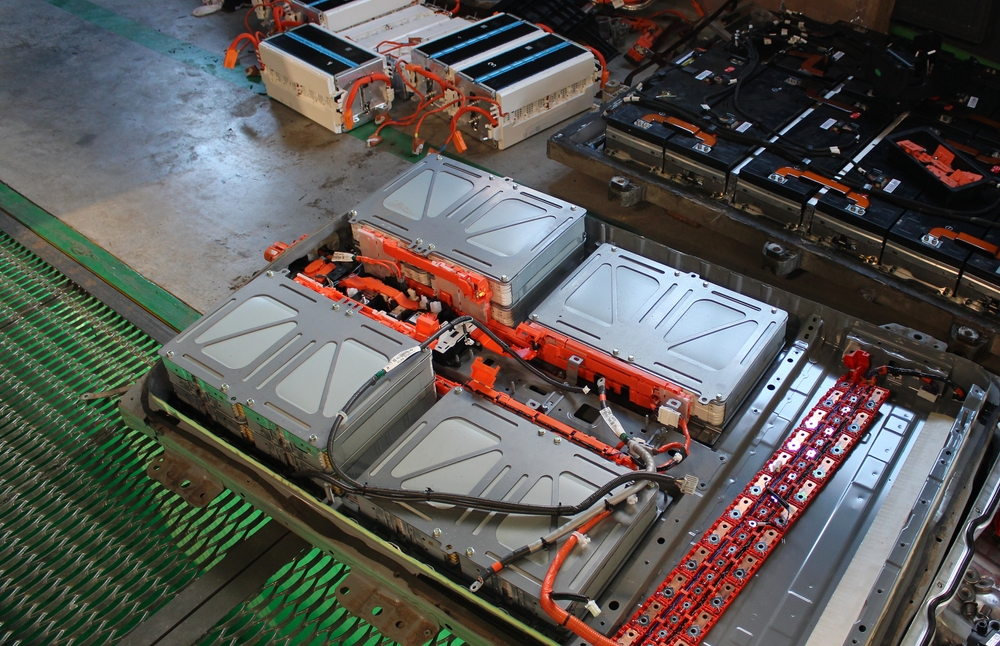
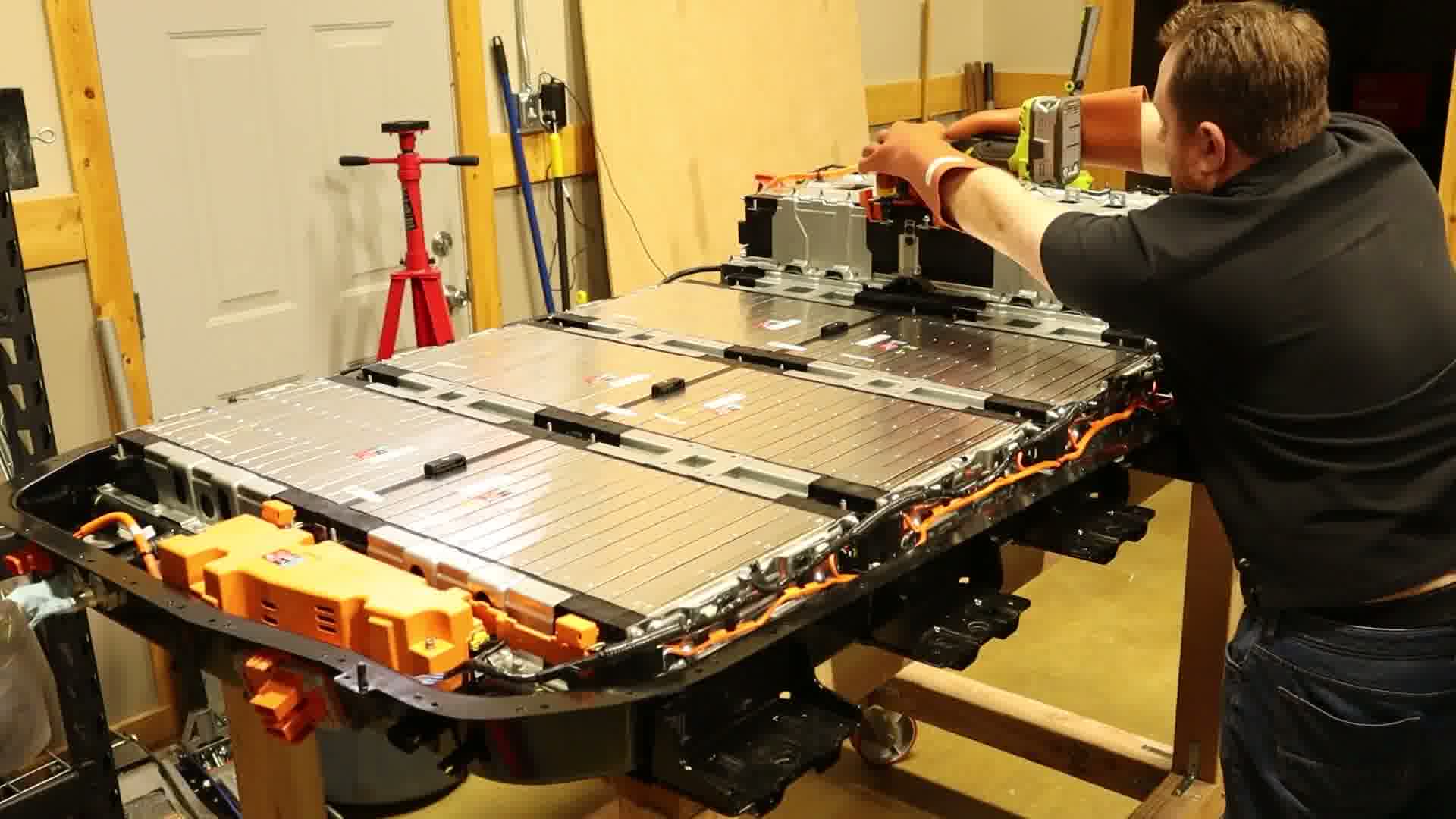
Mitsubishi specifies a 75-kilowatt-hour liquid-cooled lithium-ion battery and a maximum direct-current charging rate of 150 kilowatts. The company estimates that charging from 10% to 80% state of charge will take approximately 35 minutes. It also cautions that charging time and accepted power can vary with the power source, ambient and battery temperatures, battery condition and age, and accessory use.
The peak rating alone does not reveal how long the battery can sustain high power. Mitsubishi has not published the full charging curve, which would show how power changes as state of charge rises. Nor has it disclosed detailed thermal-control logic or certification status. Consequently, the 150-kilowatt ceiling is useful for defining the hardware’s documented limit, but it is not enough to predict repeatable charging times across weather conditions and charger types.
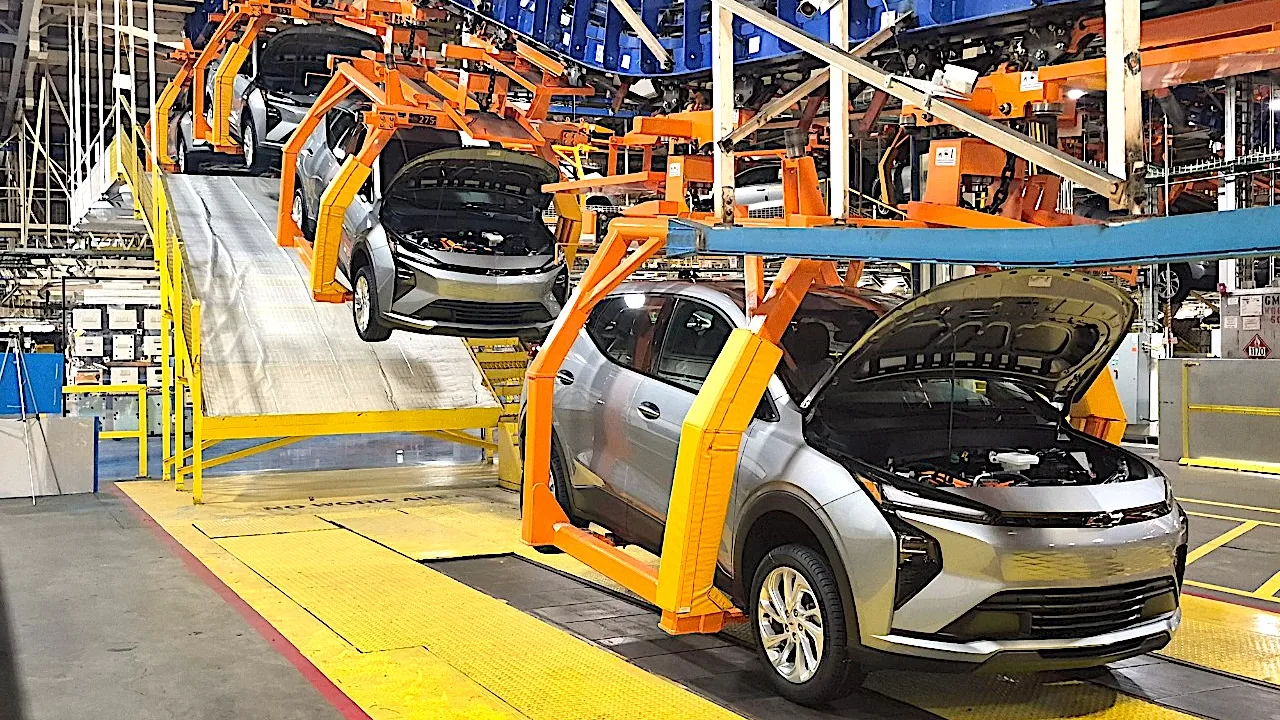
The Eclipse Sportback is based on the next-generation Nissan Leaf through Mitsubishi’s alliance relationship with Nissan. That shared platform helps explain how Mitsubishi can introduce a new electric model while adopting an already developed battery and charging foundation. Mitsubishi’s distinct decision is to make both charging inlets standard across the range rather than reserve one connector or an adapter for selected versions.
For U.S. owners, the practical benefit is transitional rather than absolute: familiar J1772 equipment remains usable, while compatible SAE J3400 infrastructure becomes available without an adapter. The unresolved test is not whether both plugs fit, but how consistently the vehicle, charging networks and thermal system deliver that promised 35-minute session after production vehicles arrive.
| More aerospace and engineering stories, right in your MSN feed. Follow AMI on MSN |
By Robert McKinney — Editor-in-Chief for AMI’s automotive and mobility coverage, with a mechanical engineering background and a decade reporting on powertrain systems, EV innovation, and global vehicle manufacturing.