Nevada Expands Tesla’s Las Vegas Robotaxi Approval From 10 to 5,000
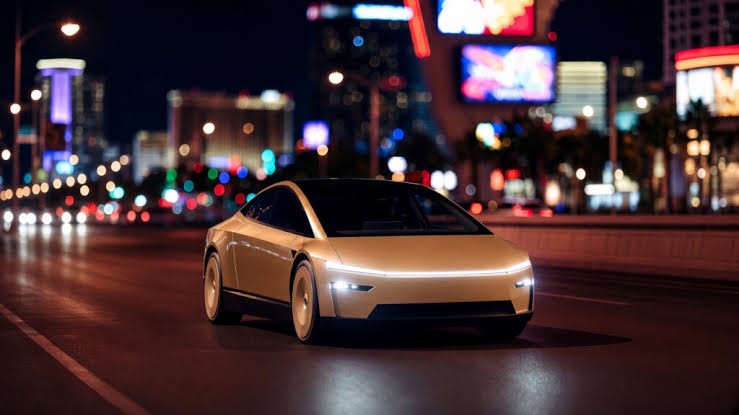
Tesla’s proposed Las Vegas robotaxi fleet was initially cut from 5,000 vehicles to just 10, but that severe restriction did not become the final limit. On August 20, the Nevada Transportation Authority unanimously approved Tesla to operate as many as 5,000 fully autonomous vehicles in Clark County during the first 12 months after its permit is issued.
The Nevada Transportation Authority’s official update supersedes the striking 10-vehicle ceiling reported from a July 27 approval. It also changes the practical reading of Tesla’s Nevada rollout: the state is no longer limiting the company to a demonstration-sized fleet, although approval for 5,000 vehicles is a regulatory ceiling rather than confirmation that 5,000 robotaxis are ready to enter service.
A fleet permit is only one deployment layer
The distinction matters because autonomous transportation depends on more than the nominal number of vehicles authorized. Nevada’s approval subjects each operator to an approved operational design domain the defined set of roads, geographic boundaries and operating conditions within which its automated-driving system may run. Changes to a company’s geofence or operating parameters require prior approval from the authority.
That structure lets regulators constrain the system without relying solely on a fleet cap. A company may have permission for thousands of vehicles but still face a limited service area, controlled expansion and separate access requirements for complex destinations. The state retains jurisdiction over the permits and compliance with their conditions, giving it continuing authority over the operating envelope after initial approval.
Airport access illustrates how those layers divide responsibility. The approved geographic area includes Harry Reid International Airport, but Tesla and the other authorized operators cannot serve the airport until they receive the necessary permission from the Clark County Department of Aviation. That condition can directly affect passengers because airport rides are a distinct and important use case, yet state authorization alone does not open that market.
Clark County previously emphasized that it does not authorize this transportation category on its roads even though local departments are affected by robotaxi operations. The arrangement separates the state’s role in approving a passenger carrier from local responsibilities involving airport management, emergency response and business administration. For road users and prospective passengers, that means a statewide permit does not eliminate local operating boundaries.
Scaling requires inspection, maintenance and reporting systems
Before Tesla can place vehicles into service, it must satisfy requirements covering vehicle-inspection documentation, insurance, proposed passenger rates and regulatory review of its customer-facing application. Operators must also comply with accessibility, nondiscrimination, receipt and reporting rules. These requirements treat a robotaxi not merely as an automated car but as part of a regulated transportation network.
That network needs supporting control and maintenance processes. Nevada requires operators to retain inspection, maintenance and repair records and to report crashes and other events required by law. Each approved company must also provide first responders in its service area with a 24-hour emergency contact. At larger fleet sizes, these obligations become production and deployment constraints: every additional vehicle adds inspection records, maintenance activity, operational data and potential service interruptions that must be managed consistently.
Passenger access is another constraint separate from automated-driving performance. Compliance with accessibility and nondiscrimination requirements determines who can practically use the service, while regulatory review of the customer application reaches the digital interface through which rides are requested and managed. A high vehicle ceiling therefore does not, by itself, establish broad availability or equal access.
The 5,000 figure is capacity, not a launch count
The approved order allows operations to begin only after Nevada officials verify that the applicable conditions have been met. The companies must then commence operations within 120 days after their permits are issued. No vehicle may provide paid transportation merely because commissioners approved the application.
Nevada also authorized Waymo and Aviari Services for up to 1,000 fully autonomous vehicles each during their respective first 12 months. Those figures provide useful regulatory context, but they do not establish how many vehicles any operator will actually deploy. Fleet availability, charging, cleaning, inspection, maintenance, remote or human-support arrangements and demand all stand between a permit ceiling and sustained passenger service.
The most consequential change is therefore not that 5,000 Tesla robotaxis will immediately arrive in Las Vegas. It is that Nevada moved Tesla from an initially reported 10-vehicle operating limit to permission for a potentially much larger commercial network, while retaining control over its geofence, operating parameters and compliance. The next concrete milestone is permit issuance after Tesla satisfies the authority’s conditions; only then does the 120-day clock to begin operations start.
| More aerospace and engineering stories, right in your MSN feed. Follow AMI on MSN |
By Jonathan Barrett — Editor for AMI’s future mobility and autonomous systems section, with two decades covering robotics, e-mobility, drone-vehicle convergence, and transport mechanical systems.