Ukrainian Drone Strike Leaves All Major Lukoil Refineries in Russia Offline
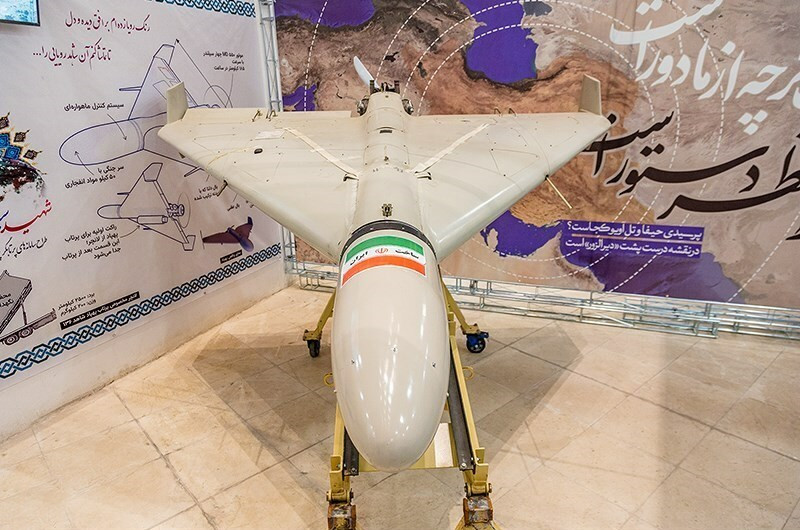
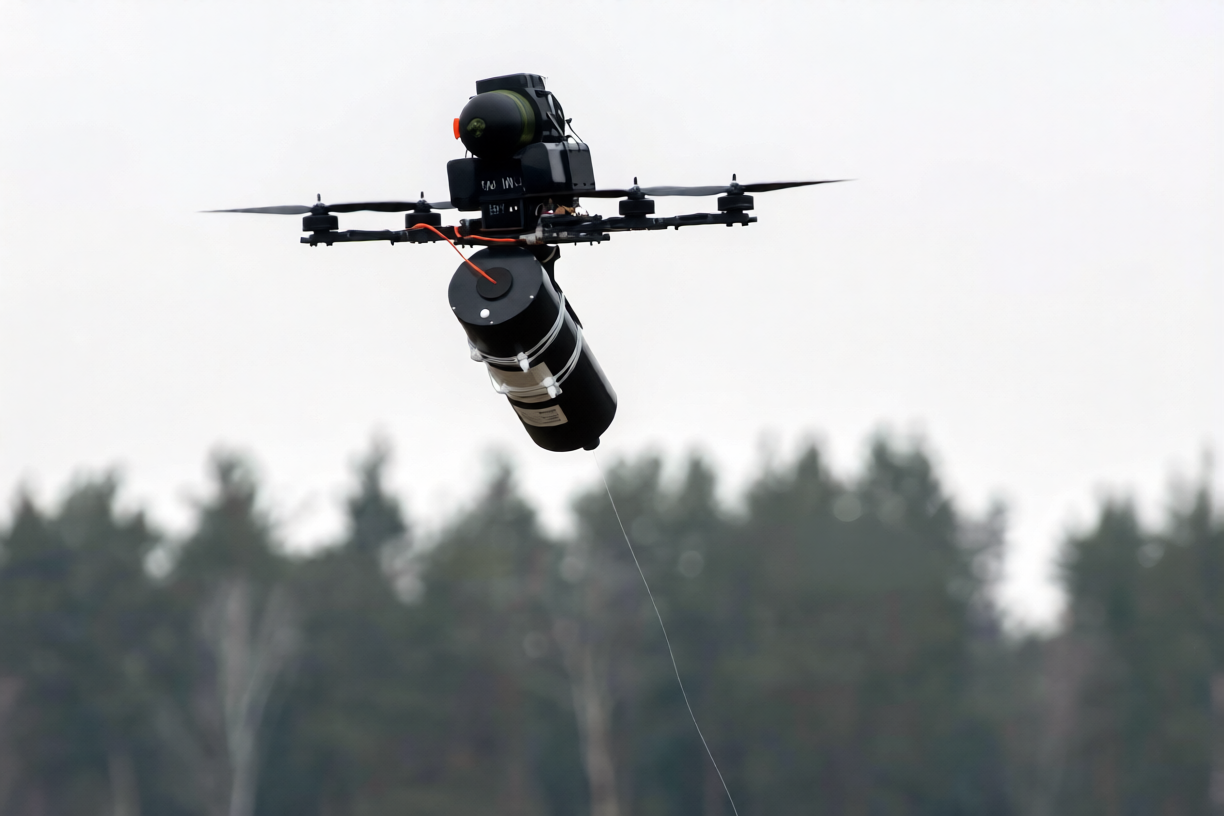
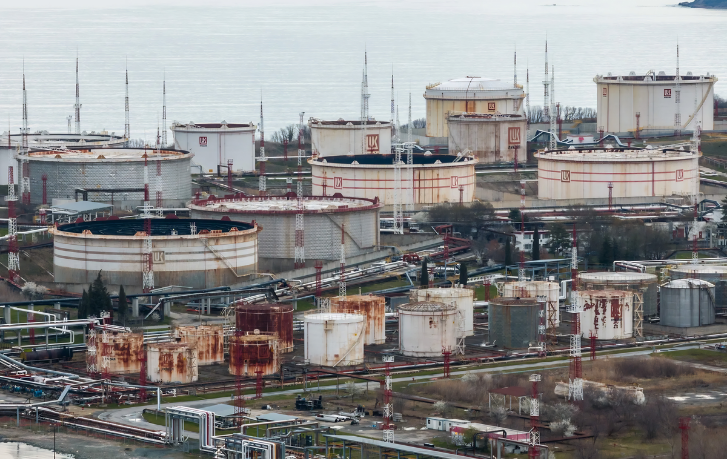
A Ukrainian drone strike has halted crude processing at Lukoil’s Nizhegorodnefteorgsintez refinery in Russia’s Nizhny Novgorod region, leaving all of the company’s major Russian refineries offline. Reuters reported that the shutdown began on August 26 after damage to several processing units, infrastructure connecting those units, and plant-wide facilities.
The refinery is Russia’s fourth largest by processing capacity and its second-largest petrol producer. Yet the most consequential detail is also the largest unknown: industry sources could not provide a repair duration or a date for restarting crude processing. That uncertainty prevents a reliable calculation of the outage’s eventual effect on fuel production, distribution, availability, or prices.
The damage extends beyond one processing unit
A refinery is not a single production machine. It is a network of processing units supported by piping, utilities, electrical systems, controls, storage connections, safety equipment, and other shared facilities. Reported damage across processing equipment, inter-unit infrastructure, and plant-wide facilities therefore matters more than the loss of one isolated component.
That description does not establish which systems failed or how extensive the physical damage is. It does indicate that restoration may require more than repairing an individual unit. Before crude processing can resume, operators may have to inspect affected equipment, verify the integrity of connecting infrastructure, restore common services, and confirm that the plant can restart safely. Reuters’ sources did not identify the required work, so any specific repair sequence or timeline would be speculative.
The immediate capacity consequence is clear but not yet quantified. Nizhny Novgorod has stopped processing crude, while Lukoil’s Perm refinery halted operations after an August 21 drone attack and its Volgograd refinery stopped after an attack on July 31. No combined figure has been provided for the amount of Lukoil processing or petrol output currently unavailable across the three facilities.
Three simultaneous outages change the recovery problem
With all three major Lukoil refineries offline, the industrial issue is no longer confined to one plant. Concurrent outages can place overlapping demands on engineering assessment, specialist labor, replacement equipment, inspection resources, and logistics. Whether those pressures are significant in this case remains unknown because there is no disclosed repair plan, parts inventory, or restart schedule.
The operational scale should also be understood carefully. The available information does not specify how many drones reached the Nizhny Novgorod site, nor does it support conclusions about individual defensive failures. The demonstrated scale is industrial: one additional shutdown has created a company-wide cluster of major refinery outages. That raises readiness questions for both facility protection and recovery capacity, but it does not reveal how the strike was conducted or what protective measures were in place.
Ukraine’s Special Operations Forces said deep-strike units worked with the Unmanned Systems Forces and other defense units in the operation during the night of August 25-26. The physical-damage description and Lukoil-wide shutdown status, however, are attributed to Reuters’ industry sources rather than a publicly released engineering assessment.
Fuel consequences depend on buffers outside the refinery gates
A processing shutdown does not translate automatically into an immediate shortage at filling stations. The practical result depends on existing petrol inventories, output from other producers, regional transport capacity, imports, distribution priorities, and how long the affected refineries remain offline. None of those buffers has been quantified specifically for the three Lukoil shutdowns.
There are signs that the broader Russian refining system was already under pressure. Anadolu Agency reported that Russia had received more than 1 million barrels of seaborne gasoline since late July, alongside supplies from Belarus and Kazakhstan. Those imports provide context for the national supply environment, but they do not prove that the newest Lukoil outage has caused additional imports, local shortages, or price changes.
The International Energy Agency’s August 2026 Oil Market Report reduced its estimate of third-quarter refinery runs by a further 370,000 barrels per day because of attacks on Russian refineries and continued Middle Eastern product-export disruptions. That estimate predates a complete assessment of the newest Lukoil shutdown and covers broader market conditions, not the company alone.
The next decisive information will be an engineering repair scope and a credible restart schedule for Nizhny Novgorod, Perm, and Volgograd. Until those emerge, the confirmed consequence is substantial but bounded: a leading petrol producer has lost crude-processing operations across its principal Russian refineries, while the duration of that loss remains unresolved.
| More aerospace and engineering stories, right in your MSN feed. Follow AMI on MSN |
By Stephen Wallace — Editor for AMI’s aerospace integration and unmanned mobility coverage, focused on drone manufacturing, VTOL systems, autonomous networks, and air-ground mobility links.