U.S. Northern Command Laser Destroys Three Border Drones; Cartel Link Unconfirmed
U.S. Northern Command says an Army high-energy laser destroyed three drones along the southern border, marking the system’s first use against aircraft described by the military as cartel-linked. But the operators have not been publicly identified, and officials have not clarified whether the interceptions occurred in U.S. or Mexican airspace.

The official Northern Command announcement says Joint Task Force Southern Border used the Army Multipurpose High Energy Laser during the late-night hours of August 25 and 26, 2026. The command classified the three aircraft as hostile because it determined they directly supported activities posing a physical threat to U.S. military personnel and Customs and Border Protection partners.
That establishes the military’s basis for engaging the drones, but it does not independently establish who owned or controlled them. The distinction matters near an international border, where military, law-enforcement, commercial and recreational aircraft can share a complicated operating environment.
Successful interceptions leave identification questions
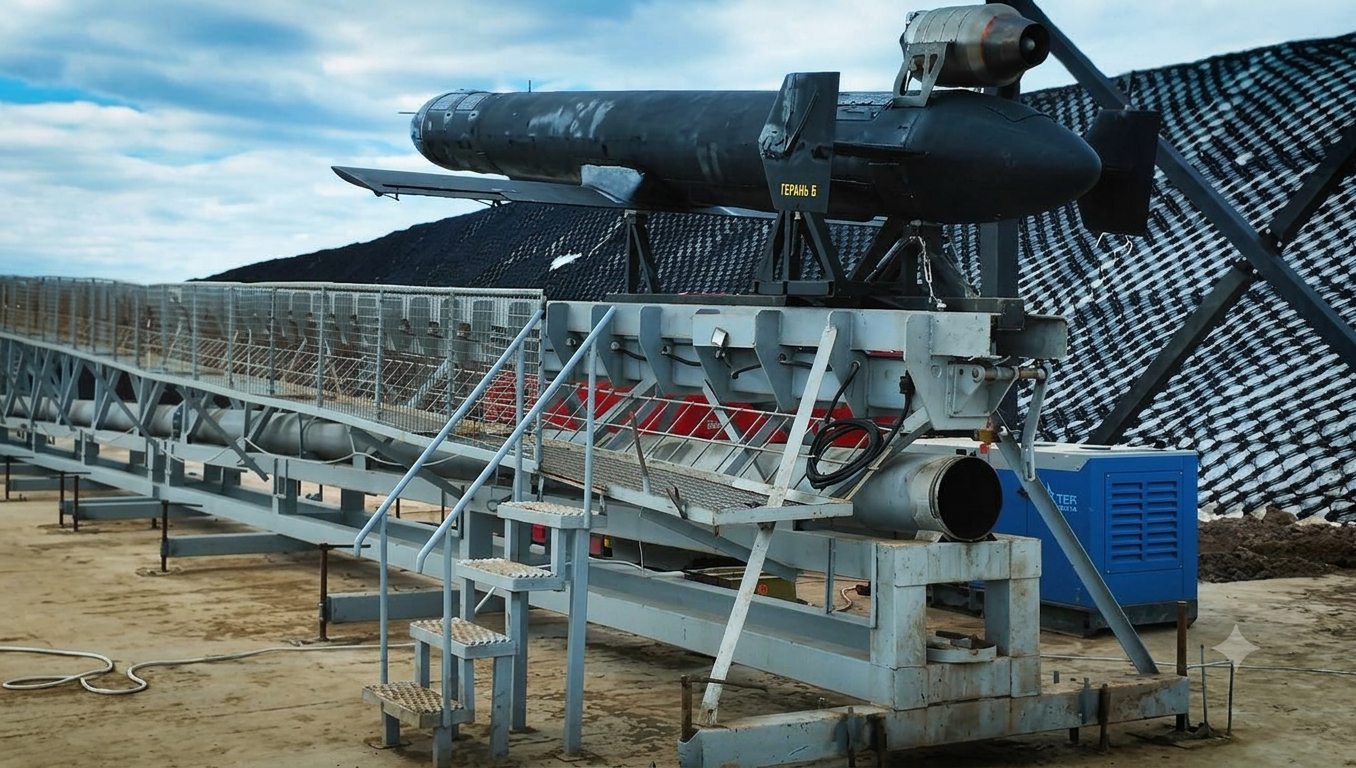
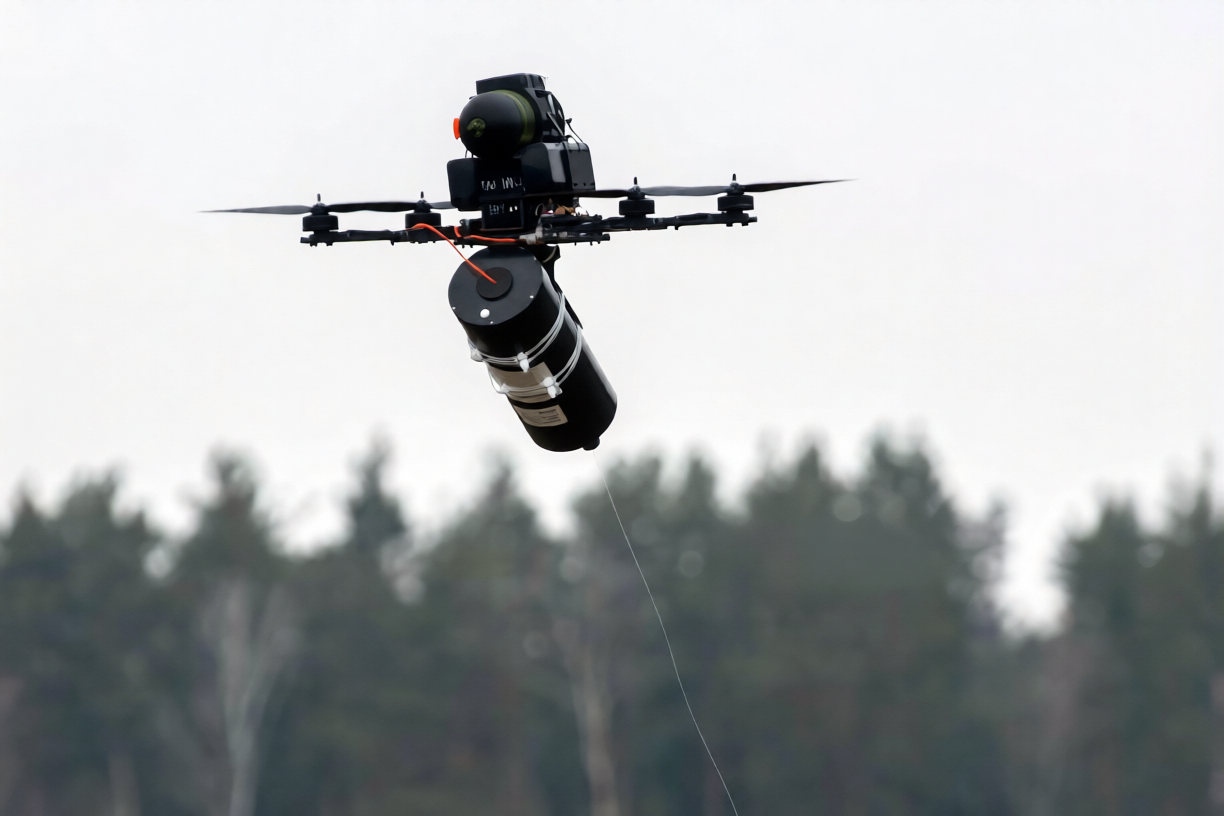
Maj. Gen. Curtis Taylor, commander of Joint Task Force Southern Border, said cartel networks increasingly use uncrewed aircraft to facilitate human smuggling and monitor military and law-enforcement personnel. He described the laser as one part of a layered set of countermeasures rather than a stand-alone defense.
Northern Command did not identify a particular cartel, disclose the drone models or specify exactly where the aircraft were intercepted. Asked whether the engagements occurred over American or Mexican territory, a command spokesperson said the shots “were taken in coordination with all partners operating along the border.” Further details were withheld because of operational security and continuing operations.
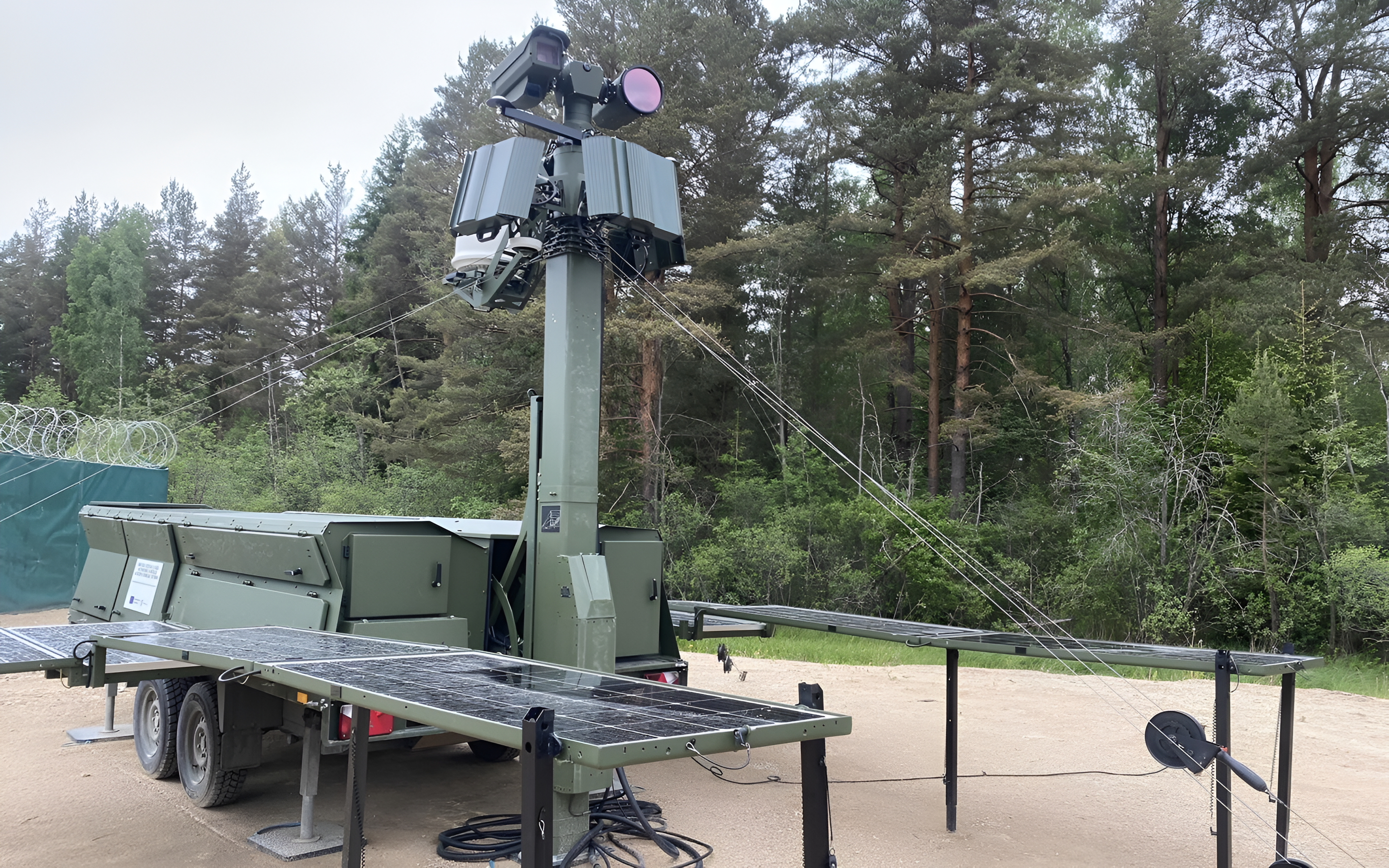
For an operational counter-drone system, destroying the aircraft is only the final visible result. Before an engagement, the larger architecture must detect an object, distinguish it from other air traffic, assess its behavior and route an authorization decision through the responsible organizations. The laser’s reported performance answers the narrow question of whether it defeated these three targets. It does not publicly answer how their identities were assessed or what coordination safeguards governed the decision.
Those safeguards are especially important because earlier border incidents produced documented identification and coordination problems. In February, a military laser destroyed a Customs and Border Protection drone near Fort Hancock, Texas. Another object engaged near El Paso was later identified as Mylar balloons. Those events also contributed to temporary airspace restrictions and criticism of interagency coordination.
The earlier incidents do not show that the August interceptions were mistaken. They do, however, explain why target classification, friendly-aircraft awareness and engagement authorization are central measures of operational maturity. A counter-drone laser can perform as designed against the object it is directed toward while the broader system still depends on reliable sensing, communications and human decisions.
Operational use is a different test from proving the laser works
The three interceptions move the Army Multipurpose High Energy Laser beyond a demonstration result and into a documented border mission. That is significant for readiness, but one short operation cannot establish year-round reliability, maintenance burden or performance across different environmental conditions.
The Pentagon’s Joint Interagency Task Force 401 is separately running a directed-energy pilot intended to examine those operational questions. Systems are planned for several U.S. military installations, including Fort Bliss, Texas; Fort Huachuca, Arizona; Naval Base Kitsap, Washington; Grand Forks Air Force Base, North Dakota; and Whiteman Air Force Base, Missouri. The effort is designed to collect information on power requirements, repair tempo, operating costs and the ability to use directed energy without disrupting other base missions.
That work reflects why lasers are treated as one layer of defense. Their appeal is not simply the beam itself, but the prospect of repeated engagements without consuming a missile for every drone. Field value still depends on electrical power, thermal management, maintenance support, sensors and command procedures functioning together.
A directed-energy evaluation planned for December at the Army’s Dugway Proving Ground in Utah is expected to compare additional systems and could lead to purchase orders for successful entrants. After three confirmed interceptions, the next test is broader than whether a laser can bring down a drone: it is whether the military can operate these systems routinely while identifying targets correctly and coordinating safely in shared airspace.
| More aerospace and engineering stories, right in your MSN feed. Follow AMI on MSN |
By Stephen Wallace — Editor for AMI’s aerospace integration and unmanned mobility coverage, focused on drone manufacturing, VTOL systems, autonomous networks, and air-ground mobility links.