Ukraine Says Zircon Is Slower Ballistic Missile as Patriot Supplies Dwindle
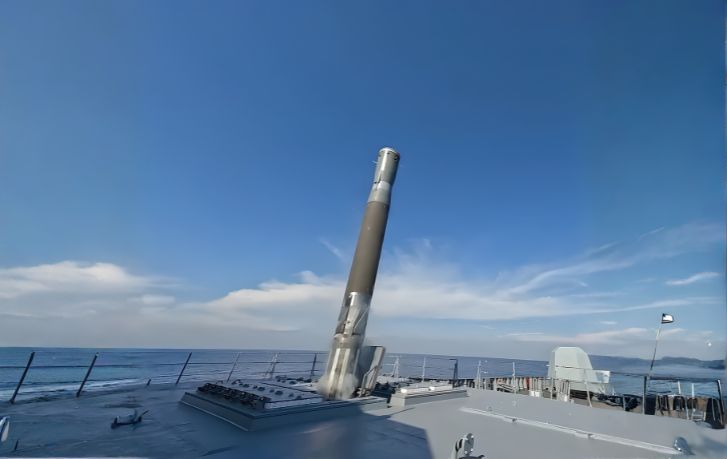
Ukraine’s military intelligence agency says Russia’s 3M22 Zircon is not the Mach 9 hypersonic cruise missile Moscow describes. In an assessment released September 1, the GUR classified Zircon as a two-stage ballistic missile and estimated its maximum speed at Mach 6.8 a significant difference in engineering terms, but not one that makes the weapon easy to intercept.
The findings remain an attributed Ukrainian assessment and have not been independently verified. Russia did not immediately respond to a request for comment reported with the disclosure. Even with those qualifications, the classification dispute matters because it changes the likely propulsion model: a cruise missile sustains powered atmospheric flight, while a ballistic or quasi-ballistic missile gains speed through rocket propulsion and follows a substantially different flight profile.
Two solid-fuel stages challenge the cruise-missile label
The GUR described Zircon as having a solid-fuel booster followed by a solid-fuel sustainer. That configuration points toward a two-stage rocket-powered weapon rather than the air-breathing propulsion generally associated with a hypersonic cruise missile.
Speed alone does not resolve the classification. “Hypersonic” broadly describes flight above Mach 5, and ballistic missiles can exceed that threshold without being cruise missiles. Ukraine’s Mach 6.8 estimate would therefore still place Zircon in the hypersonic range, even though it falls below Russia’s advertised Mach 9 figure.
For air defense, the label is less important than the resulting speed, trajectory and warning time. A rocket-powered missile traveling at hypersonic speed can remain a demanding target even if its architecture differs from the one promoted publicly. Ukraine says Russia is relying more heavily on advanced ballistic weapons as Ukrainian defenses improve against cruise missiles and piston-powered drones.
Ukrainian lawmaker Yehor Cherniev said the shift marks “a new and extremely dangerous stage” requiring better defenses against high-speed threats and additional U.S. assistance in the form of Patriot PAC-3 interceptors. His characterization reflects Ukraine’s position; it is not an independently established assessment of Russia’s broader production strategy.
A production network extending beyond one missile plant
The GUR identified NPO Mashinostroyeniya, part of Tactical Missiles Corporation, as Zircon’s principal manufacturer. It also named more than 70 companies and dozens of people associated with production. That scale indicates a distributed industrial program dependent on specialized suppliers rather than a weapon built entirely within one vertically integrated facility.
Ukraine also reported finding foreign components, including parts made by U.S. companies. Their reported presence does not establish that the manufacturers knowingly supplied Russia’s defense industry, and the available information does not explain how the parts reached the production chain. The disclosure nevertheless adds an export-control dimension to Zircon’s engineering assessment: limiting production may depend as much on tracing intermediaries and older commercial components as restricting complete military systems.
Russia first used Zircon against Ukraine in February 2024, according to Ukrainian authorities. Ukraine then estimated that Russia held approximately 40 missiles. Its inventory is reported to have grown since, but estimates vary, making precise production rates or current quantities impossible to establish from the available public information.
Patriot capacity is the harder constraint
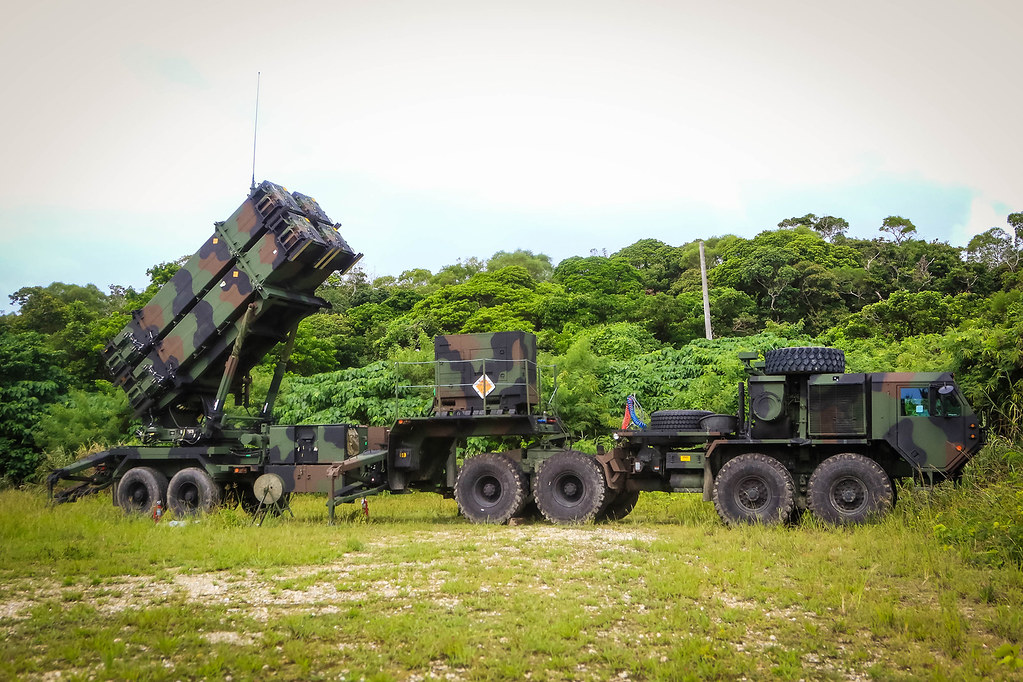
Ukraine depends on the U.S.-made Patriot system and its PAC-3 interceptors against difficult missile threats, while warning that interceptor supplies are running low. Every increase in ballistic-missile use therefore creates a readiness problem extending beyond radar performance or engagement capability: a defense system cannot protect its assigned area without enough compatible interceptors available at the required time.
The United States is moving to enlarge that industrial base. On August 31, the government announced seven-year framework agreements with General Dynamics and Lockheed Martin intended to triple PAC-3 Missile Segment Enhancement production capacity. The planned expansion includes specialized missile components, workforce growth, material purchases and facility upgrades, although funding remains subject to annual appropriations.
That production plan is a long-horizon response to an immediate inventory problem. Ukraine’s assessment may cut Zircon’s claimed top speed and change its technical category, but it does not remove the operational burden. The central constraint is increasingly the number of suitable interceptors that industry can deliver not the name attached to the incoming missile.
| More aerospace and engineering stories, right in your MSN feed. Follow AMI on MSN |
By David Whitaker — Associate editor for AMI’s aerospace and drone systems desk, translating flight systems, aircraft programs, spaceflight, and UAV developments into accessible technical stories.