Toyota bZ Reaches 314 Miles but Cannot Plan Charging Stops
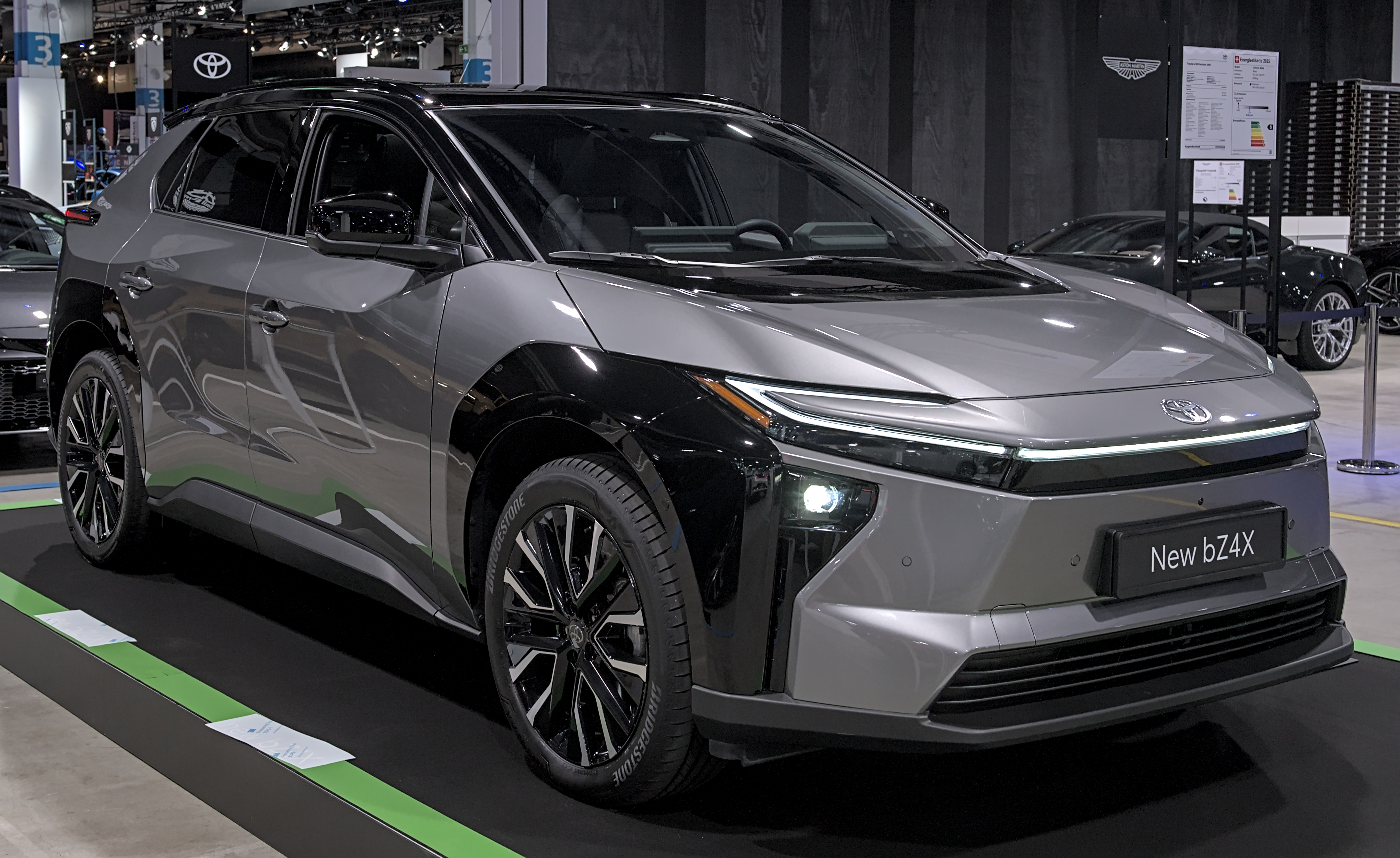
The 2026 Toyota bZ has the range and charging access needed to become a more credible road-trip vehicle, but it lacks a basic software function for using them together. The electric crossover can travel an estimated 314 miles in its longest-range configuration and connect directly to compatible Tesla Superchargers, yet its built-in navigation cannot select charging stations and incorporate those stops into a long route.

That omission creates a notable systems-integration gap in a vehicle starting at $36,350 including destination. The navigation system can recognize that charging will be necessary, but drivers must search for chargers through Toyota’s smartphone app and then arrange the trip themselves. Apple Maps was expected to provide route planning through Apple CarPlay, although the reviewer could not make that feature work during a Toyota-provided weeklong test.
The hardware changes are substantial. Toyota has shortened the bZ4X name to bZ and now offers 57.7-kilowatt-hour and 74.7-kilowatt-hour battery packs. Depending on battery, trim and drivetrain, estimated range runs from approximately 236 to 314 miles. The maximum is 62 miles above the former bZ4X ceiling of 252 miles.
Output also rises sharply. Front-wheel-drive versions produce 221 horsepower, while all-wheel-drive models reach 338 horsepower. The previous all-wheel-drive bZ4X produced 214 horsepower. Toyota claims the front-wheel-drive bZ can accelerate from zero to 60 mph in eight seconds, giving the updated crossover more usable performance without limiting the longest-range model to all-wheel drive.
Better charging hardware does not solve trip planning
The 2026 model replaces its former Combined Charging System connector with a native North American Charging Standard port. That gives it direct access to more than 25,000 Tesla Supercharger stalls open to non-Tesla vehicles in the United States and Canada, according to an account of Toyota and Subaru’s network access. With a payment method configured in the Toyota app, Plug & Charge can start and bill a compatible session automatically.
Toyota also supplies adapters for older Level 1 and Level 2 equipment and Combined Charging System fast chargers. That matters because changing the vehicle-side port expands convenient Supercharger access but does not eliminate the need to connect with the large installed base of other public chargers.
Peak direct-current charging power remains 150 kilowatts, which is unchanged and lower than the peak figures offered by some newer competitors. Toyota instead revised the charging curve and removed the original bZ4X’s restriction on multiple fast-charging sessions in one day. Repeatability is important on a long journey: a high peak number has limited value if battery-temperature controls or software restrictions prevent the vehicle from delivering useful charging performance at later stops.
The specific bZ tested was not connected to a direct-current fast charger, so an estimated 15-to-80-percent time of about 25 minutes was not verified on that vehicle. A related bZ Woodland test recorded a 5-to-80-percent session in 27 minutes, but its configuration and test window differ. That result therefore should not be treated as a measured charging time for the 314-mile front-wheel-drive bZ.
Cold weather also separated rated and displayed range
The weeklong test covered an XLE FWD Plus with the 74.7-kilowatt-hour battery. In temperatures that sometimes fell below zero, its displayed full-charge range varied from approximately 245 to 267 miles, and observed efficiency reached 2.7 miles per kilowatt-hour. Those are reviewer observations under cold conditions, not replacements for the model’s official estimated range.
The test vehicle weighed 4,057 pounds and was described as agile, comfortable and easy to operate. Packaging remains less competitive: the bZ provides 28 cubic feet of cargo room behind the second row, falling to 26 cubic feet with the JBL audio system, and has no front trunk.
The software limitation appears tied to Toyota’s platform choices. The bZ retains the company’s previous software system instead of receiving the newer Arene platform used by the 2026 RAV4 and planned for the new Highlander EV. Cloud navigation is also offered by subscription, while the Toyota app handles charger searches, remote start and charging management.
Toyota has not confirmed that current bZ vehicles will receive integrated charging-route planning. Asked about adding the missing functions in future model years, a spokesperson said, As always, we will listen to the voice of the customer to evaluate these features for future model years. Until that evaluation produces a confirmed update, the bZ’s 314-mile range and broader charging access remain more integrated mechanically than digitally.
| More aerospace and engineering stories, right in your MSN feed. Follow AMI on MSN |
By Thomas Caldwell — AMI’s senior editor for mechanical and mobility engineering, covering vehicle electronics, systems integration, electrification, chassis systems, propulsion, and safety policy.