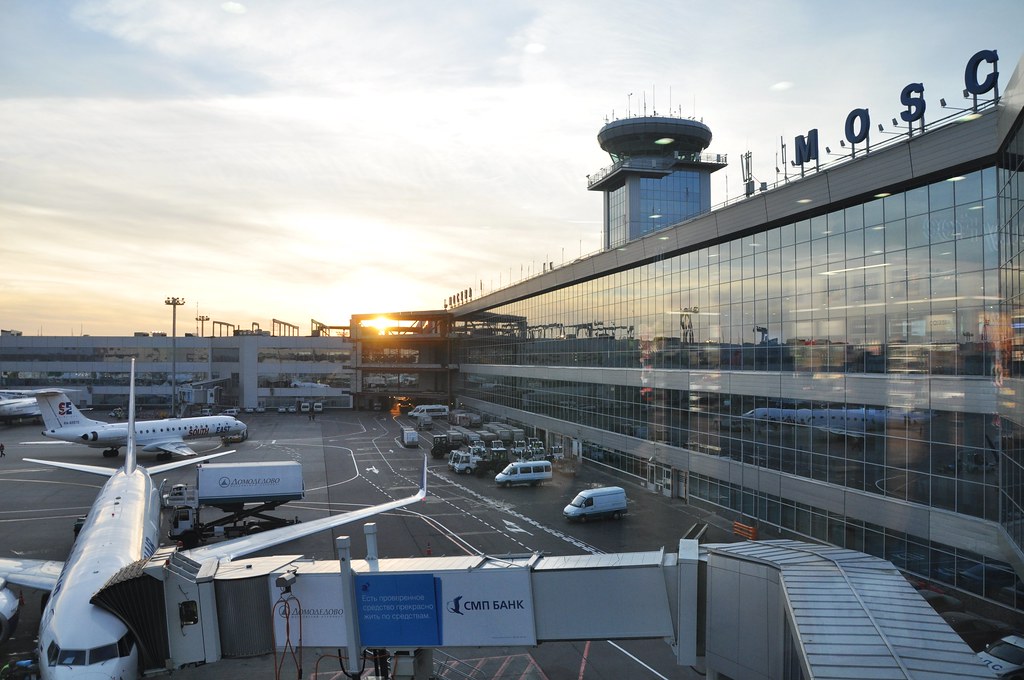
Drone Alerts Restrict Moscow Airports Again, With 43 Cancellations and 329 Delays
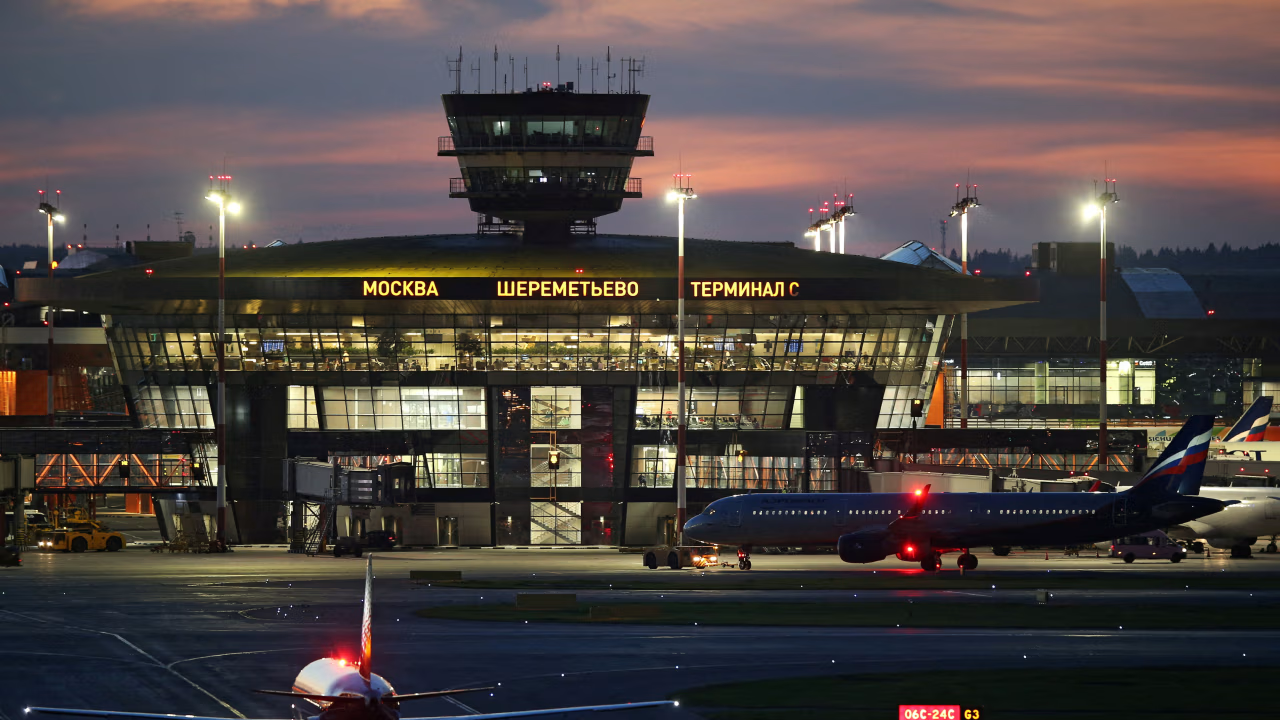
Drone alerts restricted civilian flights at two major Moscow airports for a second consecutive night, extending a disruption that produced 43 cancellations and 329 delays in the cited flight data. Russia’s federal aviation authority, Rosaviatsia, temporarily limited arrivals and departures at Vnukovo and Sheremetyevo on September 2 as military activity again interfered with the capital’s commercial-airline network.

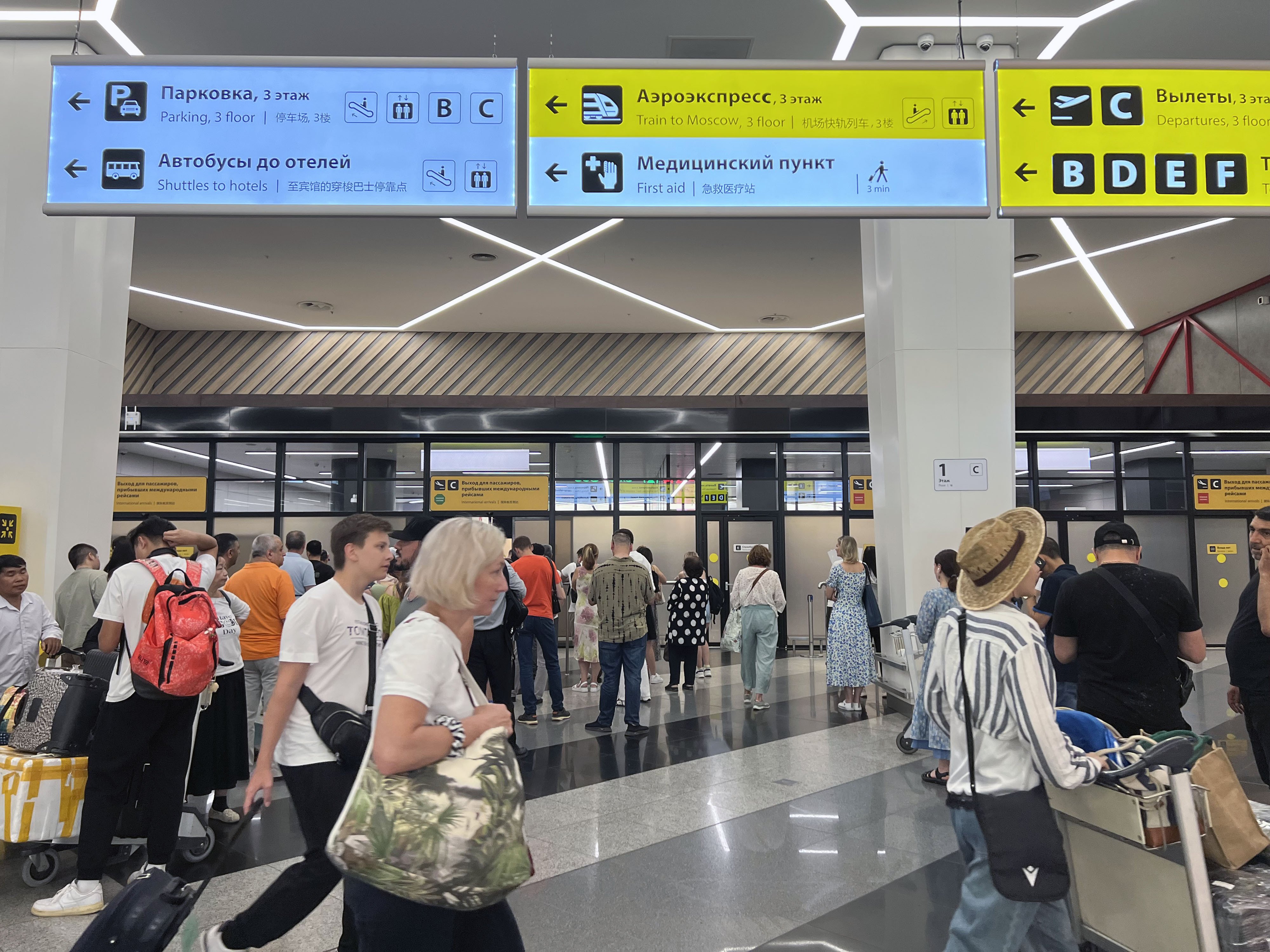
Flightradar24 figures showed 21 cancellations and 235 delays at Sheremetyevo, along with 22 cancellations and 94 delays at Vnukovo. Three Moscow airports had temporarily stopped operating during the preceding night. No strike on a civilian aircraft was reported, but that is not required for a drone alert to impose a substantial operational penalty: precautionary restrictions can remove airport capacity faster than airlines can rebuild their schedules.
Short restrictions can produce long airline delays
An airport does not immediately return to normal when a temporary flight restriction ends. Aircraft waiting to depart remain at gates or stands, inbound flights may be held, diverted or turned around, and crews continue moving toward legal duty-time limits. Passengers and baggage must also be reassigned when an aircraft arrives late or at a different airport.
Those effects make the cancellation count only one measure of the disruption. The 329 delays across Sheremetyevo and Vnukovo indicate a wider schedule-recovery problem: once planned arrival and departure sequences are interrupted, airlines must fit displaced flights into the capacity that remains while continuing to handle the day’s regular schedule.
Repeated alerts amplify that burden. A carrier can absorb an isolated closure with schedule padding, spare aircraft or a diversion plan. Consecutive nights create more uncertainty over whether an aircraft, crew and gate will be available for the next operating day. Cargo operators face the same basic synchronization problem, while insurers and airline risk teams must decide whether continued access to Russian airspace justifies the changing operational exposure.
Airlines are making different risk decisions
Pegasus Airlines canceled 12 flights to and from Vnukovo overnight, according to airport data summarized by Airways Magazine. A Moscow-bound Pegasus service from Antalya was also diverted to Istanbul. The airline attributed its cancellations to “technical and operational” reasons and did not publicly connect them to Ukraine’s warning, an important limit on any claim about why the carrier changed those flights.
The broader airline response remains uneven. European and U.S. carriers have generally avoided Russian airspace since 2022, but airlines from Türkiye, China, India and Gulf states have continued operating flights to or through Russia. These carriers can therefore reach different conclusions based on route structure, regulatory obligations, internal security assessments and the cost of avoiding Russian airspace.
For operators still using the region, recurring airport restrictions add a reliability question to the underlying safety assessment. A route may remain legally available yet become less dependable if aircraft repeatedly encounter closures, diversions or mid-flight turnarounds. That distinction matters because airlines plan networks around predictable aircraft utilization, not merely whether an airport is technically open for part of the day.
A warning is not an international closure
Ukrainian President Volodymyr Zelenskiy warned airlines, cargo companies and insurers on September 1 that risks in Russian airspace were increasing. He attributed that warning to an intended expansion of Ukrainian long-range drone operations and said Ukrainian forces do not target civilian aircraft. Those remain attributed statements about Ukraine’s plans and intent, not independently established findings about future operations.
Foreign Minister Andrii Sybiha subsequently said Ukraine had formally notified the International Civil Aviation Organization about growing risks to civilian aviation. Ukraine also asked the United Nations aviation body to recommend that member states prohibit civilian operations in Russian airspace. That request had not become an ICAO prohibition in the information available, and it should not be treated as one.
A narrower European aviation advisory already exists. The European Union Aviation Safety Agency recommends that covered operators avoid western Russian airspace at all altitudes, including the flight-information regions serving Moscow and several other major cities. The guidance, revised in July 2026 and extended through January 31, 2027, is a recommendation rather than a universal ban on non-European airlines flying between their home countries and Russia.
The immediate readiness challenge is therefore split between two systems. Airport authorities must preserve separation and suspend movements when they judge conditions require it, while airlines must decide whether a route can remain safe, insurable and operationally reliable. At Vnukovo and Sheremetyevo, the second consecutive night demonstrated the cost of that precaution before any reported impact on an airliner: 43 canceled flights, 329 delayed flights and another day of recovery work for the civilian network.
| More aerospace and engineering stories, right in your MSN feed. Follow AMI on MSN |
By Stephen Wallace — Editor for AMI’s aerospace integration and unmanned mobility coverage, focused on drone manufacturing, VTOL systems, autonomous networks, and air-ground mobility links.