Ukraine Clears 1,526 Military Systems as Domestic Drones Drive Procurement Expansion
1,526 is the number of weapons and military-equipment models Ukraine cleared during the first eight months of 2026. The Ukrainian Ministry of Defense’s codification total was 543 higher than the 983 models cleared in the comparable period of 2025, substantially expanding the equipment available for possible procurement and delivery to the country’s Defense Forces.
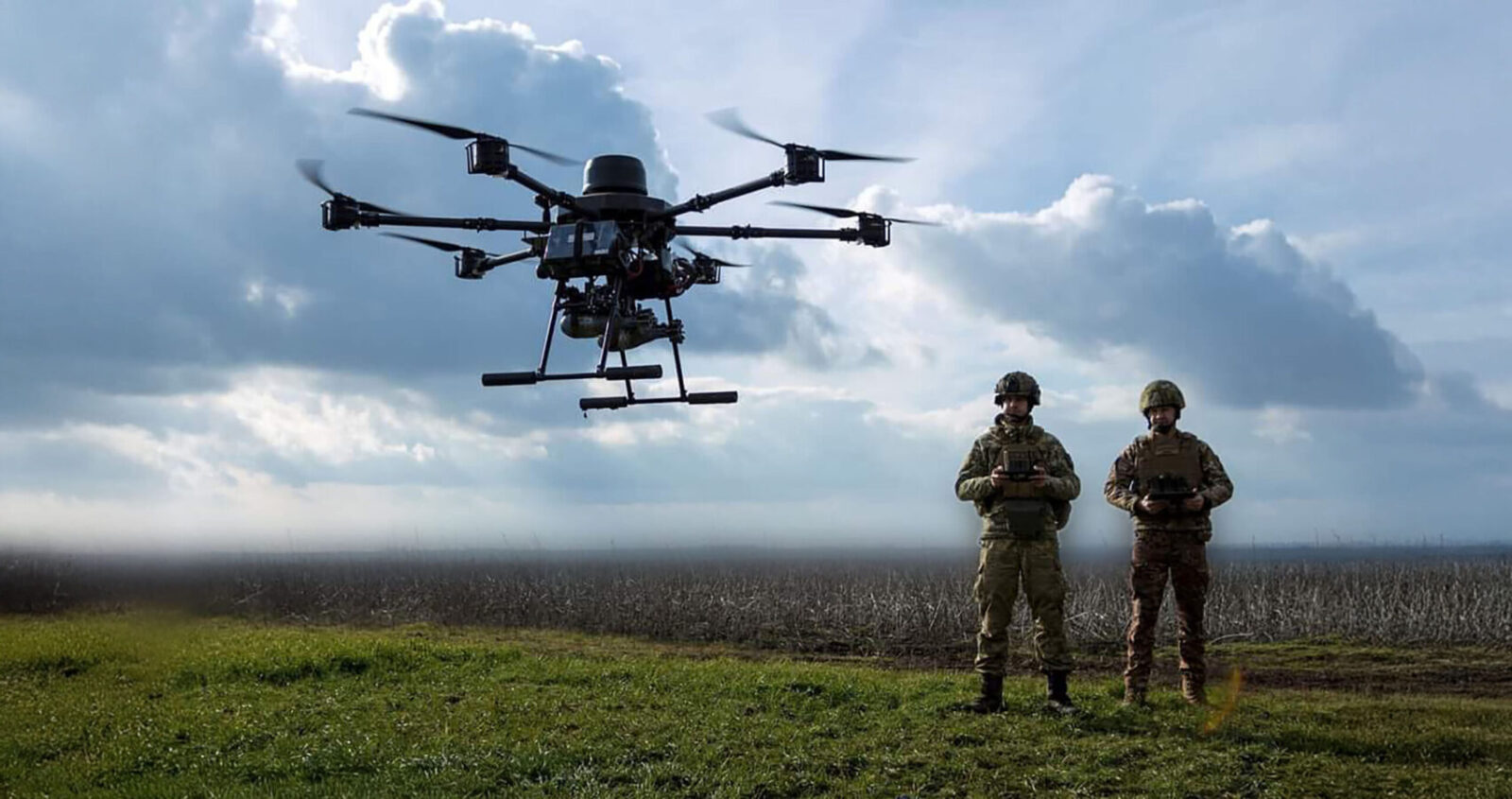
Domestic unmanned aircraft formed the largest named technology group in that pipeline. The ministry authorized 565 Ukrainian-made aerial systems, while Ukrainian products accounted for nearly 91% of all newly codified equipment. The domestic share was 86% during the same period a year earlier.
Those figures show a rapidly widening procurement pool, but they require an important boundary: codification is not a purchase order. It is an administrative and technical determination that a model meets military requirements and can be procured and delivered. The total does not establish how many approved designs have entered production, how many units Ukraine has ordered, or how many have been deployed.
Unmanned systems extend beyond aircraft
The 565 aerial systems included long- and medium-range strike drones and high-speed interceptor drones intended to counter hostile unmanned aircraft. At a high level, the breadth of that group illustrates how Ukraine’s drone sector is producing systems for multiple mission categories rather than advancing one standardized aircraft family.
The ministry also cleared 86 unmanned ground vehicles. These platforms broaden the robotics pipeline into ground-based work, while 64 newly approved electronic-warfare and signals-intelligence systems add another layer of supporting equipment. Together, the aerial, ground and electronic categories account for 715 approvals, although the available figures do not show how many technologies overlap or how the ministry classifies systems that combine several functions.
For manufacturers, codification is the gateway between an engineered product and formal procurement eligibility. It confirms that a design has passed the applicable requirements process, allowing acquisition authorities to consider it for supply. It does not eliminate the next industrial constraints: financing, components, repeatable production, quality control, maintenance capacity and operator training still determine whether an approved model can become a sustainable fleet.
The unusually large number of models also creates a systems-management challenge. More procurement choices can help authorities match equipment to different requirements and give domestic developers a route into the supply system. At the same time, a broad catalog can increase the burden associated with configuration control, spare parts, software support, documentation and training if many distinct models are purchased. The published totals do not reveal whether Ukraine plans to consolidate designs or maintain a highly diverse equipment base.
The approvals cover a wider support network
Drones were only part of the eight-month expansion. Ukraine also codified 256 ammunition types, 139 communications systems, 52 vehicles, 48 armored or specialized armored vehicles and 37 optical devices. The cleared portfolio included 26 rear-support items, 21 training simulators, 19 engineering and demining systems, 10 maintenance items and three products for radiological, chemical and biological protection.
That distribution matters because an unmanned fleet depends on more than airframes. Communications equipment, training systems and maintenance products contribute to whether aircraft and ground robots can be introduced, supported and kept serviceable. The figures do not connect particular support products to particular drones, but they show that the approval pipeline includes parts of the surrounding operational and maintenance structure.
One recently codified example outside the drone category is the Ukrainian-made INGUAR-4 armored recovery vehicle. Derived from the INGUAR-3, it uses a reinforced frame, an additional powered axle, a heavy-duty winch and a hydraulic recovery system. It is designed to retrieve damaged Ukrainian and foreign armored vehicles from combat areas.
Ukrainian authorities said testing confirmed that the vehicle could perform recovery work in difficult terrain while reducing operating costs, maintenance complexity and acoustic signature. They also said it could travel faster and farther on public roads without a tank transporter. No supporting test figures, comparison conditions or procurement quantities were provided, so those remain attributed performance claims rather than independently quantified results.
The central development is therefore not that Ukraine has fielded 1,526 new systems. It is that the country has made that many models eligible to move into procurement and delivery in only eight months, with almost 91% coming from domestic producers. The next consequential measure will be how much of that record-sized approval pipeline converts into repeatable production, funded orders and maintainable equipment.
| More aerospace and engineering stories, right in your MSN feed. Follow AMI on MSN |
By Stephen Wallace — Editor for AMI’s aerospace integration and unmanned mobility coverage, focused on drone manufacturing, VTOL systems, autonomous networks, and air-ground mobility links.