Leidos Increases U.S. Air-Defense Deliveries as Huntsville Workforce Grows 13%
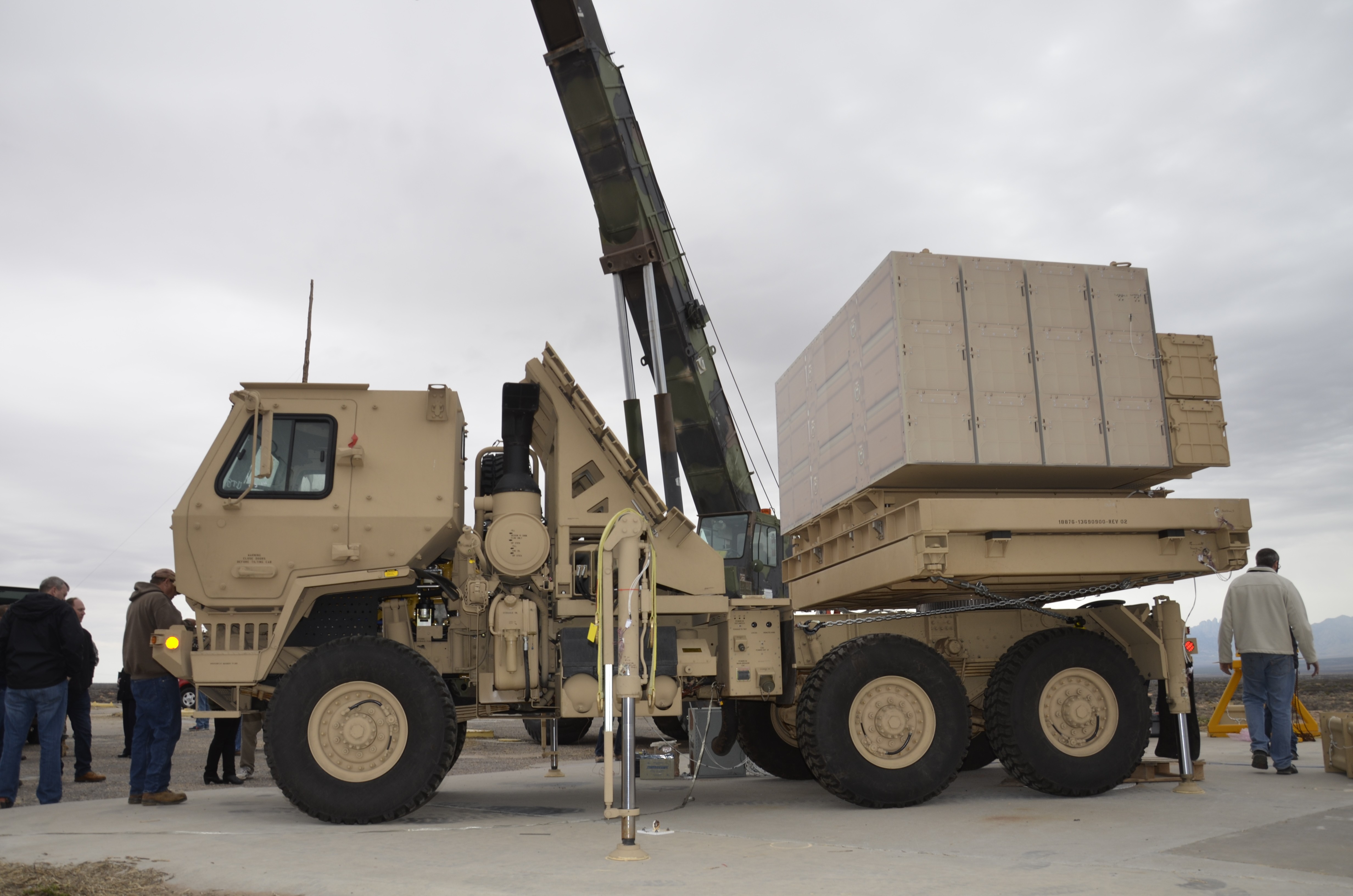
Leidos says it is delivering increasing numbers of U.S. Army air-defense launchers as the company expands the Huntsville, Alabama, workforce supporting its defense business. Chief Executive Officer Tom Bell said during Leidos’ second-quarter 2026 earnings call that production of the Indirect Fire Protection Capability system is reaching “full stride,” with deliveries rising both monthly and annually.
The production ramp matters because IFPC is intended to fill a specific layer in U.S. air defense: a mobile, ground-based system positioned between short-range defenses and strategic systems such as Patriot and the Terminal High Altitude Area Defense system. Bell said the program is meeting customer testing and fielding objectives, indicating that Leidos is moving beyond prototype work and into repeatable production and delivery.
“We’re delivering more and more units every year, every month,” Bell said. Leidos had already announced in April 2025 that it was preparing to expand IFPC launcher production under an indefinite-delivery, indefinite-quantity arrangement with the Army. The first delivery order covered 18 launchers supporting Guam defense systems, while later low-rate and full-rate quantities were left to future orders.
That distinction is important in evaluating the latest update. Bell’s comments establish that output and deliveries are increasing, but they do not provide a new total production quantity, monthly rate or delivery schedule. The clearest confirmed change is that a program previously preparing for larger-scale manufacturing is now moving more hardware through production while meeting stated testing and fielding objectives.
Launcher design supports a changing interceptor mix
IFPC’s architecture gives that production ramp importance beyond the number of launchers alone. The system integrates with the Army’s broader air-and-missile-defense network and is designed to accept different interceptors as requirements evolve. Current launchers use the AIM-9X interceptor, while future deliveries are being prepared for additional options being considered by the Army.
From a manufacturing perspective, an open configuration can reduce the need to redesign the entire launcher when a new interceptor is introduced. It does not eliminate integration, testing or procurement work, but it can preserve the value of launcher production while the Army evaluates a broader mix of effectors. That makes steady launcher output one part of a longer industrial effort rather than a complete measure of fielded defensive capacity.
Leidos is also widening the range of defense programs supported by that industrial base. Bell cited an award for sensor payloads on 18 additional missile-warning and missile-tracking satellites supporting Golden Dome. The award’s value was not disclosed during the call, but the additional payloads represent confirmed work alongside the newer IFPC production update.
Counter-drone systems are a less settled part of the expansion. Bell said Leidos has technologies for detecting unmanned aircraft and producing non-kinetic effects against them, but he did not identify the mechanisms, customers, contract status or demonstrated operating performance. Potential counter-drone work is included in a $12 billion defense-technology opportunity pipeline that Leidos expects to pursue over the next 12 months.
That $12 billion figure is not awarded revenue. It includes potential follow-on work and new production contracts, meaning the programs still depend on customer selections, appropriations, contract awards and, where applicable, further testing. The pipeline shows the scale of work Leidos wants to compete for, not the amount customers have committed to buy.
Huntsville hiring adds manufacturing depth
Leidos’ employment figures provide a more concrete measure of its near-term expansion. The company said its Huntsville workforce has grown 13% since the start of 2026, with manufacturing workers accounting for 33% of that increase. That mix suggests the expansion is not confined to program management or engineering positions; a meaningful share is tied directly to building hardware.
For U.S. defense customers, workforce growth and higher launcher deliveries can improve the industrial capacity available for air defense, missile warning and base-defense programs. Yet the three areas are at different levels of maturity: IFPC units are moving through production, 18 additional satellite payloads are under award, and much of the counter-drone portfolio remains an opportunity Leidos intends to pursue.
The next meaningful measure will be whether Leidos can convert its larger Huntsville manufacturing base into sustained IFPC delivery rates and turn parts of the $12 billion pipeline into funded production contracts without confusing potential demand with orders already in hand.
| More aerospace and engineering stories, right in your MSN feed. Follow AMI on MSN |
By David Whitaker — Associate editor for AMI’s aerospace and drone systems desk, translating flight systems, aircraft programs, spaceflight, and UAV developments into accessible technical stories.