Reported Drone Wave Disrupts More Than 400 Flights Across Russia
More than 400 flights were delayed or canceled across Moscow, St. Petersburg and Ufa on October 29 as a reported drone wave prompted restrictions on civilian airport operations. At least 16 aircraft were diverted, turning an airspace-security response into a network-wide disruption for passengers, airlines and airport operators.
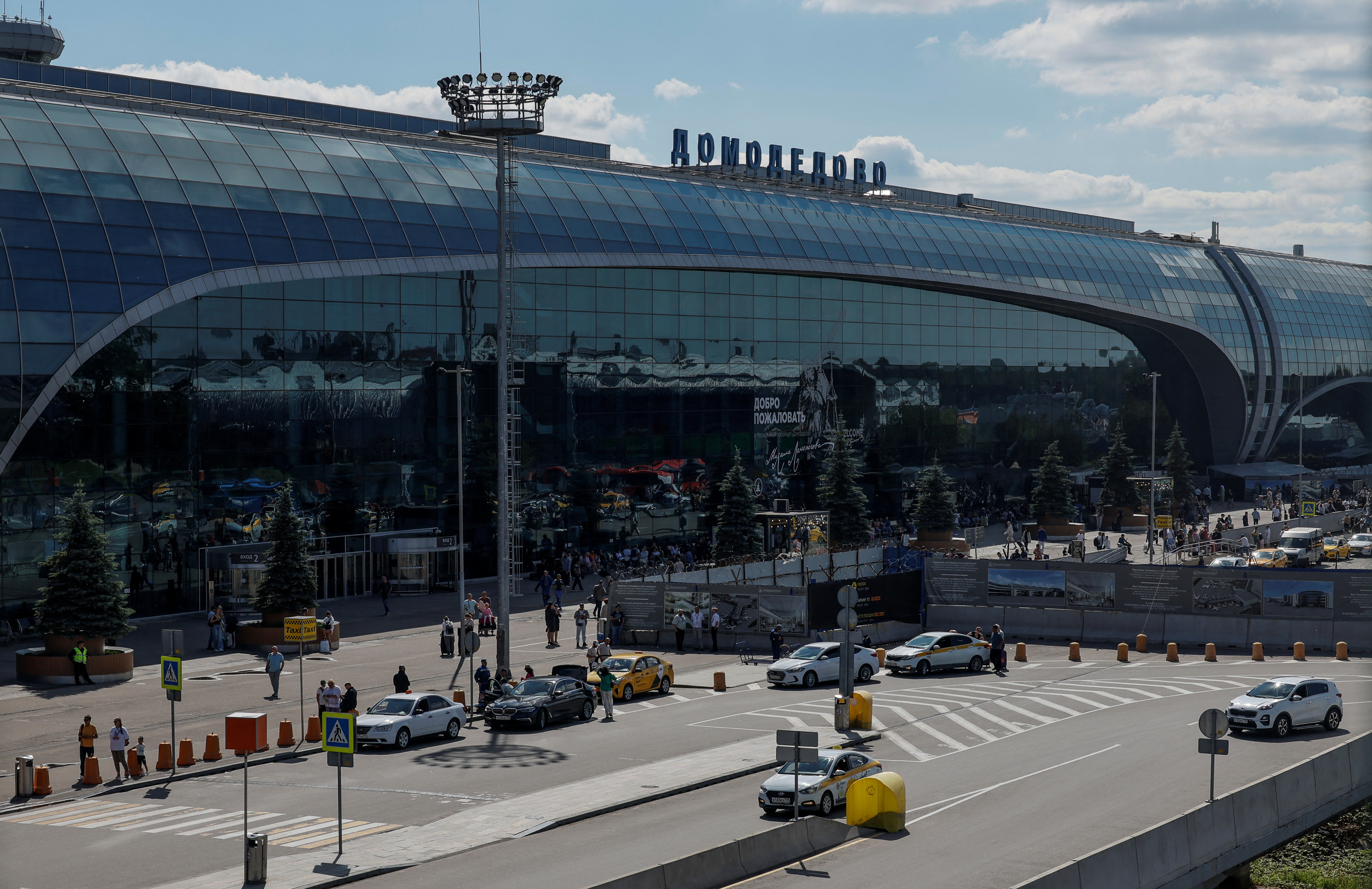
The largest reported concentration of delays was in Moscow’s three-airport system. Baza estimated that Sheremetyevo had 149 delayed flights and five cancellations, Vnukovo had 137 delays, and Domodedovo had 42 delays, including one canceled flight. At Pulkovo Airport in St. Petersburg, six flights were canceled and 57 delayed. Pulkovo also received the 16 diverted aircraft. The available figures do not provide an airport-level count for Ufa.
Russian officials described the accompanying drone activity as exceptionally large. Russia’s Ministry of Defense claimed that air defenses intercepted 1,214 drones over 18 regions and Moscow during the night and morning. Bloomberg characterized that as the largest single-night interception total reported by Russian authorities since the full-scale war began. Moscow Mayor Sergei Sobyanin separately said 613 drones flew toward Moscow and its surrounding region from the evening of October 28 through the morning of October 29, claiming that 231 were shot down on approach. Those interception figures have not been independently verified.
Why restrictions spread through a flight network
An airport does not need to close completely for disruption to accumulate. Restrictions on arrivals, departures or nearby routes reduce the number of aircraft that controllers can safely move through the available airspace. Scheduled demand then exceeds the temporarily reduced capacity, creating queues even while some flights continue operating.
Holding aircraft at their departure airports is generally preferable to allowing them to enter constrained airspace and wait in flight. Ground delays conserve fuel and keep more operational options available, but they also displace aircraft and crews from the positions assumed by the rest of an airline’s schedule. One delayed arrival can therefore become a late departure on the aircraft’s next assignment, while passengers making connections may need to be rebooked.
Diversions create a more demanding recovery problem. An alternate airport must provide a suitable landing option, but the operational burden continues after touchdown. The carrier must find parking space, ground handling, passenger services and a workable plan for the aircraft and crew. It must then decide whether the flight can continue to its original destination or should be canceled.
A 2026 study of flight diversions and recovery decisions found that concentrating diverted traffic at major airports can create new congestion bottlenecks. Its analysis of Chinese domestic operations is not a direct model of Russia’s October 29 disruption, but it illustrates the underlying network constraint: an alternate airport’s runway is only one part of its useful capacity. Gates, airline support, crews and passenger-processing resources also determine how many unexpected arrivals it can absorb.
Multiple airports add flexibility and coordination demands
Moscow’s separate airports provide more options than a city dependent on one hub, but a multi-airport region does not operate as a pool of interchangeable capacity. Airlines have different ground-service arrangements, aircraft positions and crew resources at each airport. Moving a flight to another field may protect the immediate landing, yet leave the carrier with passengers and equipment away from the planned destination.
Pulkovo’s receipt of 16 diverted aircraft shows how the disruption crossed from precautionary restrictions into physical redistribution of traffic. Every diversion transferred part of the recovery workload to another airport. If normal access resumes quickly, some aircraft may continue to their intended destinations. A longer restriction raises the chance that crew-duty limits, schedule conflicts or unavailable ground resources will make cancellation the more practical outcome.
The reported scale also placed air-defense activity and civilian traffic management under pressure at the same time. Authorities had to manage a claimed large interception effort while preserving safe separation for commercial aircraft or keeping them outside restricted areas. The defense totals cannot be independently confirmed, but the civilian consequence is visible in the hundreds of disrupted flights and the need to redirect aircraft.
Reopening airspace is only the first stage of recovery. Airlines must still reposition aircraft, restore crew rotations and work delayed passengers back into schedules built around limited seats and airport slots. Sixteen diversions may appear small beside more than 400 delayed or canceled flights, but those displaced aircraft represent the part of the disruption that physically moved into other airports and can continue affecting the network after the original restrictions end.
| More aerospace and engineering stories, right in your MSN feed. Follow AMI on MSN |
By Stephen Wallace — Editor for AMI’s aerospace integration and unmanned mobility coverage, focused on drone manufacturing, VTOL systems, autonomous networks, and air-ground mobility links.