ExxonMobil and Chevron Run Refineries at Records, but Fuel Stays Costly
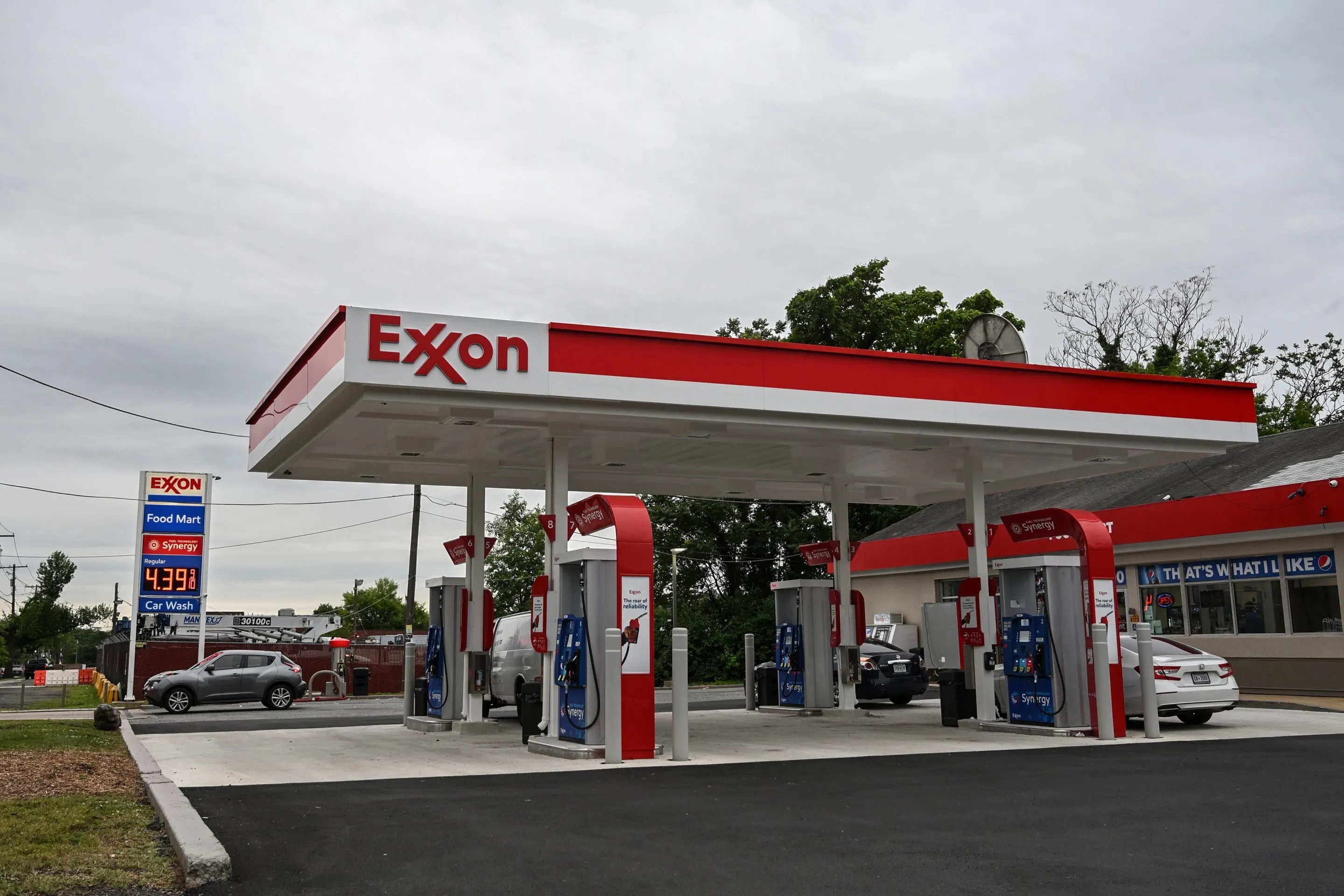
ExxonMobil and Chevron are pushing record volumes through their refineries, yet motorists and freight operators are still paying unusually high fuel prices. Gasoline remained above $4 per gallon and diesel above $6 as the companies reported sharply higher third-quarter profits on October 30, 2026: ExxonMobil earned $15.4 billion, up from $7.5 billion a year earlier, while Chevron earned $9.9 billion, up from $3.5 billion.
The tension reflects a basic limit of refinery utilization. Running an available plant harder can increase near-term output, but it cannot quickly replace extensive capacity that is offline elsewhere, restore depleted inventories or resolve constraints on moving crude oil and finished fuels between regions. Chevron Vice Chairman Mark Nelson estimated that approximately 10% of global refining capacity was offline during the quarter.
ExxonMobil reported 100% crude-unit utilization at its U.S. Gulf Coast refineries and record fuel-plant utilization outside the Middle East. Chevron also reported record refinery throughput. ExxonMobil’s third-quarter results additionally showed its highest global diesel yield and North American diesel volumes on the company’s current asset basis.
Those records are significant because diesel and related distillates serve trucking, construction equipment, agriculture and some heating markets. They are also products that a refinery must be configured to make in the required proportions. A high overall crude-processing rate does not automatically produce enough diesel to cover a specific market shortfall.
Why record U.S. operations have not closed the gap
The International Energy Agency said global refinery runs were expected to fall to a seasonal low of 81.3 million barrels per day in October before recovering to 84.6 million by year-end. Its October Oil Market Report projected a 2.3-million-barrel- er-day decline in average global refinery runs for 2026, followed by a 2.8-million-barrel per-day increase in 2027.
The agency also reported that September global diesel exports were 700,000 barrels per day below their year-earlier level. Lower exports from Russia and the Middle East outweighed increased supply from the United States and China, while inventories continued to fall. Russian refinery output had declined from a typical 6.5 million barrels per day across 32 facilities to about 3.8 million barrels per day.
This makes inventories as important as current production. Even if output catches up with consumption for a period, stocks depleted during an earlier deficit still need to be rebuilt. The IEA expects higher refinery output to return the diesel market to a surplus in the first quarter of 2027, but says that seasonal improvement will be insufficient to erase the accumulated 2026 deficit. It expects the market to remain tight well into 2027.
The U.S. Energy Information Administration offers a similar near-term outlook. Gasoline averaged $4.35 per gallon in September and diesel $6.29. The agency expects diesel to remain above $6 in October before gradually declining to an average of roughly $4.50 in 2027. East Coast distillate inventories were 32% below their five-year seasonal average in September and were forecast to remain 20% to 30% below average through the winter.
More capacity is coming, but not immediately
ExxonMobil said approximately $17 billion of refinery investment, including work at Beaumont and Baytown in Texas, is expected to add 100,000 barrels per day of distillate production capacity. The company said its Gulf Coast investments have already helped increase distillate production by about 40% since 2019.
Expanding an operating refinery can cost less and move faster than constructing an entirely new facility because existing sites already have process units, utilities, storage and distribution connections. Even so, major refinery modifications require engineering, construction and integration with plants that must continue operating safely and reliably.
Another capacity response will take longer. Valero agreed to pay $320.5 million for LyondellBasell’s shuttered Houston refinery. Subject to closing conditions, Valero plans to restart 165,000 barrels per day of crude-processing capacity by the end of 2027.
That schedule illustrates why record utilization and strong refining margins do not translate into immediate relief at the pump. Existing U.S. plants are already operating near their practical limits, while added capacity, recovered overseas production and replenished inventories require time. The next meaningful milestone is not another utilization record, but whether global diesel supply can recover enough in 2027 to rebuild the stocks consumed during 2026.
| More aerospace and engineering stories, right in your MSN feed. Follow AMI on MSN |
By Thomas Caldwell — AMI’s senior editor for mechanical and mobility engineering, covering vehicle electronics, systems integration, electrification, chassis systems, propulsion, and safety policy.