New Air Force One Set for 2026 Power-On, 2027 First Flight
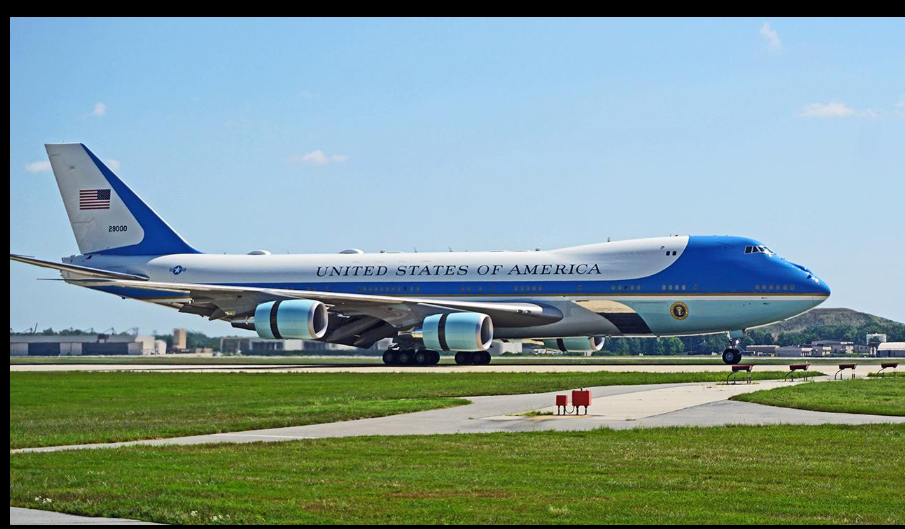
The U.S. Air Force expects Boeing to power on the first new Air Force One by the end of 2026, followed by its first flight in 2027. The planned power-on is the VC-25B program’s next concrete integration milestone: the point at which years of installation work begin giving way to staged checks of the aircraft’s electrical distribution and connected systems.
Boeing is completing electrical work and final structural work on the first converted 747-8 while still targeting first delivery in 2028, according to a September program update. That sequence power-on, ground testing, first flight and then further testing provides the clearest public measure yet of whether the heavily delayed conversion is moving from construction into aircraft-level verification.
Power-on will test more than installed hardware
Power-on sounds simple, but it carries unusual weight in a conversion this extensive. The two aircraft began as commercial Boeing 747-8 airliners and are being rebuilt with secure communications, classified mission equipment, presidential interiors, new electrical wiring, defensive capabilities and other custom modifications.
Those additions must function as an integrated aircraft rather than as separate equipment packages. Initial power application allows engineering teams to check electrical buses, distribution paths and installed equipment in controlled stages. It can reveal discrepancies that remain difficult to identify while wiring and hardware are inspected only as individual components.
This does not mean every mission system will be switched on simultaneously or that power-on proves the aircraft is ready to fly. It means Boeing can begin collecting aircraft-level evidence that installed systems receive and distribute power as intended. Any discrepancies discovered must be documented, corrected and retested before later ground and flight-test activities can close the associated requirements.
The milestone also tests the consequences of design maturity. Delays in completing the presidential interior have affected wiring layouts, structural modifications and installation sequencing. When designs close late, downstream teams have less freedom to route wiring, install equipment and complete inspections without disturbing finished work. Boeing has added electricians as it pushes toward power-on, but staffing alone cannot eliminate the need to verify each change against the completed configuration.
First flight is progress, not delivery
A 2027 first flight would provide a second, more visible marker. It would move the aircraft into testing under actual flight loads and operating conditions, but it would not by itself guarantee delivery in 2028. The first flight begins another verification phase rather than ending the conversion.
Certification and acceptance work still have to demonstrate that the modified airframe and its systems meet applicable requirements. The challenge is broader than proving that a 747-8 can fly: the base aircraft is established, but the presidential conversion introduces extensive structural, electrical and mission-equipment changes that must be evaluated in their final arrangement.
Security requirements add another constraint. Sensitive equipment and secure communications cannot be treated like ordinary airline cabin modifications, yet they still share space, electrical power and installation schedules with the rest of the aircraft. That creates an integration problem in which access controls, specialized testing and configuration management can limit how quickly parallel work proceeds. The operational requirement is therefore purchased with added engineering and certification time.
There is a sustainment dimension as well. The Air Force must prepare to operate, maintain and train around the 747-8-based presidential aircraft before placing it into service. Receiving a completed jet is not the same as having a fully integrated operational fleet, particularly for an aircraft with a unique mission and support structure.
Structural repairs are no longer the main schedule signal
The approximately 300 corrosion-associated microscopic cracks identified in fuselage stringers on each aircraft remain part of the workload. Boeing has been replacing affected components under Federal Aviation Administration procedures used for the wider 747-8 fleet. In the reported update, 21 stringers on the first aircraft still required repair or installation work, while 104 identified components had been replaced on the second.
The Air Force considered that repair effort manageable within the revised schedule. Supplier and certification constraints may be harder to contain. Passenger windows and cockpit windshields have presented compliance concerns, while certification remained outstanding for a commercial spare-windshield design. Officials reported that the window issue was trending toward a solution, but it remains an example of how a comparatively small component can hold up an aircraft whose larger structures are nearly complete.
The public-cost record makes the new test timetable consequential. Delivery has moved from an original December 2024 target to mid-2028. Boeing has reported about $3.13 billion in cumulative program losses under the 2018 fixed-price contract, including a $280 million charge announced in July 2026 for added engineering, quality-assurance and certification spending. Boeing generally bears expenses above the contract value, but the government still faces the operational consequence of waiting years longer for the replacement fleet.
Power-on should now provide the first substantial indication of whether the completed electrical and structural work behaves as one aircraft. The sharper test comes after that: whether Boeing can resolve findings, complete certification and move from a 2027 first flight to delivery in 2028 without another major schedule reset.
| More aerospace and engineering stories, right in your MSN feed. Follow AMI on MSN |
By David Whitaker — Associate editor for AMI’s aerospace and drone systems desk, translating flight systems, aircraft programs, spaceflight, and UAV developments into accessible technical stories.