Lockheed, Pentagon Target 400 High-Altitude Defense Interceptors a Year
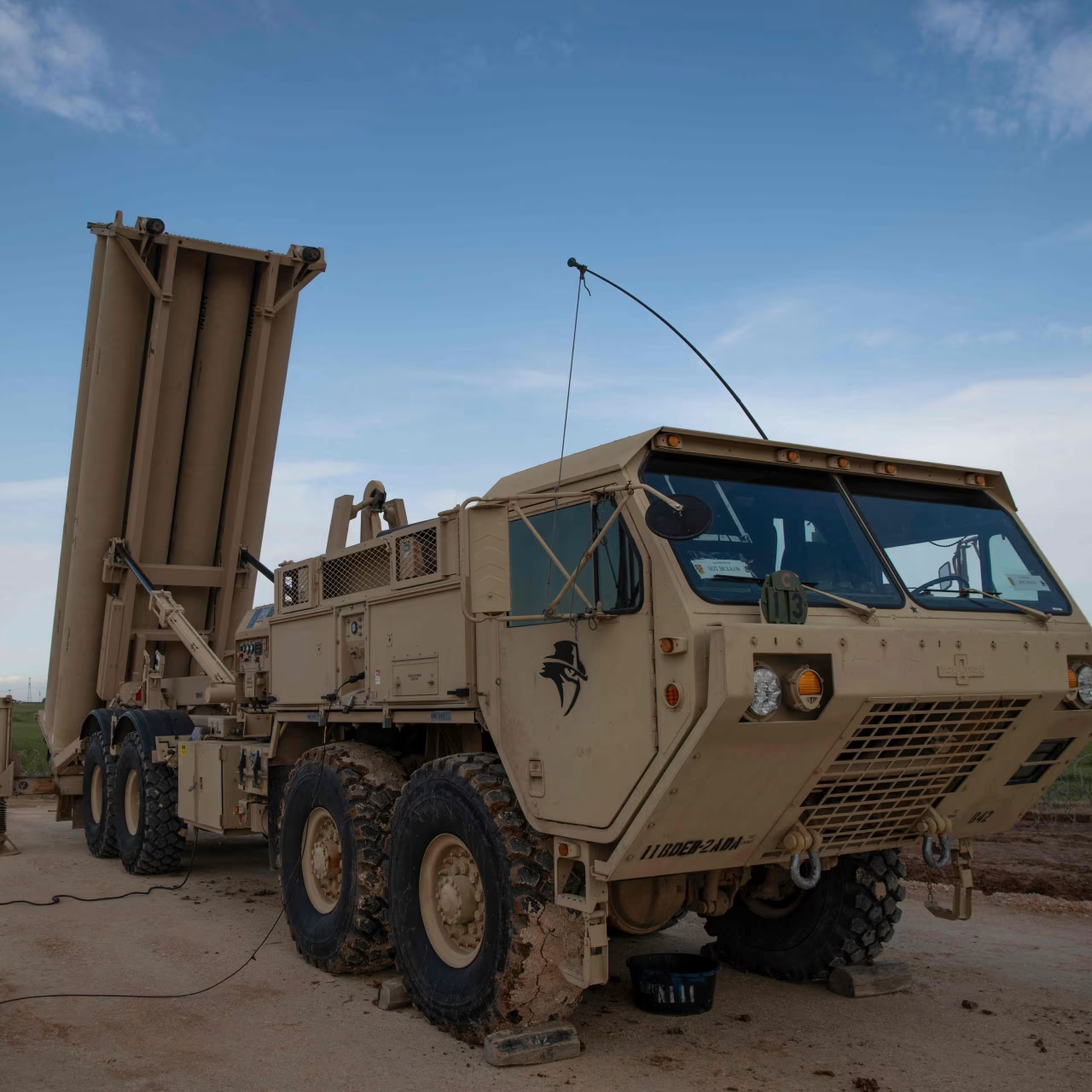
A production target is not the same as production, but the scale of the proposed increase is substantial. Lockheed Martin and the U.S. Department of War have signed a framework agreement intended to raise annual production capacity for Terminal High Altitude Area Defense, or THAAD, interceptors from 96 to 400. That would represent slightly more than a fourfold increase in the number the industrial system is configured to build each year.

Lockheed also broke ground on a Munitions Acceleration Center in Camden, Arkansas, designed to support THAAD, Patriot Advanced Capability-3 and other production through advanced manufacturing, robotics and digital technology. Neither the framework nor the groundbreaking, however, equals congressional appropriations, finalized production contracts, achieved factory output or delivered interceptors. Those distinctions determine whether the announced capacity becomes usable inventory.
The target is capacity, not immediate output
Capacity describes the maximum rate a production system is prepared to support under defined conditions. Output is what the line actually completes, tests and accepts over a given period. Deliveries come later, after the government’s contractual, quality and acceptance requirements are met. Moving the THAAD line from a nominal capacity of 96 to 400 interceptors per year therefore requires more than additional floor space.
The planned Camden center can provide infrastructure and prepare workers, but the broader production system must also have sufficient material, components, qualified suppliers, test resources and sustained demand. Lockheed says the center will support workforce preparation and use robotics and digital manufacturing. Those tools can improve repeatability and workflow, but no completion date, production-ramp schedule or delivery schedule for the 400-interceptor target was provided.
The framework-agreement structure addresses one side of the industrial problem: manufacturers are more likely to invest in facilities and people when the government communicates durable demand. It does not settle the funding side. Analysis from the Center for Strategic and International Studies notes that these agreements still need to be followed by congressional appropriations, company capital spending and contracts between the Pentagon and manufacturers.
That sequence matters to taxpayers as well as defense planners. Funding too little or too briefly can leave new infrastructure underused before the intended rate is reached. Committing to a large production base, meanwhile, creates a longer-term cost obligation involving labor, equipment, supplier qualification and continued orders. The public-policy decision is therefore not simply whether 400 interceptors would be preferable to 96, but whether Congress and the Pentagon will support that rate consistently enough to make the expansion economical and operationally useful.
A factory expansion buys options, not instant inventory
The immediate readiness benefit is limited because newly announced capacity cannot replace interceptors already consumed or allocated. Its value lies in a higher potential replenishment rate once the production system is funded, staffed, qualified and operating. For military planners, that can improve the ability to rebuild inventories and sustain high-altitude missile defense over time. For Lockheed and its suppliers, it offers a clearer basis for capital investment provided definitive orders follow.
The tradeoff extends across the wider munitions portfolio. The Camden center is intended to support both THAAD and Patriot Advanced Capability-3 production, along with other programs. Shared manufacturing technology and workforce development may create efficiencies, but multiple programs drawing on the same industrial expansion also require the government to set priorities through budgets and contracts. A building described as supporting several missile families does not establish how its labor, equipment or output will ultimately be divided.
The agreement follows a Pentagon-confirmed directive giving defense manufacturers 21 days to propose “significantly faster” deliveries or increased production for critical capabilities. Pentagon spokesman Sean Parnell said those proposals would help shape the fiscal 2028 budget submitted to Congress. The short deadline can accelerate planning and expose what industry believes is feasible; it cannot compress factory construction, workforce preparation and appropriations into three weeks.
Reported pressure on U.S. interceptor inventories adds urgency, although specific stockpile estimates remain contested. Claims about Patriot holdings and pressure on THAAD and other missile inventories have been attributed to outside reporting and analysts, while Pentagon officials have disputed broader shortage characterizations. The production agreement is concrete regardless of that disagreement: the parties have identified a desired THAAD capacity of 400 per year and started work on a facility intended to help support it.
The decisive milestones now sit beyond the groundbreaking. Congress must fund the requirement, the Pentagon must convert the framework into enforceable production commitments, and Lockheed’s industrial network must demonstrate the higher rate through accepted output. Until then, 400 interceptors a year remains a factory target not 400 delivered missiles.
| More aerospace and engineering stories, right in your MSN feed. Follow AMI on MSN |
By David Whitaker — Associate editor for AMI’s aerospace and drone systems desk, translating flight systems, aircraft programs, spaceflight, and UAV developments into accessible technical stories.